
Conservation Issues
Conservation issues are a growing concern for most scientists. As humans continue to consume natural resources, many organisms are headed for extinction. Conservation issues include the protection of trees, animals and wetlands.
Learn More
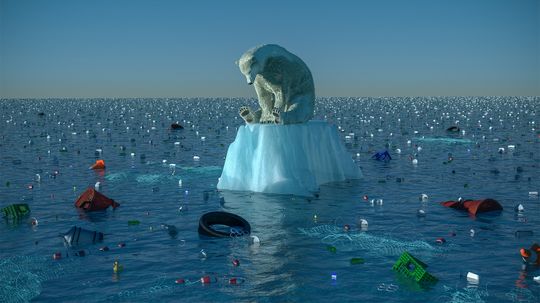
After 2035 it will be extremely unlikely we can stop Earth's temperature from rising enough to kick off a dangerous medley of global disasters.
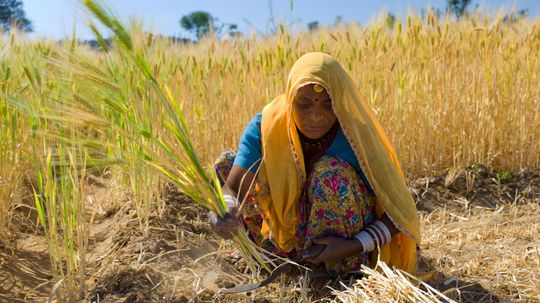
With the world's population expanding and its arable land shrinking, how in the world are we going to have enough food to feed everyone? Here are five ways.
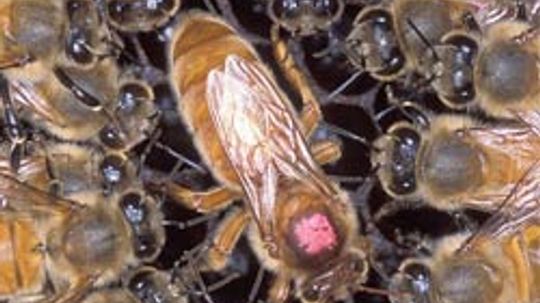
Insects and biodiversity go hand in hand. Without insects our planet would not survive as they are essential to biodiversity. Check out this gallery on the relationship between insects and biodiversity.
Advertisement
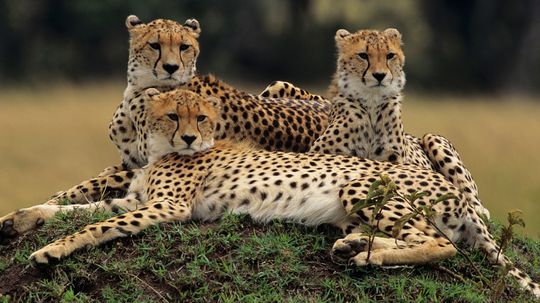
Biodiversity means rainforests and reefs teeming with species right? There's more to it than that though. Genetic diversity has a big role to play, too. Just ask that cheetah cub.
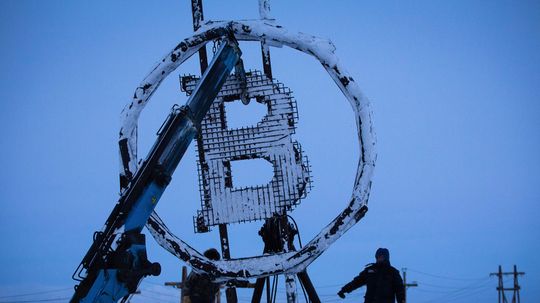
Critics warn that cryptocurrency networks, whose computers use enormous amounts of electricity to verify transactions, could be a factor in warming the planet. The industry is working to change that.
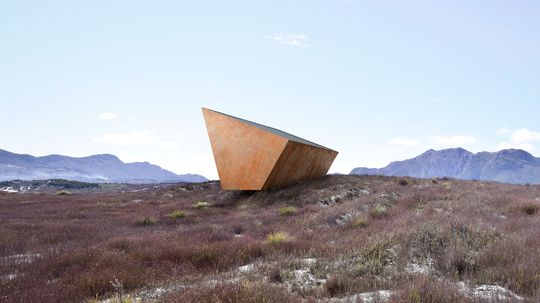
A new project aims to document the possible demise of Planet Earth due to climate change. It's called Earth's Black Box and the creators hope this will be a warning to all Earth-dwellers to take global warming seriously.
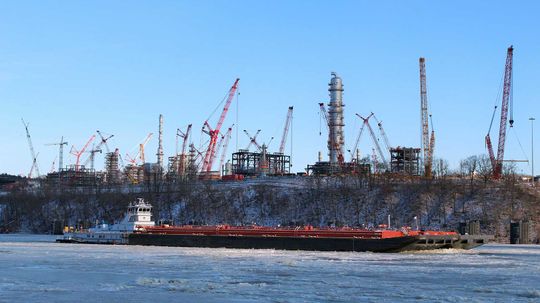
A new report released by Beyond Plastics suggests that plastics will release more greenhouse gas emissions than coal plants in the U.S. by 2030.
Advertisement
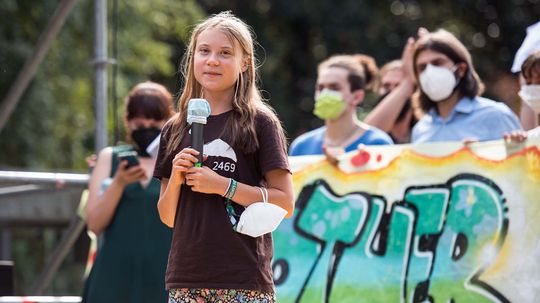
In the lead-up to U.N. Climate Change Conference, the Swedish activist talked about Biden's climate plan, the media's responsibility and what gives her hope.
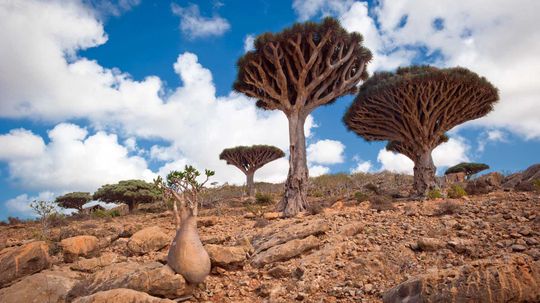
This alien-looking archipelago off the coast of Yemen is teeming with plants and animals. Many species here are threatened or endangered. Can they be saved?
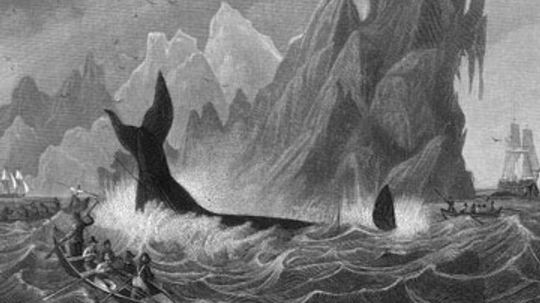
Men have been hunting and killing whales for centuries. Early whalers hunted for survival, but their motivation may have changed once there was money to be made. Whaling for profit has been banned since 1986, but whaling for scientific research is still allowed in certain areas, causing much debate.
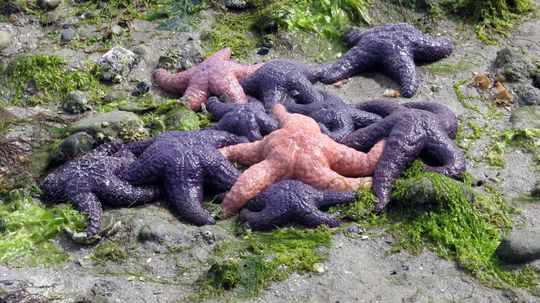
Without its keystone, a Roman aqueduct collapses. Does the same travesty befall an ecosystem when a keystone species goes missing from the ecological equation?
Advertisement
You've probably been spending your summers visiting a barrier island or two and you don't even know it! From Atlantic City to Miami Beach barrier islands are popular vacation spots and amazing ecosystems. Go exploring.
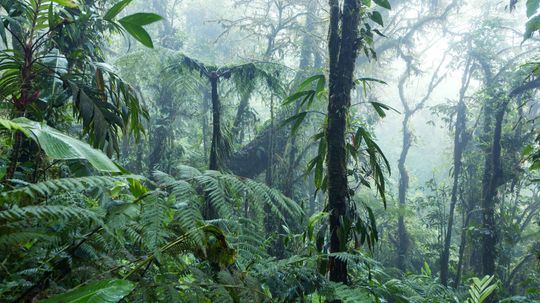
Tropical rainforests are the most diverse ecosystems on Earth, and also the oldest. Today, tropical rainforests cover only 6 percent of the Earth's ground surface, but they are home to over half of the planet's plant and animal species.
By Tom Harris
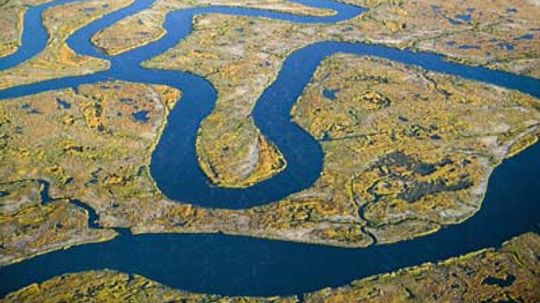
Ever wondered where all that rain goes after a storm? Most of it is absorbed by soil and plants, while watersheds carry the rest into nearby lakes and rivers.
If it takes $1 million a year to save the California condor, how much would it take to save every endangered species? Is it possible, and how can we save species we don't even know exist?
Advertisement
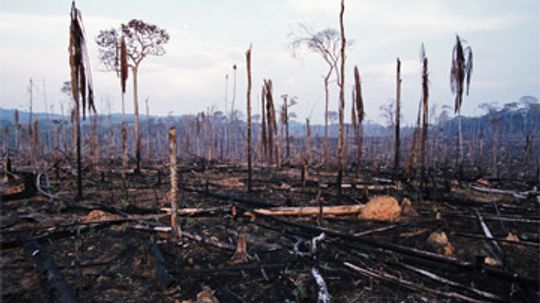
Our planet would be a much different place without its richly diverse ecosystems full of plants, animals and microorganisms. What poses the biggest danger to the millions of species that call Earth home?
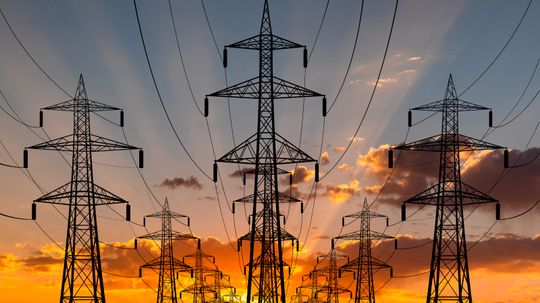
Another series of rolling blackouts are hitting California. Learn why this is happening and how it affects you.
By Kevin Bonsor

Vertical farming is a method of large-scale farming in an urban environment. Learn about the benefits of a vertical farm and vertical farming technology.
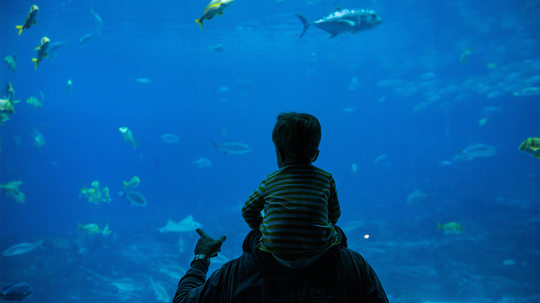
The Georgia Aquarium is the world's largest aquarium. How did they build habitats for all the animals, and what does it take to keep them fed and healthy? Find out about the aquarium and learn about the animals that call it home.
Advertisement
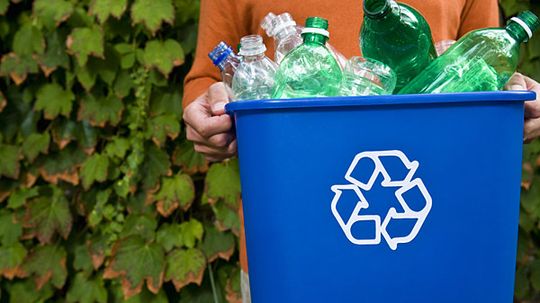
The waste collectors threw your recyclables into one big bin on their truck. How do you know your recyclables are being recycled? And what happens to them next?
By Josh Clark

A growing network of global activists is taking an alternative approach to saving the environment: Pushing to recognize natural ecosystems as having legal rights like humans.

It's been 51 years since the first Earth Day, and while progress has been made in some areas, humanity still has had a major impact on the planet.
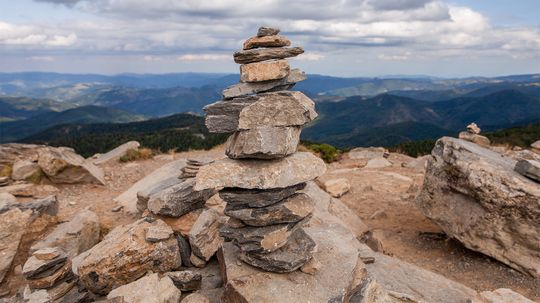
It may seem cool to stack rocks for fun or artistic purposes but moving rocks may inadvertently threaten small mammals and insects and contribute to soil erosion.
Advertisement
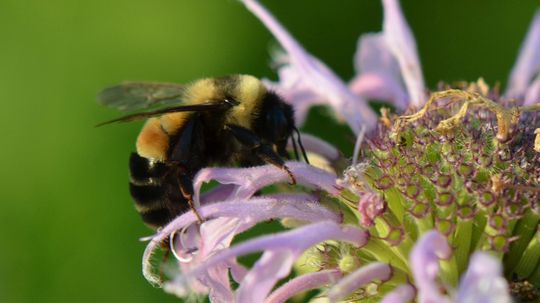
The rusty patched bumblebee (Bombus affinis) is on the verge of extinction and the state of Minnesota is doing something about it.
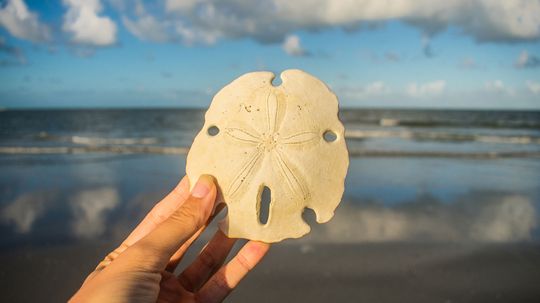
Everyone loves foraging for seashells at the beach, but the true jackpot is finding a perfect unbroken sand dollar. However, taking one home may not be such a good idea.
By Alia Hoyt