
Minerals
Minerals have a broad range so much so that they have their own discipline of study called mineralogy. These essential elements often have complex processes that lead to their formation.



Learn More
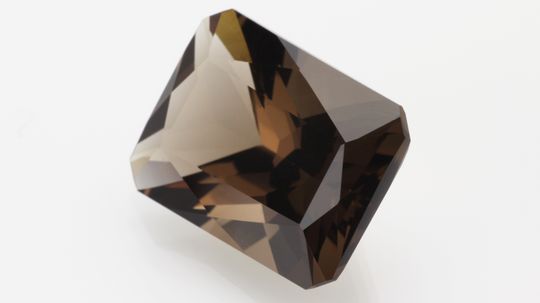
Discover the deep allure of smoky quartz meaning. Explore its grounding properties and metaphysical benefits. Unveil the mystique today.
By HowStuffWorks
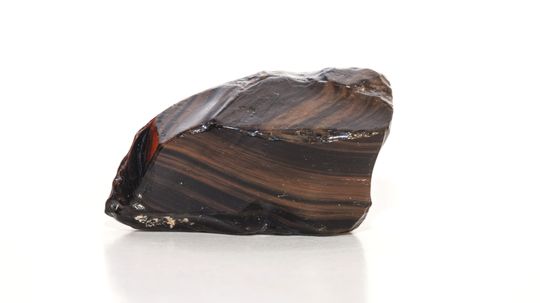
Unveil the profound obsidian meaning. Explore its spiritual, protective, and healing properties. Delve into the mystique today.
By HowStuffWorks
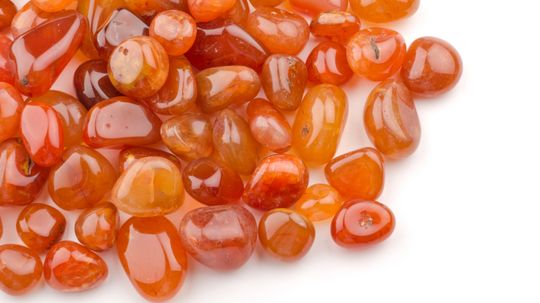
Explore the vibrant carnelian meaning. Uncover its energetic properties and spiritual significance. Embrace the power of carnelian today.
By HowStuffWorks
Advertisement
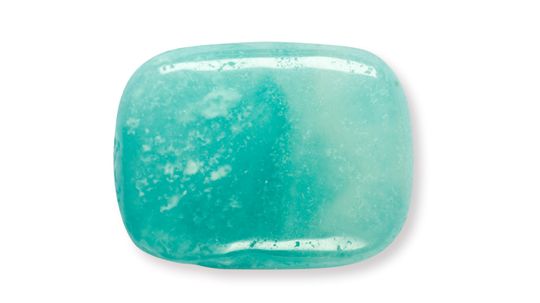
Discover Amazonite meaning: a soothing gemstone of balance. Explore its calming properties and spiritual significance. Dive into Amazonite's world.
By HowStuffWorks
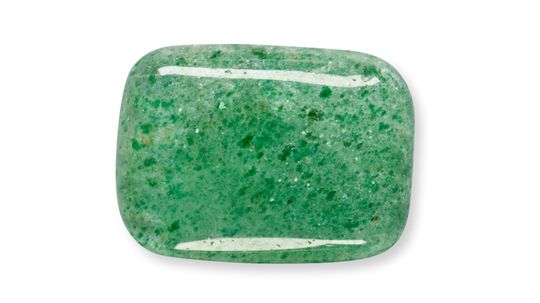
Explore Aventurine meaning: a shimmering gem of luck and opportunity. Discover its healing properties and spiritual significance. Dive in now.
By HowStuffWorks
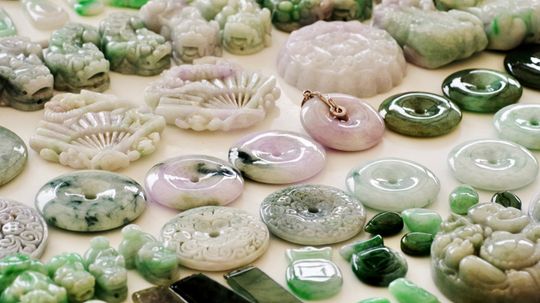
Discover Jade meaning: a revered gem of harmony and wisdom. Uncover its cultural significance and powerful metaphysical properties. Dive in now.
By HowStuffWorks
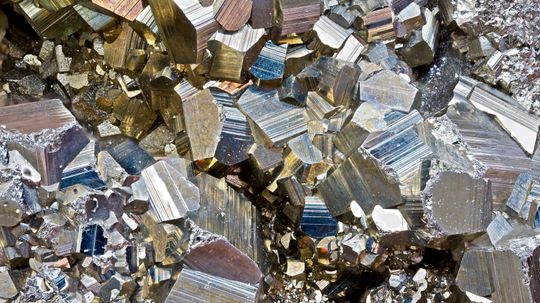
Uncover Pyrite meaning: a glittering symbol of wealth & protection. Explore its properties & spiritual significance. Delve into Pyrite's allure now.
By HowStuffWorks
Advertisement
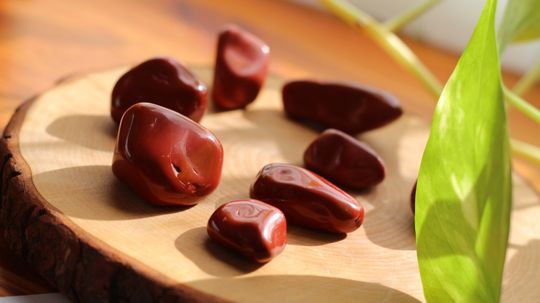
Unveil Red Jasper Crystal Meaning: Grounding energy & vitality. Explore properties & spiritual significance. Dive into Red Jasper's world.
By HowStuffWorks
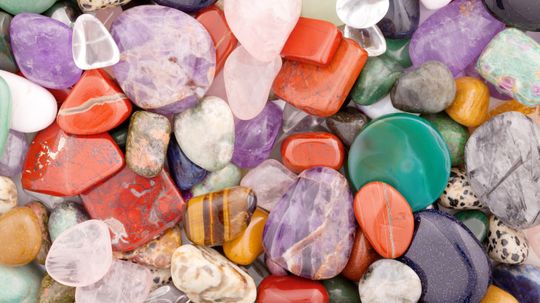
Explore Chakra Crystals: Balancing energy centers for holistic wellness. Discover properties & benefits of crystal healing. Dive in now.
By HowStuffWorks
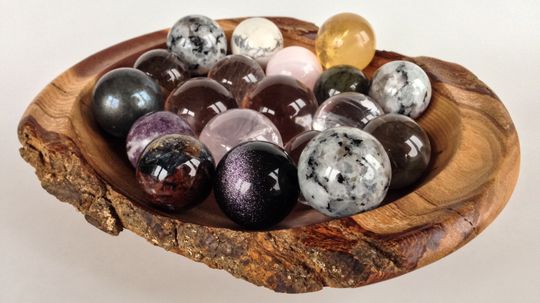
Discover Crystals for Protection: Harness the power of protective stones. Explore their meanings and benefits. Enhance your energy shield today.
By HowStuffWorks
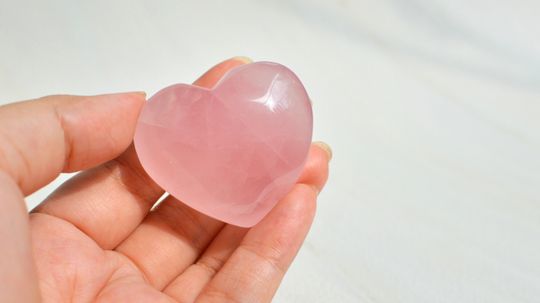
Explore Crystals for Love: Harness the energy of love-attracting stones. Discover meanings and benefits. Enhance your heart's resonance today.
By HowStuffWorks
Advertisement
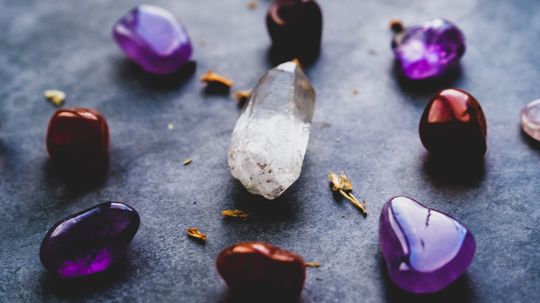
Explore Crystal Grids: Amplify energy with sacred geometric arrangements. Learn about their uses and benefits. Elevate your intentions now.
By HowStuffWorks
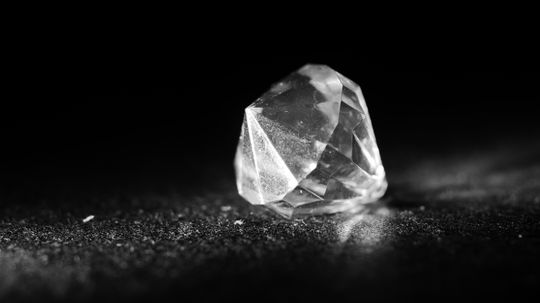
Discover Clear Quartz meaning - a versatile crystal known for clarity & energy. Explore its spiritual uses & properties. Unlock insights now.
By HowStuffWorks
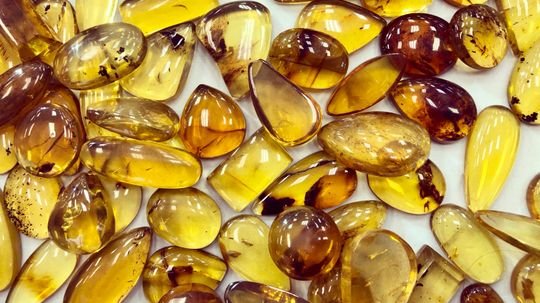
Explore Citrine Meaning - Unveiling Its Power and Significance. Discover the spiritual and healing properties of Citrine crystal.
By HowStuffWorks
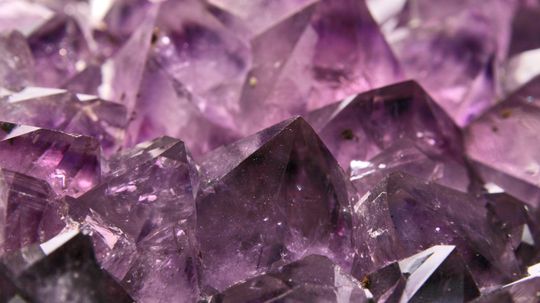
Discover the profound Amethyst meaning: spiritual growth, healing, clarity. Explore its benefits & symbolism. Uncover Amethyst's wonders now.
By HowStuffWorks
Advertisement
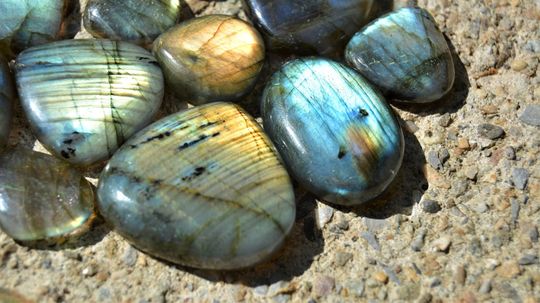
Explore Labradorite Meaning: Mystical properties, spiritual insights, and transformation. Uncover the magic of Labradorite symbolism.
By HowStuffWorks
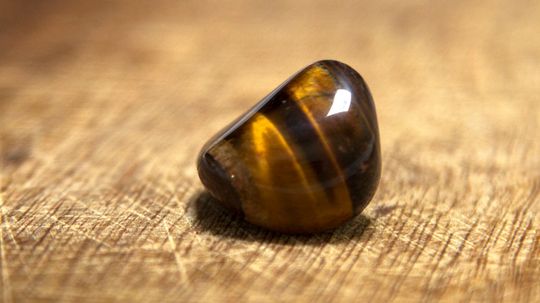
Discover Tigers Eye meaning: Courage, protection, and insight. Unveil the power of Tigers Eye symbolism. Explore its benefits now.
By HowStuffWorks
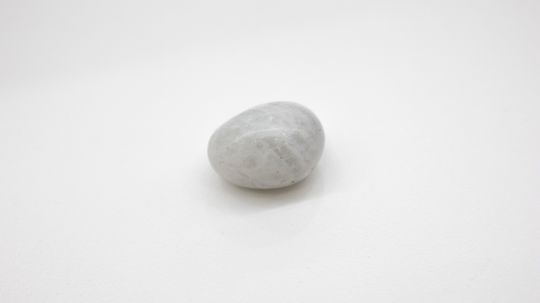
Unlock Moonstone Meaning: Intuition, cycles, and emotional balance. Delve into Moonstone symbolism. Discover its profound significance.
By HowStuffWorks
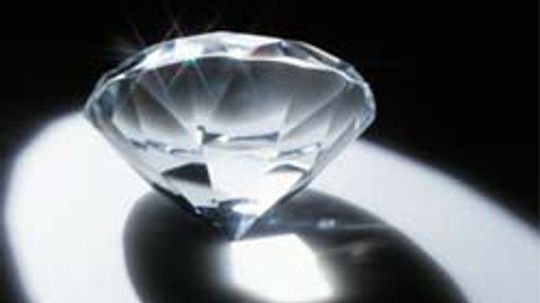
Diamonds are some of the most brilliant and expensive natural features Earth has to offer. This collection of images displays diamonds in all their uncut and polished shapes and sizes. Obligatory pictures of very large diamonds are included of course.
Advertisement
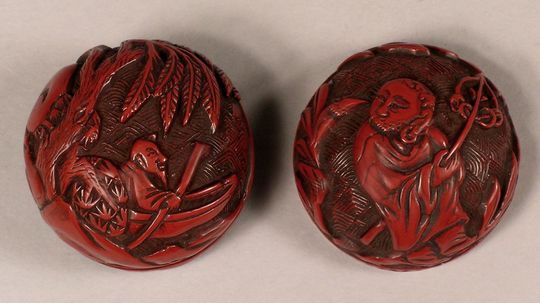
Cinnabar's bright-red pigment has been used in jewelry, pottery and makeup for millennia. But cinnabar is also the primary ore for mercury, making it a dangerous mineral if the particles are inhaled.
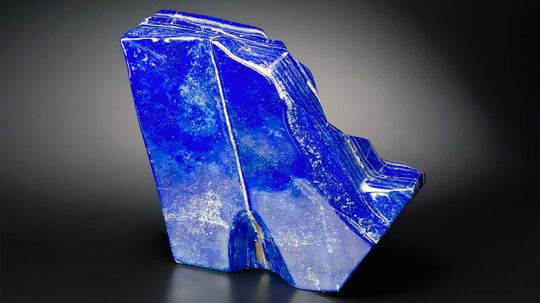
This ancient rock adorns King Tut's coffin and the Sistine Chapel. And at one time it was more precious than gold. What is it about this deep blue rock that has drawn us in for centuries?
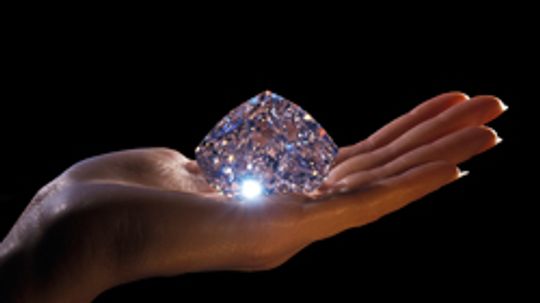
Diamonds are beautiful and popular - but not everyone can afford these gems. While man-made versions are less expensive, most lack the luster and brilliance of the real thing, except moissanite. See how it compares!
By Melissa Russell-Ausley
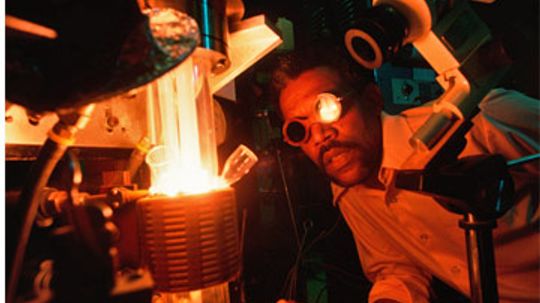
From the Hope diamond to the shiny bits in instant coffee, crystals have always held the power to fascinate us humans. Are they more than just a bunch of pretty facets?
Advertisement
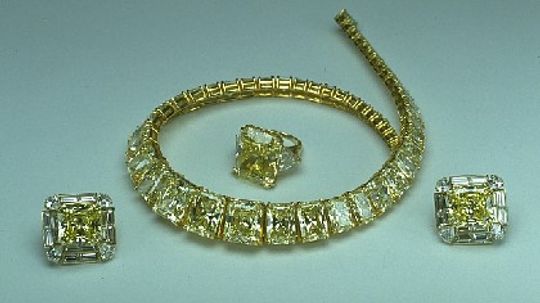
Diamond engagement rings. Diamond anniversary bands. Diamond earrings and necklaces. And now, the right-hand diamond ring! The four Cs -- cut, clarity, carat and color. Find out what the fuss is all about.
By Kevin Bonsor
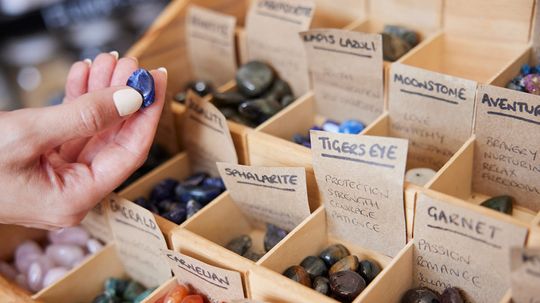
Curious about healing crystals and their meanings? Here's the lowdown on 12 of the most popular stones for wellbeing.