You might be extremely vigilant when it comes to preventing fleas, but your cats and dogs can still can become infested with these small wingless insects at numerous places. The most common include high-contact areas like your own backyard — courtesy of squirrels, deer, rabbits and other wild animals — as well as dog parks, the groomer or doggy daycare facilities. Even your bedding, rugs upholstery and furnishings can be prime breeding grounds.
Essentially freeloaders that live on other creatures, these parasites exist by consuming blood from their hosts, which typically includes dogs and cats. Fleas can live for anywhere from 13 days up to a year, and during that time, they can produce millions of offspring. Although there are many species of fleas, the one that most often affects both dogs and cats in North America is the cat flea (Ctenocephalides felis).
Advertisement
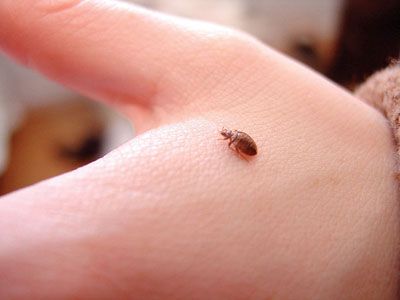
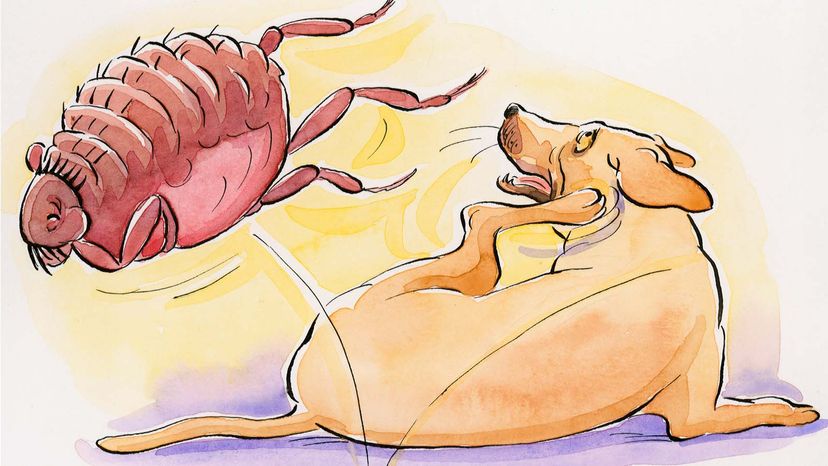
You probably will first spot the effects of fleas when your pet repeatedly scratches, licks and chews, and you occasionally might even see the tiny brown insects moving around on your animal's head, abdomen and base of the tail.
Although newly emerged fleas need to find food within a few days, adults can go for a couple of months without a meal. Flea pupae also can remain in their cocoons for up to a year, waiting to sense the body heat and vibrations that signal the presence of nearby hosts. The ability to live without food is just one of a flea's many adaptations, making it easy for them to move around on their hosts, feed on blood, reproduce and survive when food is scarce. Here, we'll examine how these adaptations make it harder to kill fleas, explore how to keep these pests from invading your home and your pets, and suggest ways to get rid of an infestation if it does happen.