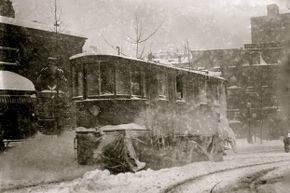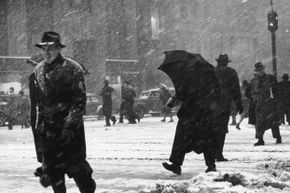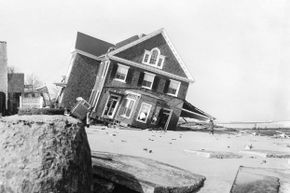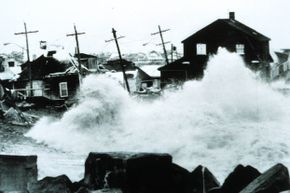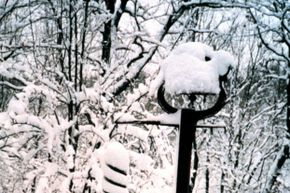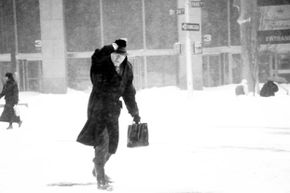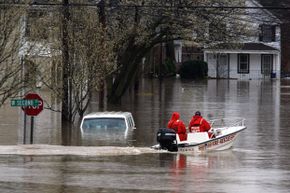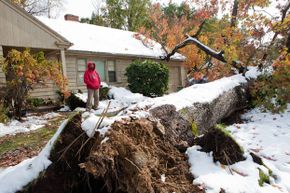
Most people can spot severe weather: gusty winds, accumulating snow, driving rain. Aside from these obvious indicators, though, there are a few specific characteristics attributed to nor'easters.
These cyclonic storms prowl the eastern coast of the United States and Canada, bringing with them precipitation propelled by hurricane-force winds coming out of the northeast. In fact, the name "nor'easter" is a directional nod to the origins of the storms' strong winds.
Advertisement
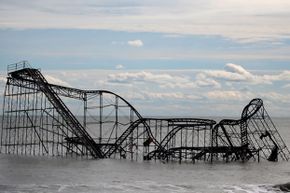
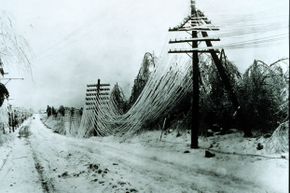
From September through April, the U.S. East Coast is battered by up to 40 nor'easters spanning hundreds -- even thousands -- of miles in diameter. Nor'easters form as cold winds out of the northeast blow counter-clockwise around a low-pressure area. As warm air moves up from the south and east, the storm's growth is fueled by the warm water of the Gulf Stream, pooled adjacent to the East Coast. The temperature difference between the warm air over water and the cold air over land is the area where nor'easters are generated. Once the storms reach the New England region, they often cause widespread flooding, property damage and coastal erosion. While not all nor'easters are severe, all have the potential to become severe as massive rain- or snowfalls, oceanic storm surges and high winds combine [source: National Oceanic and Atmospheric Administration].
While this deadly mix of conditions has occurred many times over, there are a few nor'easters that stand out from the crowd. From loss of life to sheer magnitude, we're taking a closer look at the 10 worst nor'easters of all time, beginning with a blizzard in the 1800s that still has people talking.