It's impossible to imagine life without a computer nowadays. From work to entertainment, these machines have become an integral part of our daily lives. But did you know there are various types of computers, each designed for specific tasks and purposes?
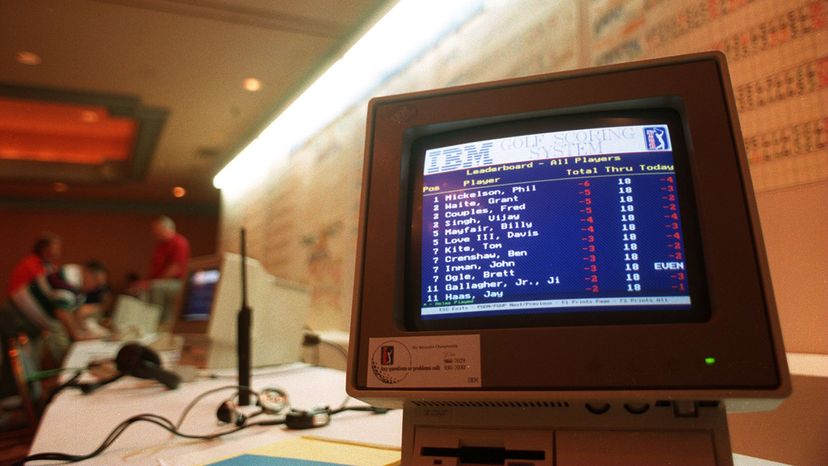
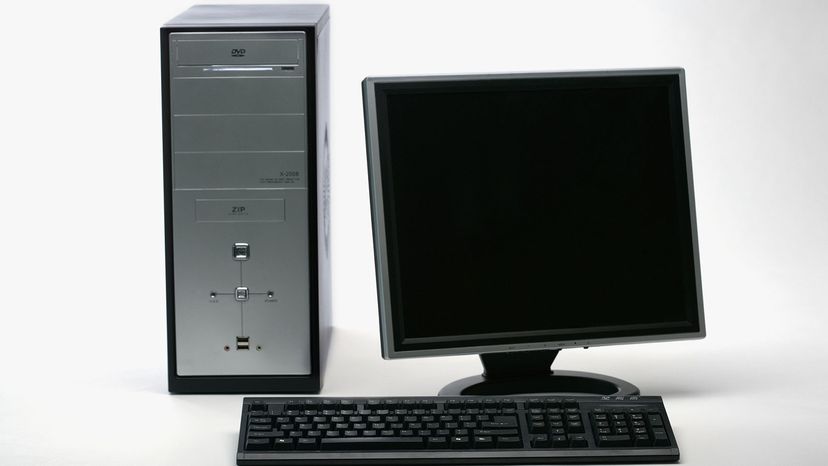
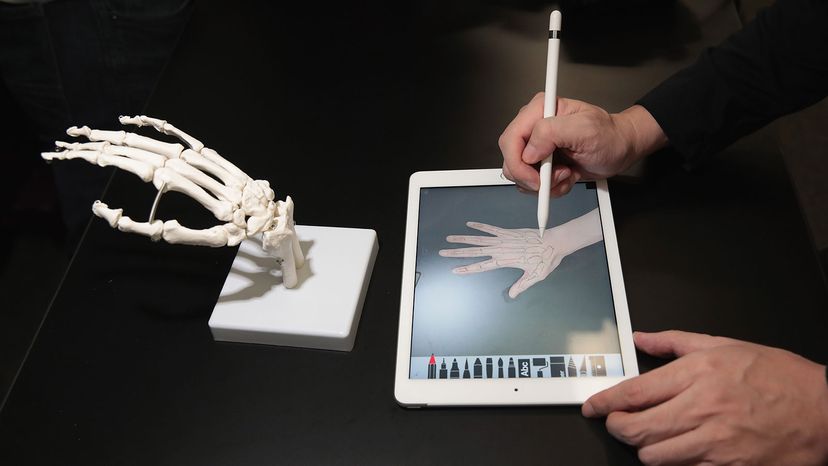
While the term "computer" can apply to virtually any device that has a microprocessor, most people envision a device that receives input through a mouse or keyboard, processes it and displays the result on a screen. The hardware and software within computers have evolved at a circuit-snapping pace in the past few decades — the bulky, desk-crushing machines from the early '80s look nothing like the featherweight touchscreen tablets or laptop computers of today.
Advertisement
Modern computers are not just faster; they're more interconnected, thanks to the internet and various web technologies. The days of dial-up modems and text-based systems are long gone. Today, computers use WiFi and broadband connections to deliver everything from live news streams to high-definition movies and intricate video games.
There are a lot of terms used to describe different types computers. Most of these words imply the size, expected use or capability of the computer. Let's get started with the most obvious one.