
Tanks and Fighting Vehicles
In this section you can learn all about armored transports like tanks and Humvees. Find out what makes them so tough and how they are used in combat situations.
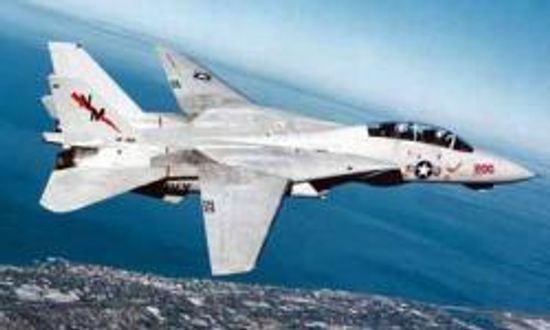
Watch Your Six: Military Jet Pictures
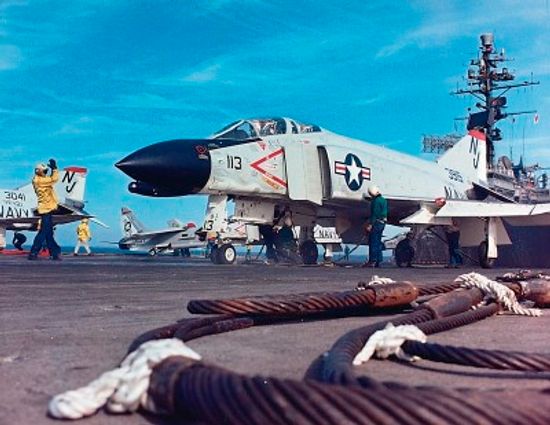
McDonnell Douglas F-4 Phantom II
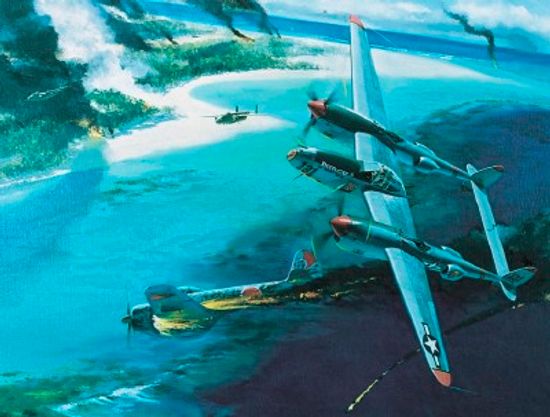
Lockheed P-38 Lightning
Does Army experience help your civilian career?
How NCO Professional Development Ribbons Work
How Army Reconnaissance Jobs Work

How Agent Orange Worked
How Biological and Chemical Warfare Works
How Mustard Gas Works
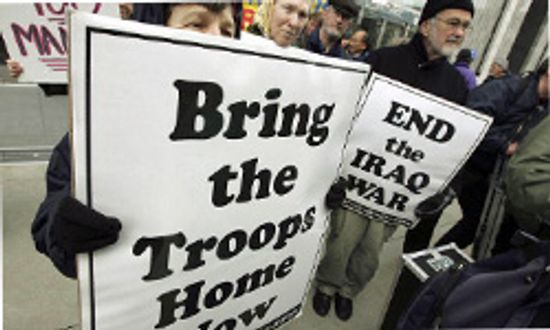
5 Countries That Ditched Their Military Forces
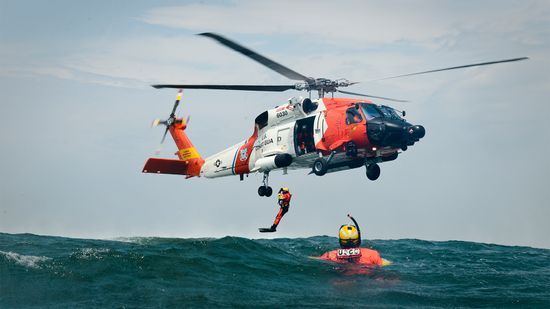
Coast Guard Rescue Swimmers Risk All to Save Lives
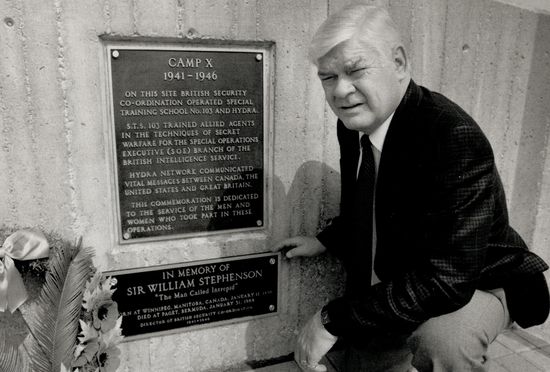
How Camp X Worked
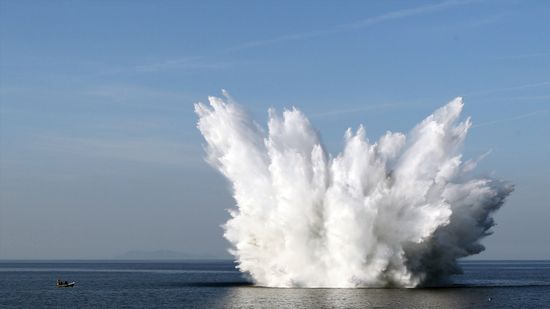
Anatomy of an Underwater Explosion

Can You Really Outrun an Explosion?
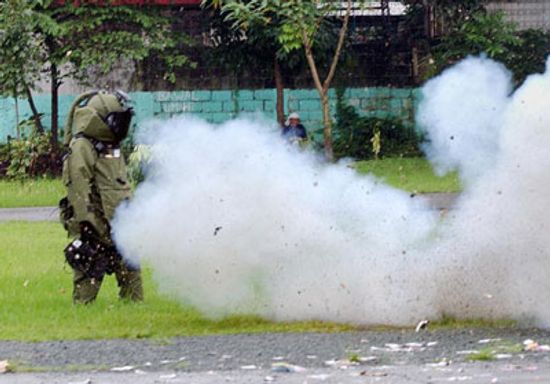
How Blast-resistant Clothing Works
HowStuffWorks Illustrated: Two Legal Gun Modifications
Gun Pictures
What's the world's smallest gun?
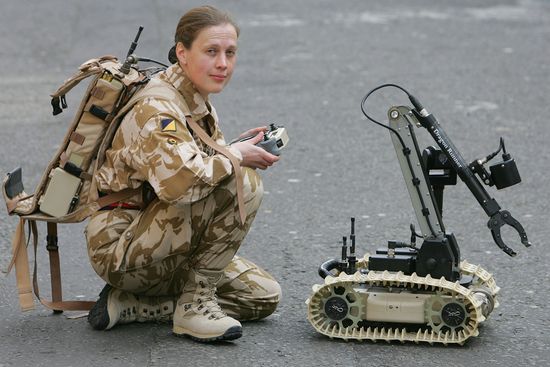
Are robots replacing human soldiers?
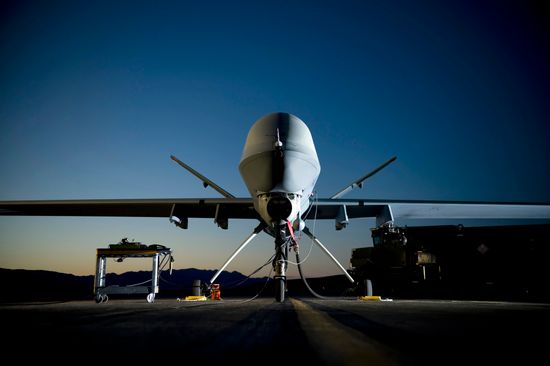
Can drones replace fighter jets?
Do wars drive technological advancement?
Submarine Pictures
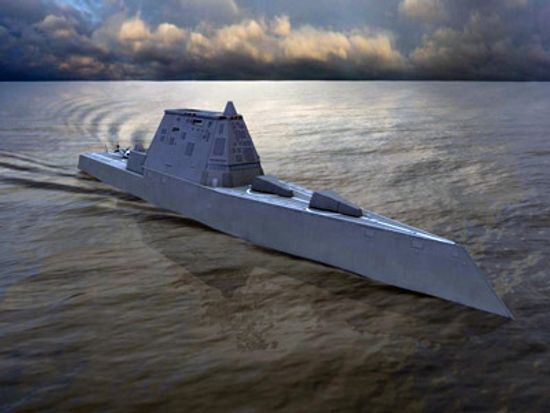
How the Zumwalt Class Destroyer Works

How Aircraft Carriers Work
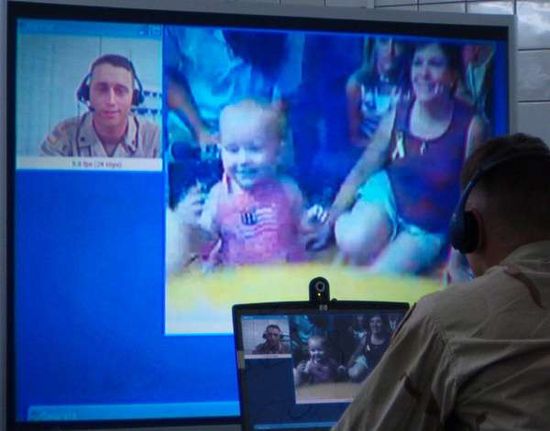
How Military Video Conferencing Works
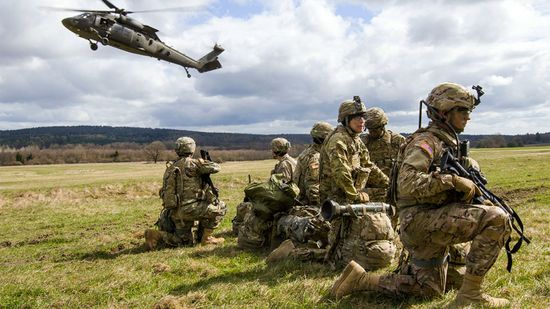
Why a Draft Would Weaken the U.S. Military
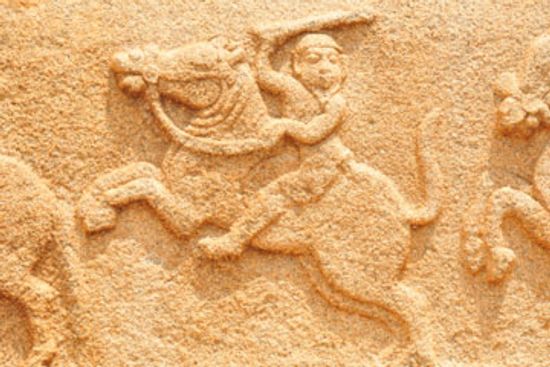
What Was the First War?
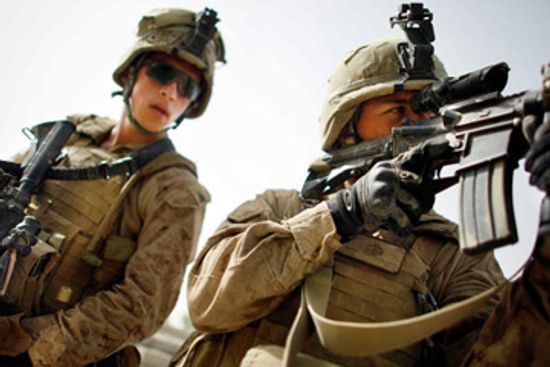
Top 5 Gadgets on the High-tech Soldier

10 Insane Disguises That Actually Worked
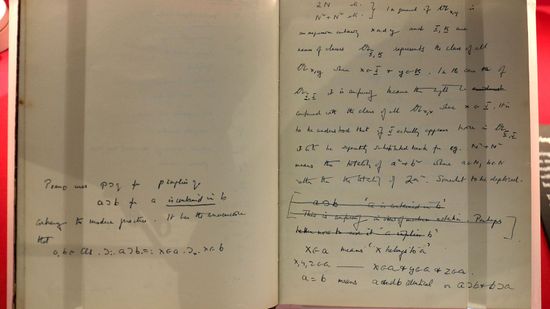
How Code Breakers Work

How Spy Flies Will Work
Learn More
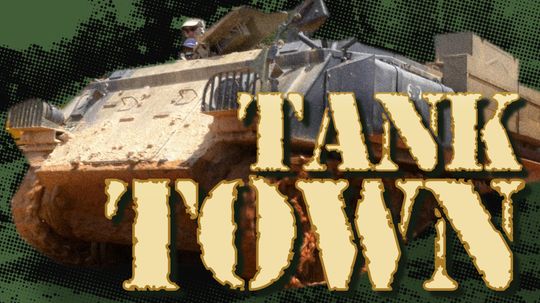
Tank Town USA is just one of a few places in the country where you don't have to be in the military to pay to drive a tank.
Scientists are working on a cloaking method that would render tanks effectively invisible. New metamaterials may bend light, making the tank and its shadow indiscernible.
By Josh Clark
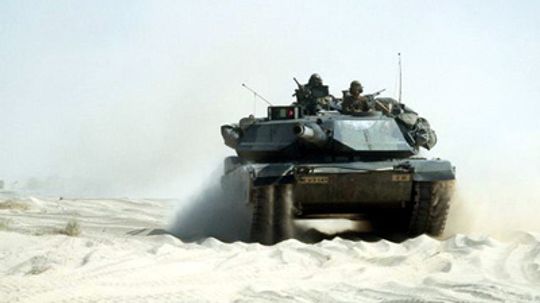
The M1 can withstand an attack from any tank out there -- including another M1. Learn all about the toughest armored land vehicle in the world.
By Tom Harris
Advertisement
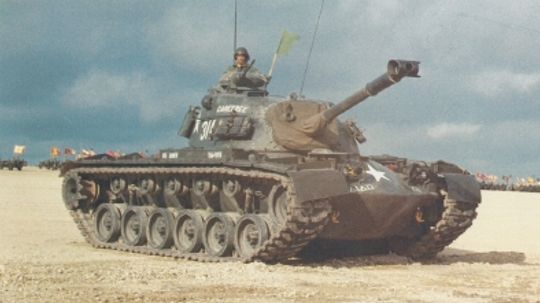
The M-48 General George S. Patton Medium Tank was developed in anticipation of the Cold War and used in the Korean War. All M-48s were equipped with main guns that can fire a wide variety of ammunition types. Explore the M-48 Patton tank.
The T-34 Medium Tank had few amenities but enough power to help the Soviets beat back a Nazi invasion in World War II. This tank was well armored and heavily gunned, which made it the toughest tank the Germans encountered in Russia. Explore the T-34 Medium Tank.
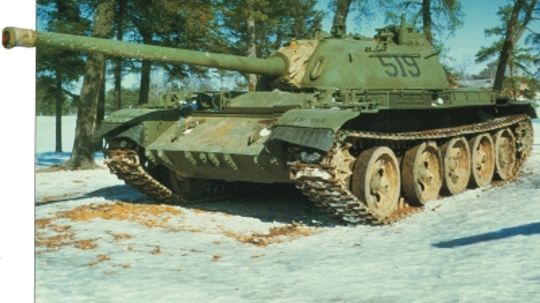
The T-54/T-55 Main Battle Tank series, one of the most popular in Soviet history, is still in use today. These tanks were more heavily gunned than previous versions and were distributed to military forces around the world. Learn about the T-54/T-55 Main Battle Tank.
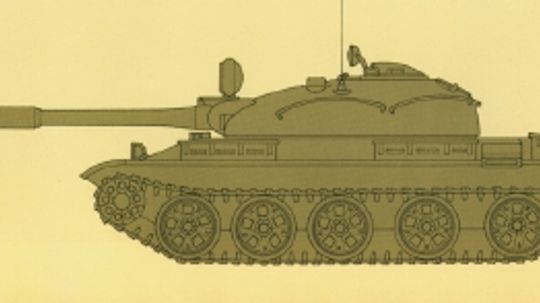
The T-62 Main Battle Tank was the second generation of Soviet MBTs, based on the T-54/T-55. This tank signaled the end of heavy tanks throughout the world. Learn about the T-62 Main Battle Tank at HowStuffWorks.
Advertisement

The T-64 Main Battle Tank was long mistaken for another Soviet tank, the T-72. The main weapon on this tank was capable of firing anywhere from 5 to 8 rounds per minute. Explore the features of the T-64 Main Battle Tank at HowStuffWorks.
The T-80 Main Battle Tank continued the evolution of T-64 and T-72, adding a gas turbine engine. Because of the engine, this particular tank had the capability to reach 40 miles per hour. Explore the T-80 Main Battle Tank at HowStuffWorks.
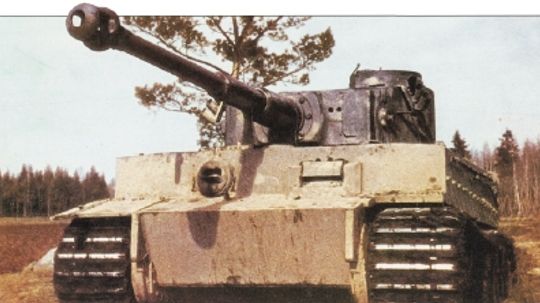
The Panzerkampfwagen VI Tiger I was a formidable battle tank in World War II. This tank featured armor that was over four inces thick that hurt this tank's agility. Learn about the design and history of the Panzerkampfwagen VI Tiger I.
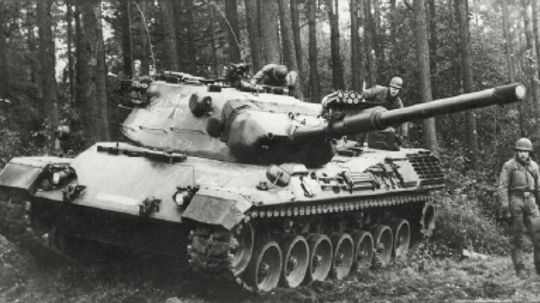
The Leopard 1 Main Battle Tank was post-war Germany's first tank designed and built in West Germany. This tank can be sealed and pressurized for use in biological warfare situations. Learn more about the Leopard 1 Main Battle Tank.
Advertisement
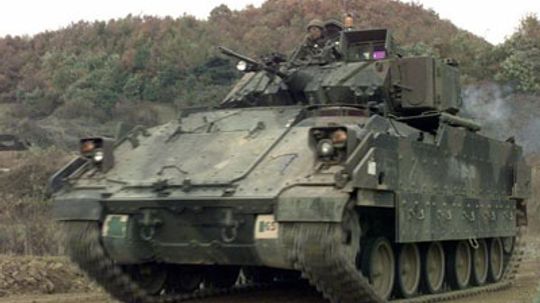
The U.S. military uses the Bradley Fighting Vehicle to scout enemy positions and transport troops into hostile territory. With land and sea capabilities, as well as speed and heavy-duty weapons, it's well-outfitted for the job. Learn all about the Bradley and check out some great action photos.
By Kevin Bonsor
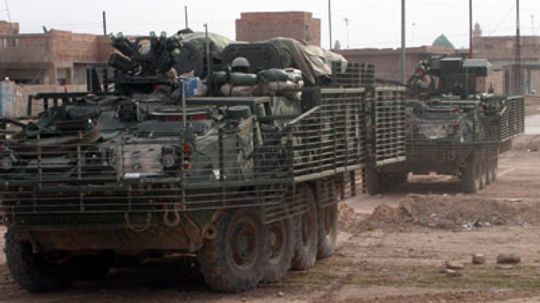
The U.S. Army's Stryker is a lesson in flexibility: There are as many Stryker configurations as there are tasks to complete in today's military. Plus, it's easier to deploy than the mighty M1. Learn all about the Army's ambitious Stryker project: anywhere in the world within 96 hours.
By Dave Coustan
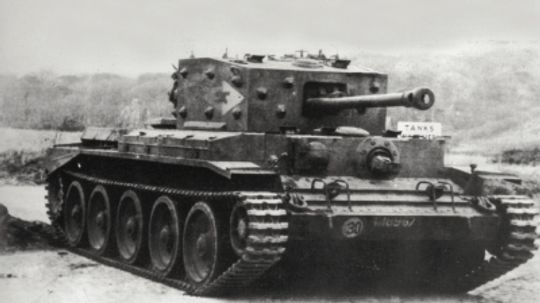
The Cromwell A-27M Infantry Tank was fast and agile but still outmatched by opposition tanks. This tank featured a 57mm barrel that was bored out to accommodate a 75mm round. Learn about Britain's Cromwell A-27M Infantry Tank.
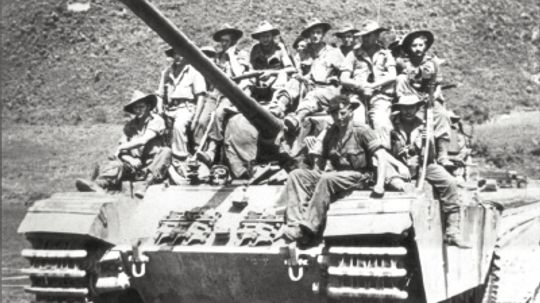
The Centurion Main Battle Tank was heavily armed and used by many countries. This tank was the most heavily armored tank ever produced in the post-war years. Learn the history and design of Britain's Centurion Main Battle Tank.
Advertisement
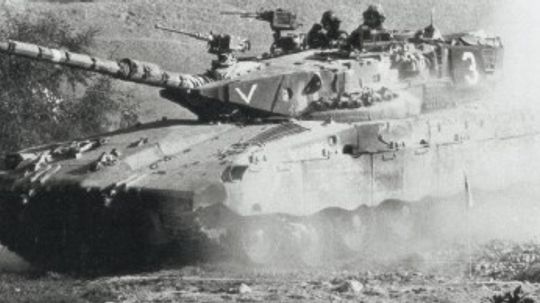
It was not until 1967 that the Israeli government turned its attention to the creation of a main battle tank, the Merkava. Israel and the surrounding area are either desert or rolling hills, which form ideal tank country. Read about the Merkava tank.