
The Solar System
In the Solar System Channel, you can explore the planets and celestial objects around our own sun. Learn about topics such as Mars, Jupiter and the Moon.
Constellation Pictures
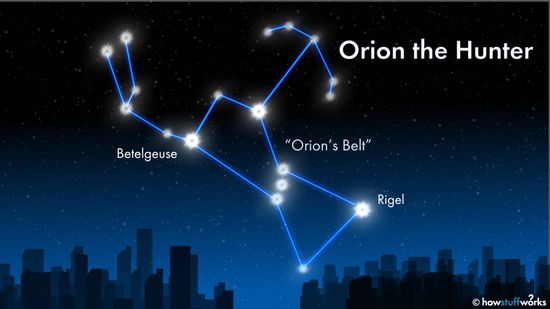
How to Find Orion's Belt in the Night Sky
Radio Telescope Image Gallery
How do I build a telescope at home?
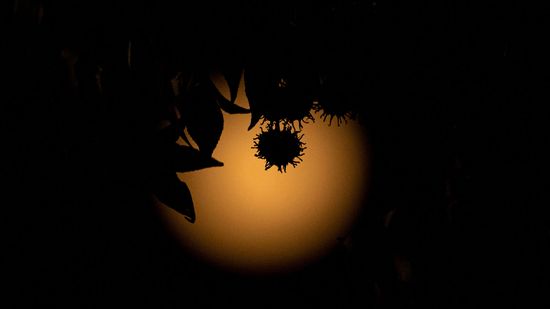
Shooting the Stars as an Astrophotographer
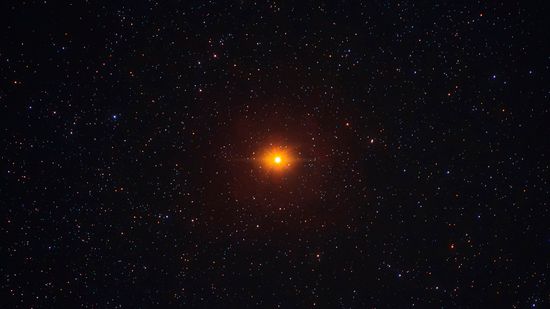
The Largest Star in the Universe Is 1,700x Bigger Than Our Sun
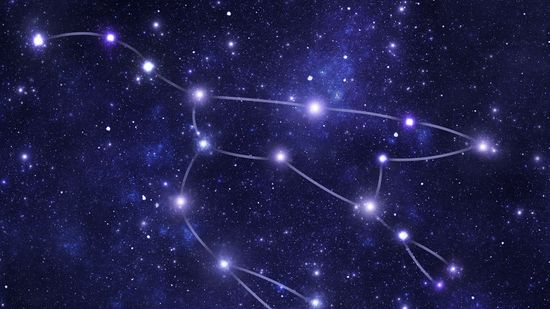
Twinkle, Twinkle: The Ultimate Stars Quiz

White Dwarfs Can Shred Planets to Pieces
Learn More / Page 3
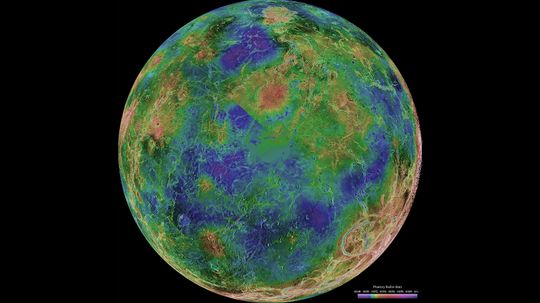
The atmospheric pressure is crushingly extreme on Venus, and lead would melt into a puddle on its surface. But as hellish as this place sounds, it actually has a lot in common with Earth.
By Mark Mancini
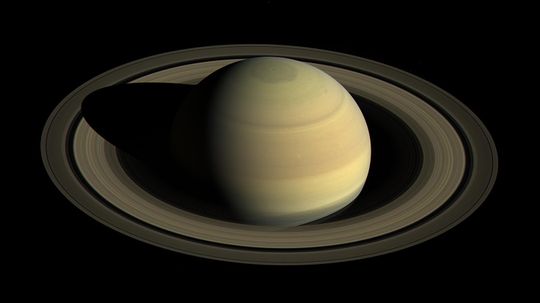
Saturn is the sixth planet from the sun and the second-largest planet in the solar system. This gas giant has more rings and moons than any other planet.
By Mark Mancini
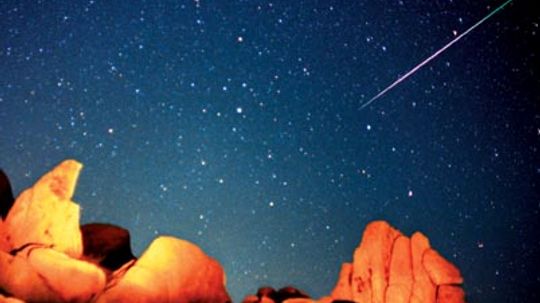
Some of the most interesting objects in our solar system are also the smallest or largest. In addition to the sun, planets, and moons, our solar system has a variety of small objects such as asteroids, comets, stars, meteors, and moons. These have affected what has happened on Earth in many ways.
Advertisement
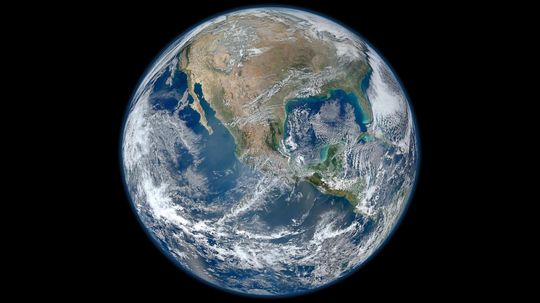
Even though it's tiny compared to the rest of the universe, Earth is a complex planet that, so far, is the only one we know of that sustains life.
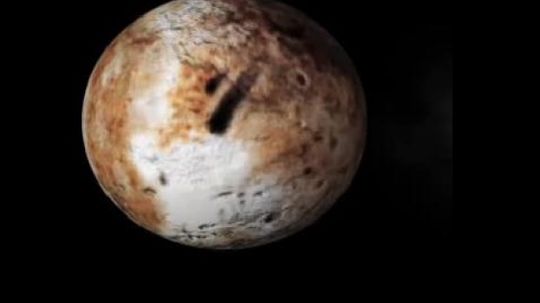
Pluto is relatively round and orbits the Sun. So, why doesn't it qualify as a planet?
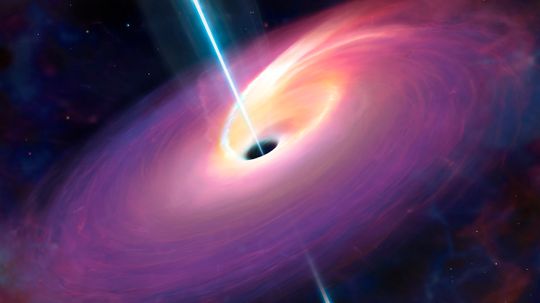
When you think about massive, mysterious cosmic bodies like accretion disks, the water swirling around your bathtub probably isn't the first thing to come to mind. But hey, physics works the same magic on all scales.
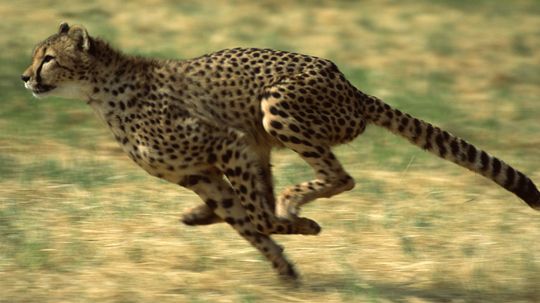
Leash your cheetah, buckle your seatbelt and tell Usain Bolt to take a knee. We're about to power through some of the speediest stuff this universe – both in the real world and in fiction – has to offer.
Advertisement
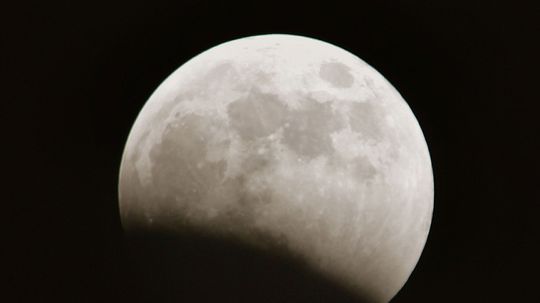
The moon is often the largest object in the sky outside of the sun. What is the moon made of, how did it form -- and why do people blame it for their strange behavior?
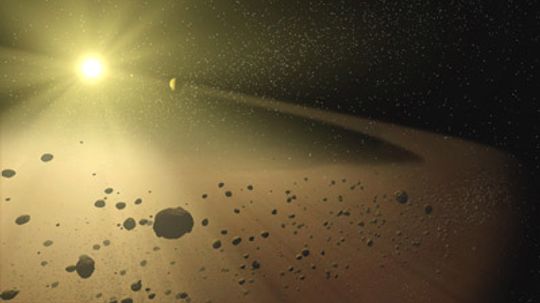
Asteroid belts aren't quite the dense fields of gigantic spinning rocks that you may have seen in a "Star Wars" film, but they're still fascinating. In fact, the main asteroid belt may tell us how our entire solar system came into existence.
By John Fuller
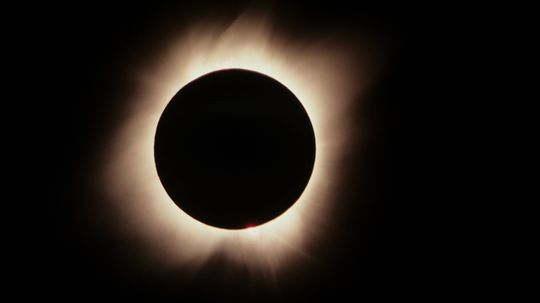
You've probably heard that staring at the sun is bad — even a few seconds can damage your eyes. But what if you looked at a solar eclipse?
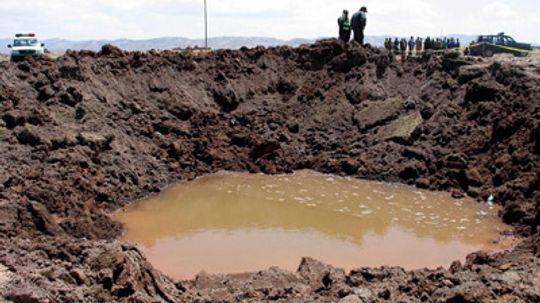
A ball of fire blazed through southern Peru and left a huge crater -- and then villagers started getting sick. Early reports said the groundwater boiled and the air filled with sulfur. What happened?
Advertisement
A lunar land rush is the most likely thing in the world (or, rather, out of it). As private companies gaze spaceward with dollar signs in their eyes, it's time to start settling some questions about space ownership, use and management.
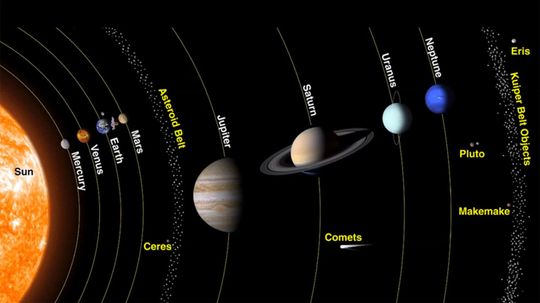
The four Jovian planets are officially designated as gas (and/or ice) giants. Which planets are they and what makes them so unique?
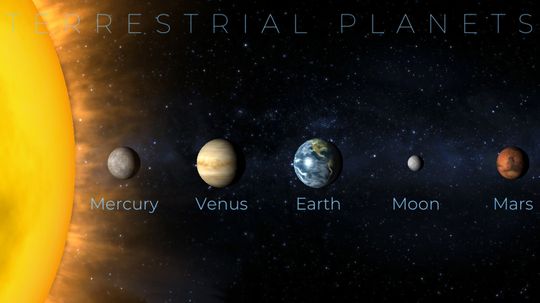
Terrestrial planets include the four closest to our sun, including Mercury, Venus, Earth and Mars. What else makes these celestial bodies terrestrial planets?
By Mitch Ryan
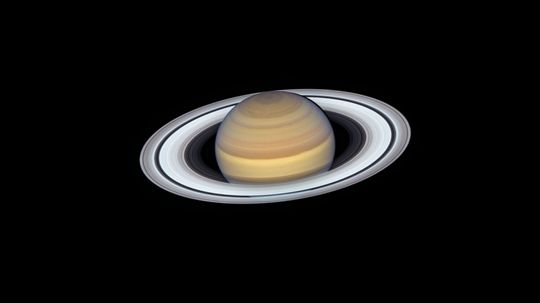
Move over Saturn. There are other planets in the solar system surrounded by ring systems.
By Mitch Ryan
Advertisement
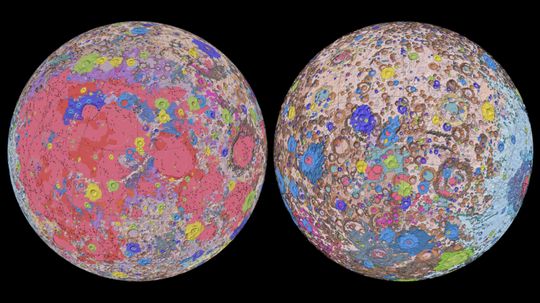
The moon has seen a lot in its 4.5 million years of life, and this detailed geologic map serves as testament.
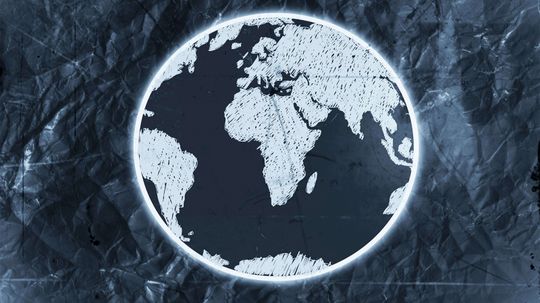
In 1953, CalTech geochemist Clair Patterson came up with an estimate for Earth's age that still holds today.
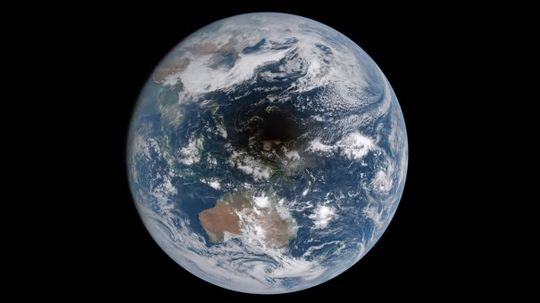
Check out this video of what astronauts in space see as the shadow of the moon crosses our planet.
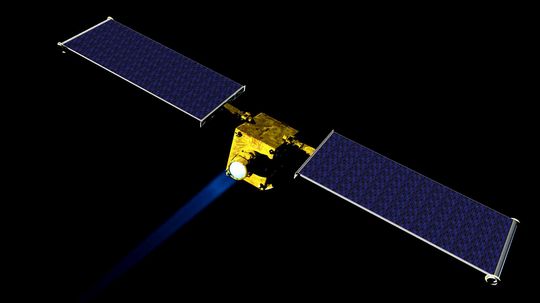
And don't worry. Even if NASA misses, we'll be fine.
Advertisement
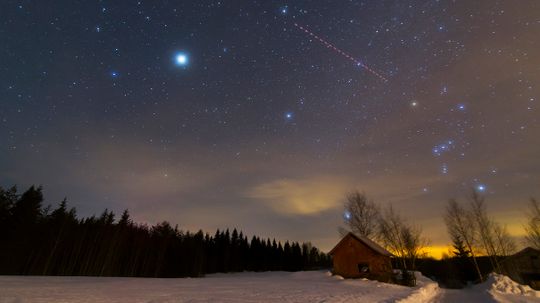
Every autumn, Earth passes through a stream of debris left by Halley's comet, resulting in some beautiful nighttime meteor showers called the Orionids. Here's what to watch for.
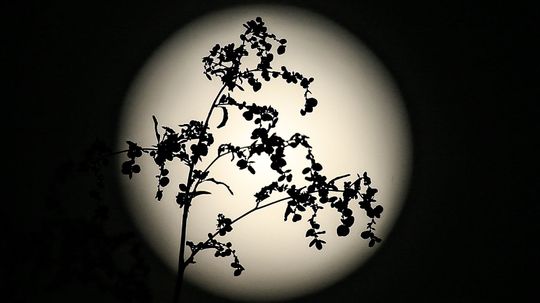
Everyone's heard of the blue moon and the harvest moon, but every other full moon of the year has a name, too. What are their names, and when do these moons occur?
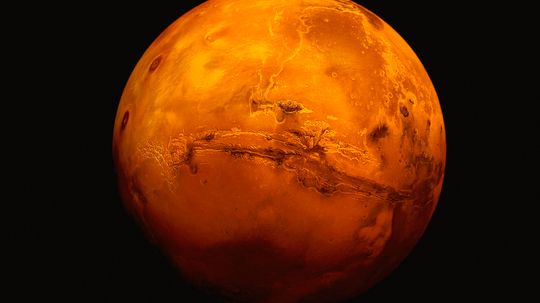
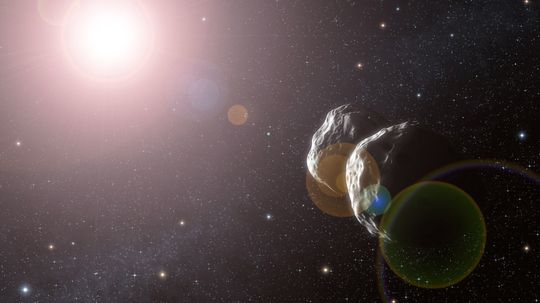
Researchers at the Zwicky Transient Facility have found an asteroid in Earth's orbit. And this one has the shortest year yet.
Advertisement
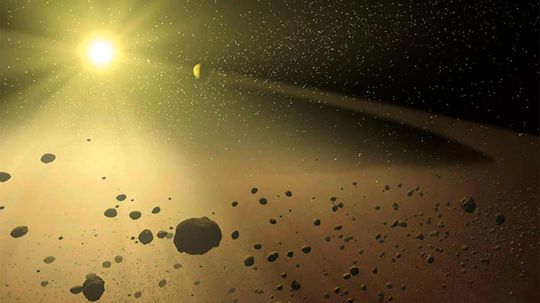
Did you know that a moon can leave its orbit around a large planet and go out on its own?
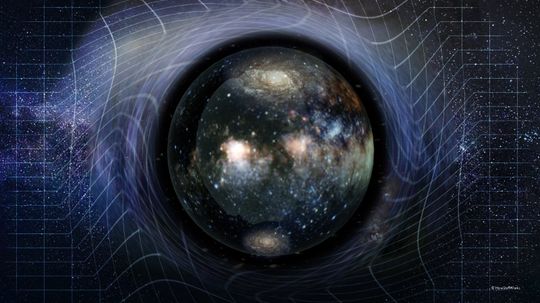
As the search for Planet Nine wears on, and astronomers have yet to get so much as a glimpse of it, researchers are pondering what else the object might be.