
Botany
Botany is a branch of biology focused on the study of plant life. Learn about the science of botany in this section.




Learn More
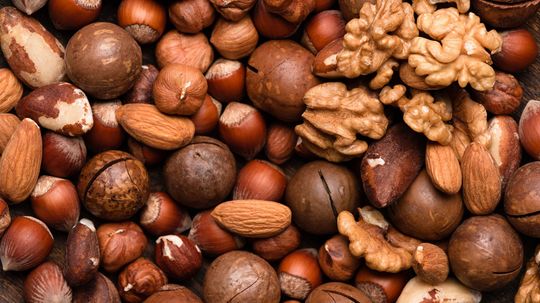
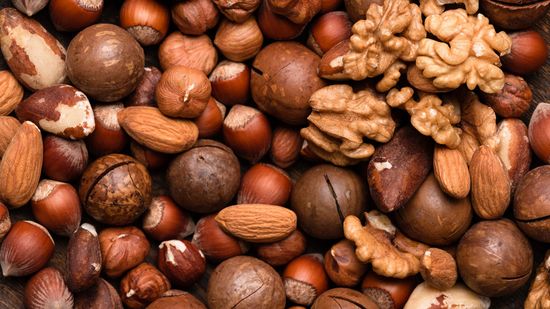
Time to get nutty! How much do you know about all of the different types of nuts out there? Take this quiz and find out!
By Alia Hoyt

Researchers are studying the chemistry behind what makes cats go crazy for catnip. And whether or not the chemical compound could have medicinal benefits for treating diseases like cancer.
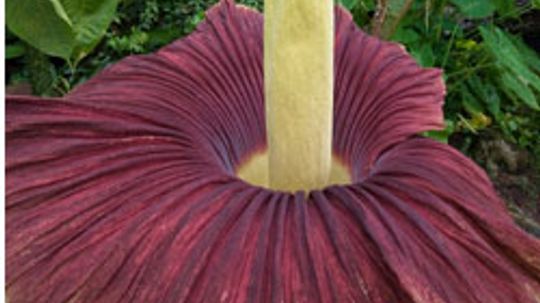
The Titan Arum is also known as the "corpse flower" because of its rotting-flesh scent. The flower rarely blossoms, even in the wild. See pictures of the corpse flower in this gallery.
Advertisement
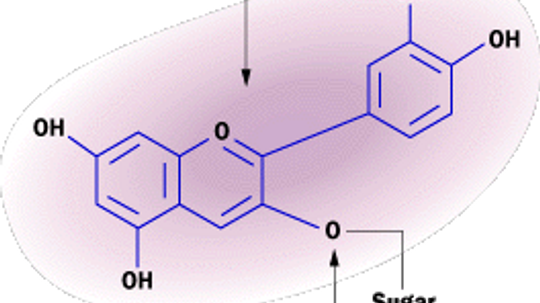
Nature uses color in lots of different ways. Find out why some types of cabbage are purple and what this means.

Urushiol is the active chemical in poison ivy. Learn more about urushiol and how to properly remove poison ivy.
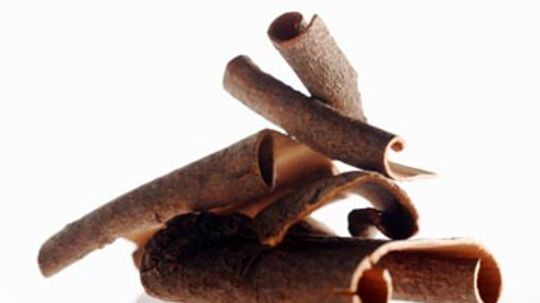
Many people think of cinnamon simply as a condiment that makes sweet treats taste even better, but the spice has had many, diverse uses over time. Could it have some medicinal properties, too?
By Diana Bocco

Ten-tier wedding cakes, bagels slathered with cream cheese and slim, crusty baguettes -- we owe them all to wheat. What's the story behind this ancient, ubiquitous food crop?
By Robert Lamb
Advertisement

Have you ever suspected your neighbor was up to something illegal? He's always home and he gets midnight deliveries. Doesn't he have a job? Maybe he does, just not the kind you think.
By Robert Lamb
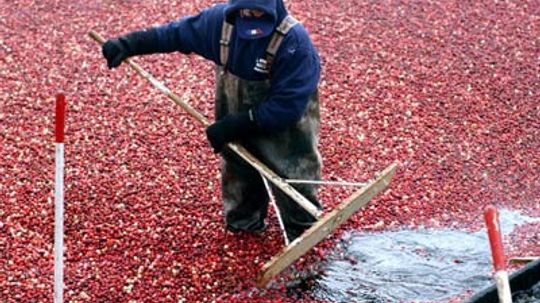
How can something as delicate and delicious as a cranberry thrive in something as filthy as a bog? Blame it on the durability of this most unusual and hardy plant.
By Russel Avery
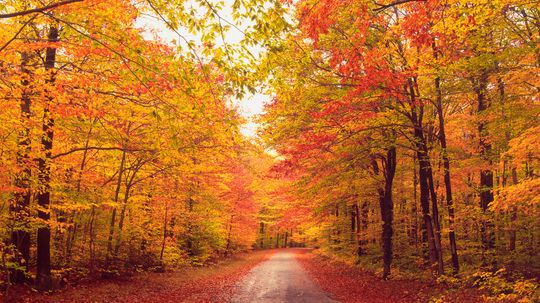
Autumn rolls out its very own red carpet to make a fashionable arrival. So why do falling leaves change colors to vibrant hues of crimson, yellow and orange?
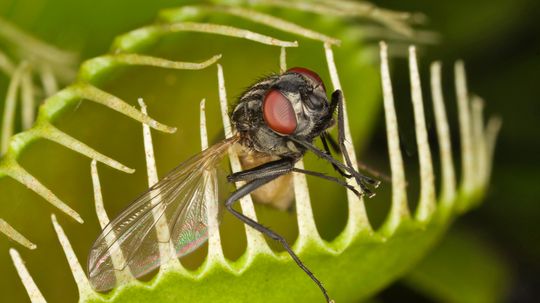
Plants that eat other creatures? It sounds like a genetic experiment gone awry. But there's actually nothing unnatural about it; carnivorous plants have been around for millions of years.
Advertisement
How does hemp work? What do rope and "organic clothes" and drugs have to do with each other?
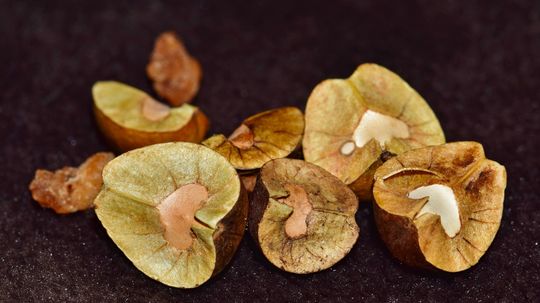
Mexican jumping beans are small, brown beans that seem to have a life of their own as they jump and move around. But what is it that makes them jump?
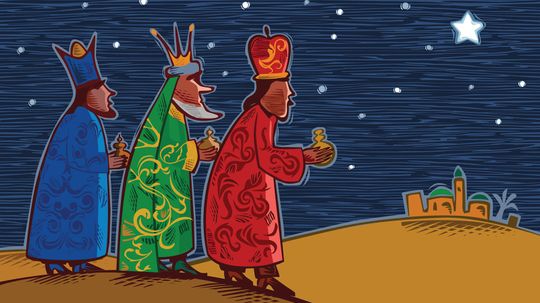
If you've heard of frankincense and myrrh, it's probably because of the biblical account of Jesus' birth. But have you ever wondered what exactly it was the three wise men gifted?
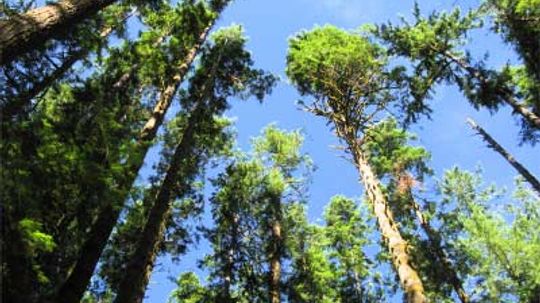
For Jack and his beanstalk, the sky was the limit, but nature's giants hit a point at which they can't grow any taller. What prevents lofty trees like sequoias from soaring any higher?
Advertisement
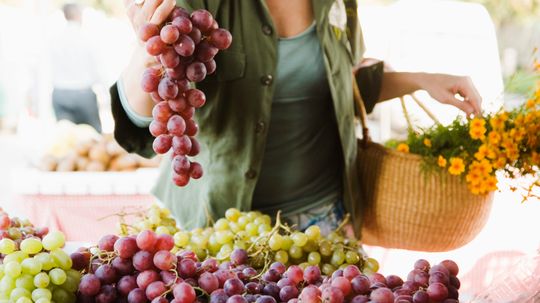
There is a good chance that if you go to the grocery store and buy a bunch of grapes that they will be of the seedless variety. If the grapes are seedless, how are they able to produce new grapes? Find out the answer to that question in this article.

How can the grass on the greens at a golf course be so perfect? What are they doing that's different from a normal lawn? Could my lawn look like this?
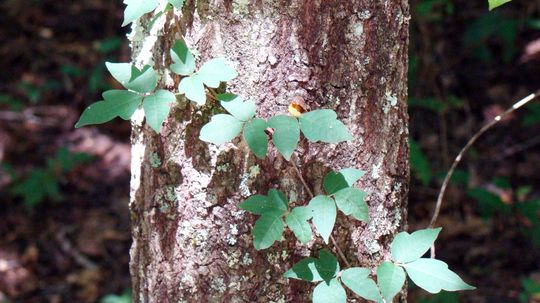
Poison ivy is often very difficult to spot. But if you come into contact with it, you'll soon know by the itchy, blistery rash that forms on your skin. Learn how poison ivy causes that rash, and how to get rid of it.
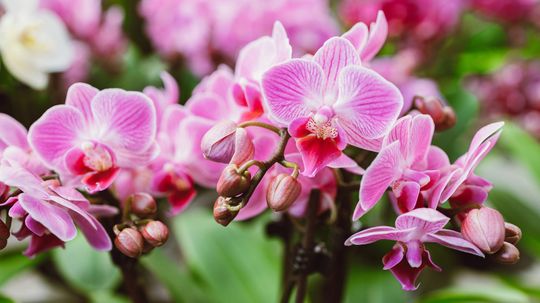
Orchids might be the sexiest flower in the greenhouse. Its very name comes from the Greek word for "testicle!" And its reproduction methods are pretty exotic too.
By Alia Hoyt & Desiree Bowie
Advertisement
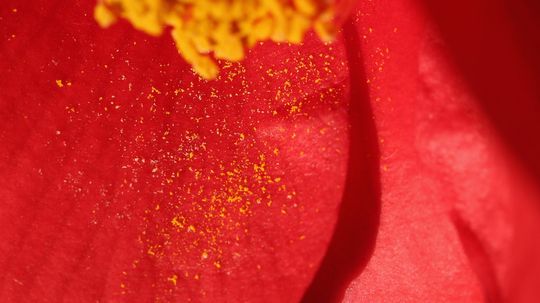
Pollen grains are, in essence, plant sperm. But how do the grains get where they need to go, and what's the advantage of trusting your genetic future to the winds?
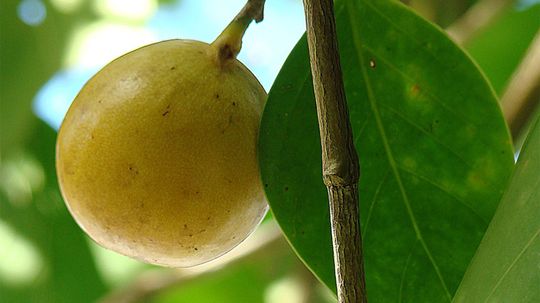
Found along beaches and in the mangrove swamps of tropical climates, the fruit of the manchineel tree was called the 'little apple of death' by Spanish conquistadors.
By Katie Carman
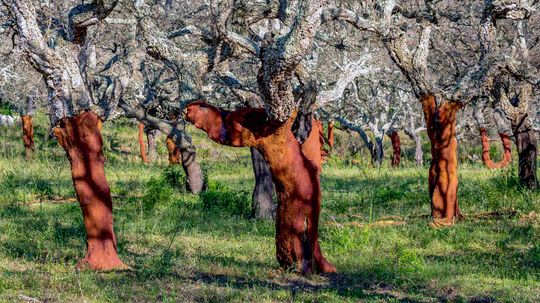
Cork is the go-to material for wine stoppers and bulletin boards. So are we really running out of it? And if so, what happens?
By Wendy Bowman
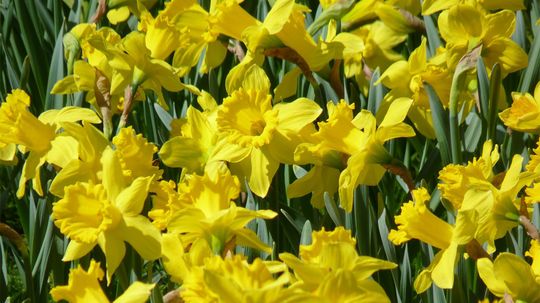
Requiring little care and upkeep, daffodils are bright, showy perennials that symbolize rebirth and new beginnings.
By Wendy Bowman
Advertisement
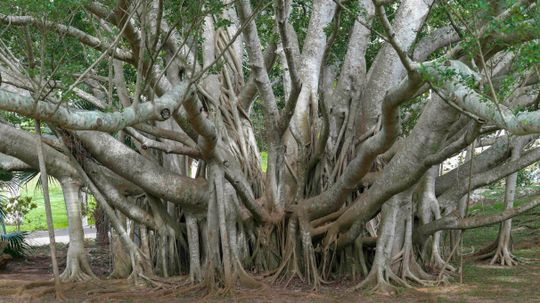
These majestic trees send their roots down in pillars from branch to ground, can form a canopy over 80 feet high and can live to be 250 years old.
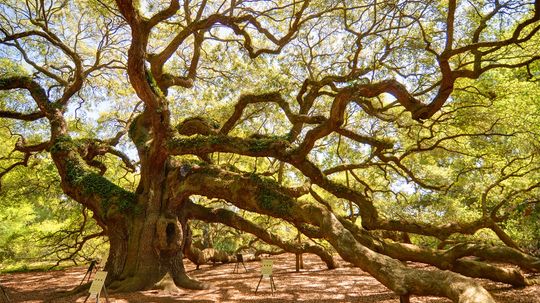
On Johns Island, South Carolina, stands an oak tree so big and beautiful that people come just to stand under its branches and feel the magic.