Where Is the Biggest Oil Rig in the World?

By: Grant Virellan  | 
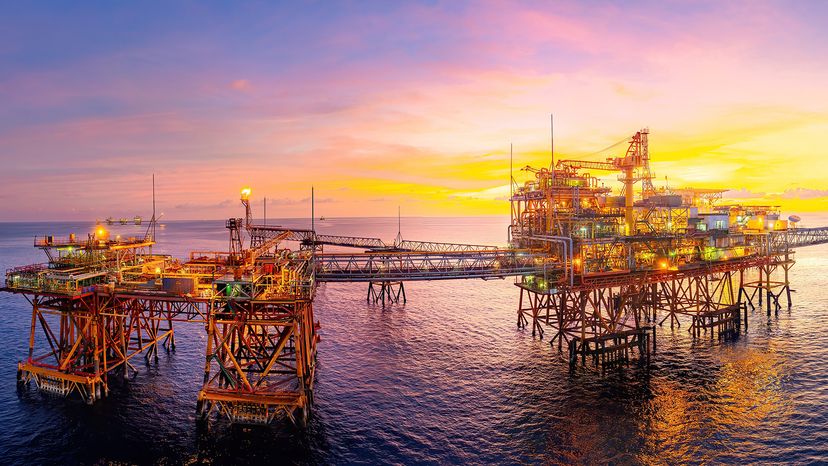
Some are large in the weight of their own materials, and some are large in the sheer depth they reach. Dong Nhat Huy / Shutterstock

Offshore drilling requires enormous structures designed to extract crude oil and natural gas from beneath the ocean floor. When people search for the biggest oil rig in the world, they are usually referring to the massive offshore platforms used in global oil production.

Modern offshore oil and gas facilities are engineering marvels. These immense structures combine drilling equipment, processing units, storage facilities, and living quarters for hundreds of workers while operating in extreme ocean environments.

Advertisement

Below are some of the largest and most impressive offshore oil platforms and drilling rigs ever built.

1. Hibernia Platform

The Hibernia platform, located about 196 miles (315 km) east of Newfoundland in the North Atlantic, is one of the heaviest offshore oil platforms ever built.

The completed platform will have an on-bottom weight at the offshore site of more than 661,000 tons (600,000 metric tonnes), and the gross weight of the concrete structure (including solid ballast and stored fluids) exceeds 1.1 million tons (1 million metric tonnes).

Advertisement

Engineers designed the platform to withstand impact with a 1 million-ton iceberg without damage, and contact with icebergs up to 6 million tons with repairable damage. This protective design allows the facility to safely operate in one of the harshest offshore environments in the world.

Hibernia remains one of the most important offshore oil production platforms in Canada.

Advertisement

2. Berkut Oil Platform

The Berkut drilling platform’s total weight (top and bottom) exceeds 200,000 tons (181 metric tonnes), and it has been described as the world’s largest construction of its kind.

Located off the Russian Pacific coast near Sakhalin Island, the Berkut platform supports offshore oil and gas operations in harsh subarctic conditions.

Advertisement

The structure weighs about 200,000 tons and was built as part of a $12 billion international collaboration involving ExxonMobil, Rosneft, and partners from Japan and India. Its gravity-based structure required about 52,000 cubic meters of concrete and 27,000 tons of steel.

Designed to withstand temperatures as low as -47 degrees F (-44 degrees C) and waves up to 59 feet (18 meters) high, the Berkut oil rig provides for well drilling with horizontal displacement not less than 4.3 miles (7 km) from the platform.

The platform measures 345 feet (105 meters) long, 197 feet (60 meters) wide, and 472 feet (144 meters) high with the bottom included.

Advertisement

3. Troll A Platform

The Troll A platform in the North Sea off the coast of Norway is one of the tallest structures ever moved by humans. More than 1,210 feet (369 meters) of the platform sits below sea level.

The structure uses high strength concrete reinforced with steel rods and prestressed tendons to support natural gas production from the Troll gas field.

Advertisement

Because of its enormous size and engineering complexity, Troll A is often described as one of the greatest achievements in offshore platform construction.

4. Perdido Oil Platform

The Perdido oil platform in the Gulf of Mexico is the world's deepest spar-type offshore platform. Operated by Shell, the facility floats in water about 8,000 feet (2,450 meters) deep.

The platform connects to subsea wells producing oil and gas from depths between roughly 7,500 and 9,800 feet (2,300 and 3,000 meters) below the water’s surface. This makes Perdido one of the most technologically advanced offshore drilling operations ever built.

Advertisement

5. Petronius Platform

The Petronius platform, also located in the Gulf of Mexico, is one of the tallest free-standing structures in the world. The platform rises approximately 2,001 feet from the ocean floor.

Unlike rigid offshore structures, Petronius was designed to sway slightly with tidal currents and ocean forces. This flexible engineering approach helps it withstand waves and storms common in offshore drilling environments.

Advertisement

6. Olympus Oil Platform

The Olympus oil platform, sometimes called Mars B, operates in the Mars field in the Gulf of Mexico. The facility produces around 100,000 barrels of oil equivalent per day at peak production.

By 2014, the Mars field had produced more than 700 million barrels of oil. The production platform includes multi deck topside facilities, drilling operations and living quarters supporting nearly 200 offshore jobs.

Advertisement

7. Stones FPSO

The Stones floating production system, located roughly 200 feet (322 km) off the coast of New Orleans, is the deepest offshore oil and gas project in the world.

This floating production storage and offloading facility operates in water depths reaching about 9,500 feet (2,896 meters). Floating production systems like Stones are designed to process oil and gas directly at sea and store crude oil before it is transported to shore.

Advertisement

How Offshore Oil Rigs Work

Offshore oil rigs are essentially small industrial cities built at sea. A typical platform includes drilling equipment, processing units, storage systems, and operations rooms for monitoring production.

Workers live on the platform in sleeping quarters and rely on supply vessels and helicopters for transportation. Safety systems, emergency equipment, and support vessels are essential because offshore oil production takes place far from land.

Advertisement

These structures operate on the continental shelf and in deep ocean waters to extract petroleum and natural gas beneath the sea floor. As technology improves, more drilling operations are being conducted through subsea installations that connect wells directly to platforms.

Environmental Challenges of Offshore Drilling

Offshore oil and gas production also presents environmental challenges. Oil spills from pipelines or tankers transporting crude oil remain one of the biggest risks.

Produced water generated during offshore drilling can contain dissolved hydrocarbons and high salinity. Platforms must treat or reinject this water to minimize environmental impact.

Advertisement

Modern offshore facilities are designed to withstand hurricanes, extreme weather, and corrosive ocean conditions while maintaining safe operations. Engineers also continue exploring ways to reduce emissions and improve efficiency across offshore oil production systems.

We created this article in conjunction with AI technology, then made sure it was fact-checked and edited by a HowStuffWorks editor.

Advertisement

Advertisement

Loading...