Invasive Species in California That Damage Crops and Endanger Native Animals

By: Grant Virellan  | 
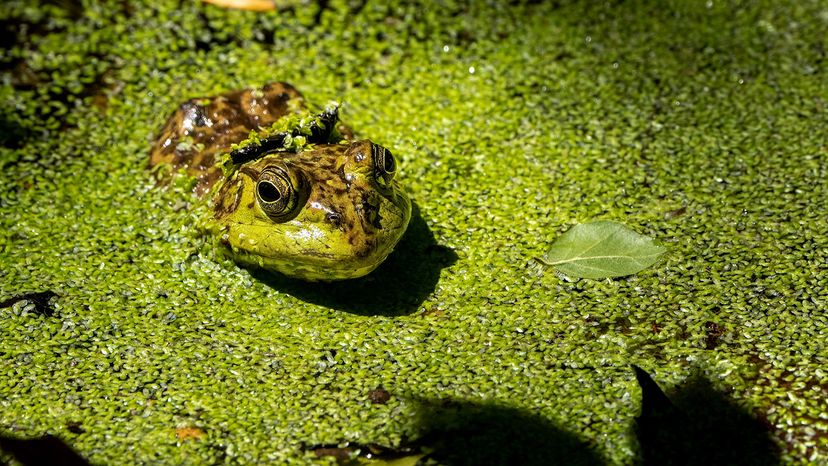
Can you tell who the invasive species is in this picture? Wirestock Creators / Shutterstock

In a state packed with deserts, rivers, forests and coastlines, invasive species in California are a serious threat to the plants and animals that evolved here.

These invasive species are organisms introduced outside their native range that establish themselves, spread and harm ecosystems, agriculture, infrastructure, or human health. California has extraordinary biodiversity, yet so many non-native species can find a foothold and out compete native species.

Advertisement

That pressure shows up almost everywhere. Some invasive plants push aside native vegetation and native grasses. Some animals prey on wildlife or reach high densities so fast that they change food webs, nutrient flow, and habitat itself. Others clog irrigation channels, damage crops and forests, or carry disease.

What Is an Invasive Species?

Scientists usually define an invasive species as a plant, animal, or pathogen living outside its native range and causing harm. That harm can look like habitat loss, disease transmission, soil disruption, or direct predation.

It can also look more mechanical: Aquatic invaders can foul boats, pumps, and irrigation channels, while land-based pests can kill trees or strip away the cover native species need for food and shelter. Once a fast-spreading outsider takes hold, ecosystems can change in a hurry.

Advertisement

Why California Is So Vulnerable to Invasive Species

California gives invasive species plenty of openings. The state has major ports, a huge nursery and aquarium trade, busy highways, working rivers, reservoirs and farms, plus mild climates in both Northern California and Southern California.

When a species arrives with no natural checks, it can survive, reproduce rapidly, and spread into new habitat.

Advertisement

The California Department of Fish and Wildlife's invasive species program says its mission is to reduce the negative effects of non-native invaders through prevention, early detection, and response, plus efforts to limit spread after a species becomes established.

That matters because invasive species affect water delivery, agriculture, conservation, and recreation at the same time. The UC Davis California invasive species database tracks hundreds of species in California that are already established or considered a potential threat.

Advertisement

Invasive Plants Can Remake Land and Water

Some of the most disruptive invaders in California are plants. Giant reed, also called Arundo donax, is a towering grass from Southern Europe and parts of Asia that is known for rapid growth.

Along creeks and rivers, giant reed can crowd out native vegetation, alter fire behavior, and reshape habitat for fish, insects, amphibians, and birds. In practical terms, it turns a mixed streamside community into something closer to a wall.

Advertisement

Aquatic plants can be just as aggressive. UC ANR's quagga and zebra mussel research page notes how invasive organisms can transform water systems, and invasive plants such as Hydrilla verticillata and Egeria densa do something similar by forming dense underwater masses.

Hydrilla verticillata spreads through fragments, tubers and seeds, while Egeria densa can create thick mats that trap algae, slow water movement, and degrade habitat. Those mats reduce access for fish and people alike, and they can interfere with flood control and irrigation.

Yellow starthistle is another well-known example. It moves into grasslands, crowds out native grasses and lowers forage quality. That makes it a problem not just for conservation but for agriculture too.

When invasive plants dominate soil and water, native plants lose the space and sunlight they need, wildlife populations change, and ecosystems become less resilient.

Advertisement

Invasive Animals and Pathogens Put Pressure on Native Wildlife

Many invasive animals do damage because they eat almost anything, breed quickly, or thrive around people.

The American bullfrog is a classic example. This large species was introduced for food and other uses, and it now preys on native amphibians, fish, insects, and even smaller frog species.

Advertisement

Researchers have also linked bullfrogs to the spread of chytrid fungus, a wildlife disease that has harmed amphibians around the world.

Crabs, snails, ants, and mussels cause their own kinds of trouble.

  • The European green crab, native to Europe and nearby coasts, is an efficient predator that can tear into shellfish beds and compete with native animals for food.
  • The Chinese mitten crab, a dark brown crab from East Asia, burrows into banks along rivers and channels, which can increase erosion while it also competes with native species.
  • The New Zealand mud snail reaches astonishingly high densities in streams, where it can monopolize food resources and alter nutrient flow.
  • Argentine ant colonies spread across urban and wild landscapes, displacing native insects and reshaping how ecosystems work at the ground level.

Freshwater mollusks are another major concern. Quagga and zebra mussels, both native to waters connected to the Black and Caspian seas and first spread widely in North America through shipping, are now among the best-known aquatic invasive species in California.

Zebra mussels became notorious in the midwestern united states before California water managers intensified prevention. Quagga mussel populations can carpet hard surfaces, clog infrastructure and change food availability in lakes and reservoirs.

Other invaders arrive through less obvious pathways.

  • The channeled apple snail can reproduce rapidly, lay clusters of eggs above the waterline, and damage aquatic crops.
  • Red-eared sliders often start as released pets from the aquarium trade and then compete with native turtles.
  • Nutria, a large rodent, destroy wetland plants and destabilize levees and irrigation channels.

Each case looks a little different, but the pattern is the same: Introduced animals push ecosystems away from the balance native species evolved with.

Advertisement

Forest Pests Show How Fast an Invasion Can Change a Landscape

Some invasive species do their damage tree by tree. The UC IPM goldspotted oak borer page describes how this beetle was introduced to Southern California from its native range in southeastern Arizona and was detected in San Diego county in the 2000s.

Its larvae tunnel beneath bark, disrupting the tissues trees use to move water and food. Over time, that can kill mature oaks.

Advertisement

That matters far beyond a single tree. Oaks support insects, birds, mammals ,and fungi, and they shape shade, moisture, and soil conditions in entire woodlands.

When goldspotted oak borer kills trees, the result is habitat loss, more stress on wildlife and added fire and safety concerns in forests and developed areas. This is where invasive insects become a conservation problem, not just a pest-control problem.

California has dealt with many other forest and crop invaders as well, and they all underline the same point: Once a species is established, eradication becomes much harder. That is why early detection matters so much.

Advertisement

Control Takes Science, Policy and Public Help

California's response blends monitoring, prevention, biological control, mechanical removal, chemical control where appropriate, and public education.

The state also relies on inspections, boat-cleaning rules and reporting systems. Programs aimed at quagga mussel and zebra mussels often stress "Clean, Drain, Dry" because a few hidden larvae can move from one water body to another on a boat or trailer.

Advertisement

Control strategies depend on the invader. Giant reed may be cut and treated repeatedly. Hydrilla verticillata and Egeria densa may require long-term aquatic management. Nutria in wetlands call for eradication programs. In some cases, biological control introduces a carefully tested natural enemy to suppress an invader, though that method has to be used cautiously.

The goal is not just to kill one pest. It is to protect habitat, reduce harm to human health, and keep agriculture, rivers, and forests functioning.

Public reporting is part of that system too. The state encourages people to report sightings of suspect invaders, and tools such as EDDMapS help route that information to experts.

That means anglers, hikers, boaters, gardeners and pet owners all play a role. One dumped aquarium plant, one released turtle, or one contaminated trailer can start a problem that spreads for years.

The bigger idea is simple: Invasive species in California are not only about a few unusual plants or animals. They are about whether native ecosystems can keep working as ecosystems.

When invasive populations spread unchecked, they threaten native species, agriculture, crops, fruit, water systems, and the wider environment all at once.

We created this article in conjunction with AI technology, then made sure it was fact-checked and edited by a HowStuffWorks editor.

Advertisement

Advertisement

Loading...