The Least-visited Country in the World Is Only 10 Square Miles

By: Wren Corvayne  | 
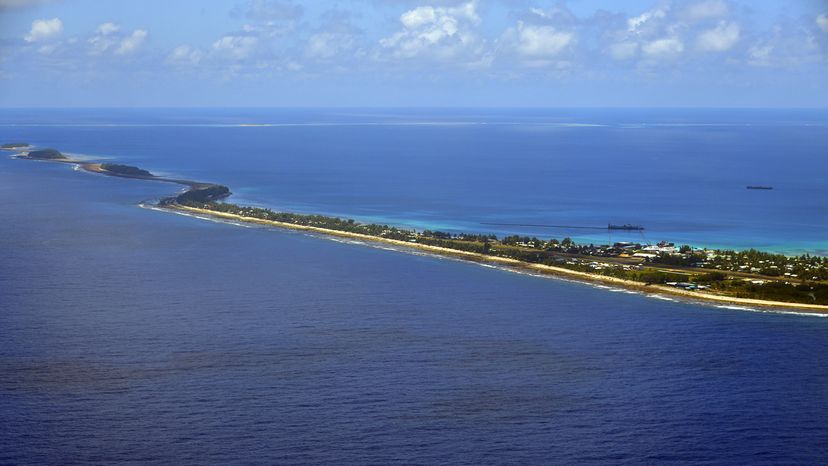
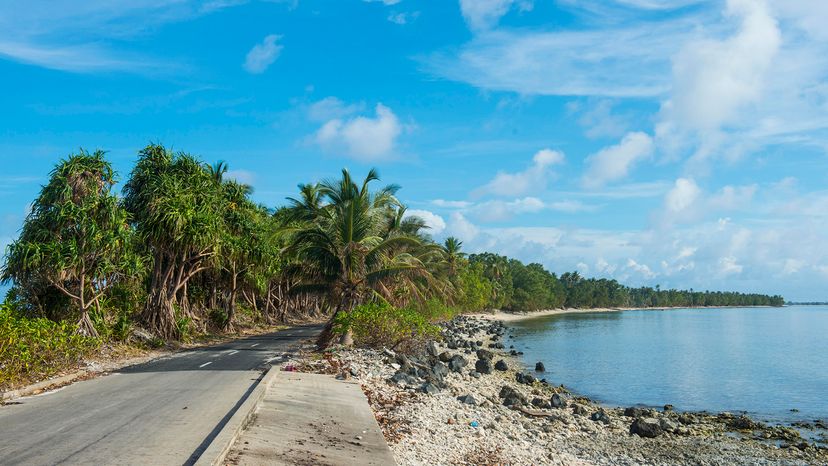
Tuvalu isn't the only country with pristine beaches, but you sure won't find crowded hotels here any time soon. imageBROKER/Michael Runkel / Getty Images/imageBROKER RF

As you might imagine, the least-visited country in the world is a place most people have never even heard of. Imagine a destination without long lines, crowded beaches, or flashy resorts. That place exists in the middle of the Pacific Ocean, and it's called Tuvalu.

Tuvalu, a tiny island nation made up of nine islands, sits quietly between Australia and Hawaii. Only 40 tourists were recorded in 2021, and fewer than 200 visited in some recent years.

Advertisement

It's not that Tuvalu lacks appeal. In fact, its pristine beaches, stunning coral reefs, and vibrant marine life make it a dream for eco-conscious travelers. But its remote location, limited infrastructure, and rising sea levels keep it off most people's radar.
Where Is Tuvalu?

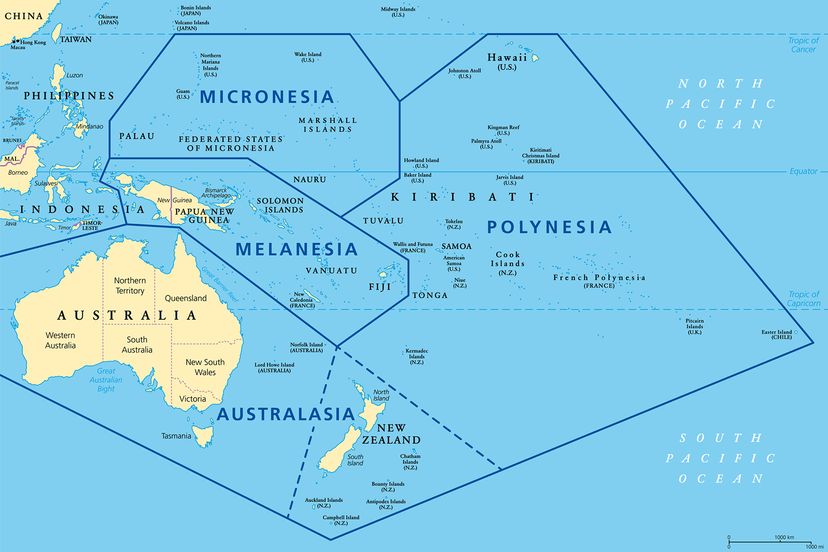
pacific map
In the very middle of this map, you can see Tuvalu's place in Polynesia. PeterHermesFurian / Getty Images

Tuvalu is located in the South Pacific, northeast of Fiji. It's part of the Polynesian subregion and floats near the equator, surrounded by thousands of kilometers of open ocean. The main island is Funafuti, where the international airport sits on a narrow strip of land.

Despite its small size—just 10 square miles (26 square km)—Tuvalu holds an outsized place in climate discussions. With an average elevation of 6.5 feet (2 m) above sea level, it's one of the nations most threatened by climate change and rising seas.

Advertisement

Why Don’t Tourists Visit?

The short answer? Getting there is hard. Only a few flights land each week, mostly from Fiji Airways.

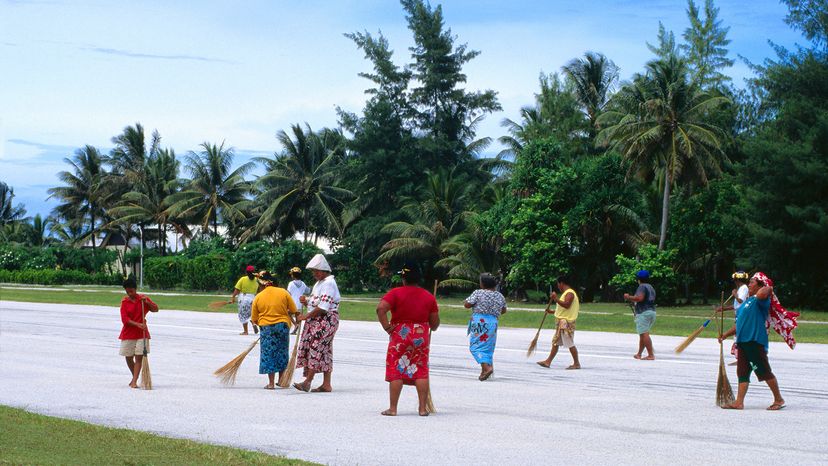
sweeping
Locals sweep the runway at the airport in Funafuti, Tuvalu.
Holger Leue / Getty Images

Once you're in the tiny nation, accommodations are basic. There are no luxury hotels, and there's only one real road on Funafuti—which has no traffic lights.

Advertisement

Add in the lack of tourism promotion, minimal tourist services, and a general lack of awareness, and it's no surprise Tuvalu ends up at the bottom of the list of visited countries. Unlike the Caribbean or the Philippines, it doesn't have a strong tourism industry to attract globe-trotters.

Advertisement

What Makes Tuvalu Special?

Tuvalu's charm lies in its simplicity and its community. There are no crowds, no glitzy attractions, just a close-knit culture that embraces tradition. Locals speak Tuvaluan and share meals based on local food like coconut, breadfruit, and seafood.

For those interested in WWII history, the islands still hold WWII relics, including American planes and bunkers from the Pacific theater. The Phoenix Islands (part of Kiribati) and nearby coral atolls offer some of the world's most untouched diving spots.

Advertisement

Difficulties Expanding Tourism

Tuvalu faces a double bind: It wants more visitors to boost its economy, but its very existence is under threat from environmental changes.

islands
It's no wonder people are nervous about rising ocean levels overwhelming this chain of narrow islands.
mtcurado / Getty Images

Some worry the nation might disappear entirely under the waves. Others see tourism as a tool for resilience, helping Tuvaluans share their story with the world.

Advertisement

So, while many countries build ever-bigger airports and resorts, Tuvalu offers something rarer: a glimpse into life before modern life took over. No silk road of commerce here, just quiet lagoons and timeless culture.

Advertisement

Other Countries With Little Tourism

While Tuvalu tops the list, it's not alone. The Marshall Islands, Solomon Islands, and Federated States of Micronesia also rank among the world's least visited countries. Factors include political instability, nuclear testing, and geographic isolation.

Even North Korea, with its notorious off limits exclusion zone, receives more tourists annually than Tuvalu.

Advertisement

We created this article in conjunction with AI technology, then made sure it was fact-checked and edited by a HowStuffWorks editor.

Advertisement

Loading...