9 Arctic Plants That Defy Nature to Bloom Near the North Pole

By: Grant Virellan  | 
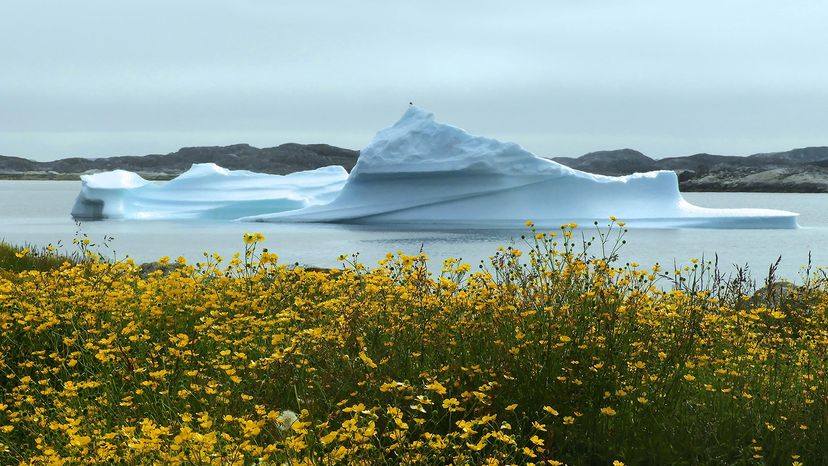
It takes a special set of adaptations to blossom beside glaciers. Nina B / Shutterstock

The Arctic plants that survive near the North Pole thrive in one of the harshest environments on Earth. Extremely cold temperatures, strong winds, snow, and ice limit tree growth and shape unique plant communities across the Arctic tundra.

Despite frigid temperatures and very low soil nutrients, plant life persists through remarkable adaptations.

Advertisement

Most Arctic flora grows low to the ground, conserves heat, and grows and reproduces during short bursts of summer warmth. These hardy species form the foundation of the tundra biome and support the entire food chain.
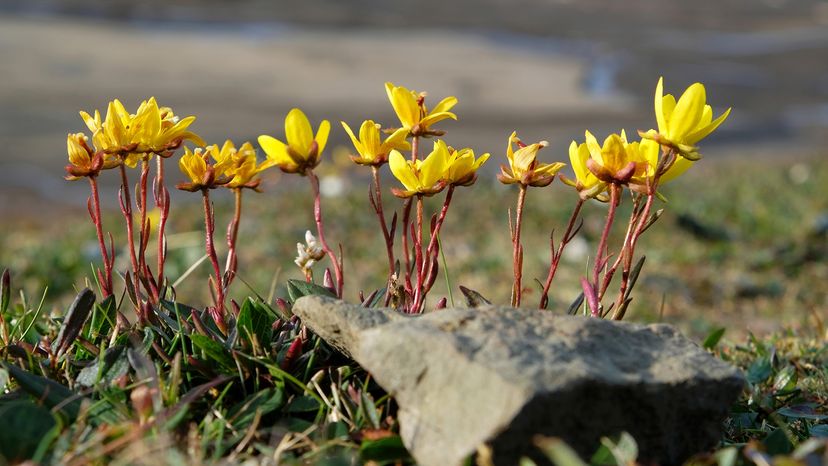
1. Arctic Poppy

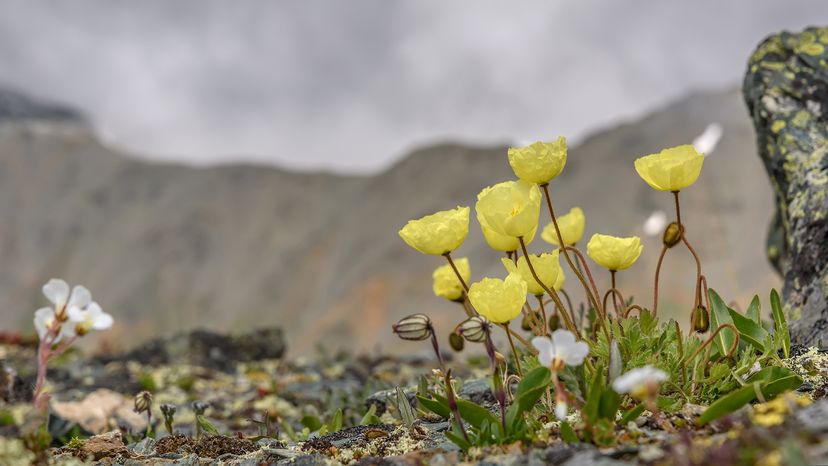
Arctic poppies
Arctic poppies. Iri_sha / Shutterstock

The Arctic poppy is one of the best-known Arctic flowering plants. Its yellow flowers track solar radiation, turning toward the sun to conserve heat and speed seed production. This perennial herb thrives on bare rock in the High Arctic.

Advertisement

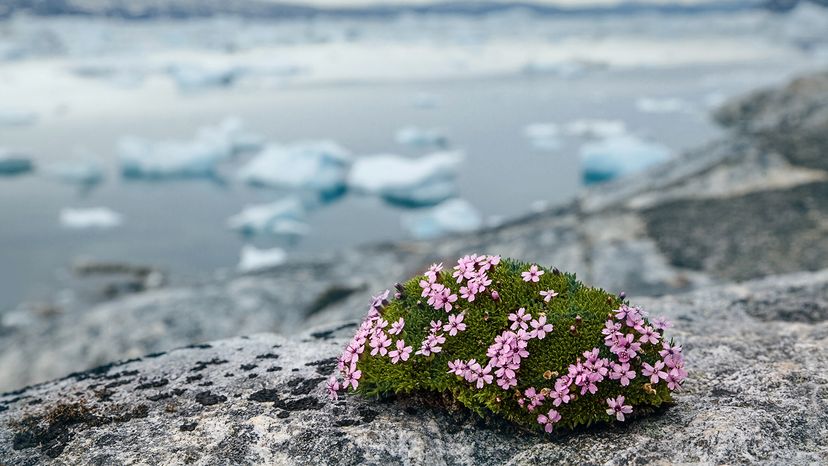
2. Purple Saxifrage

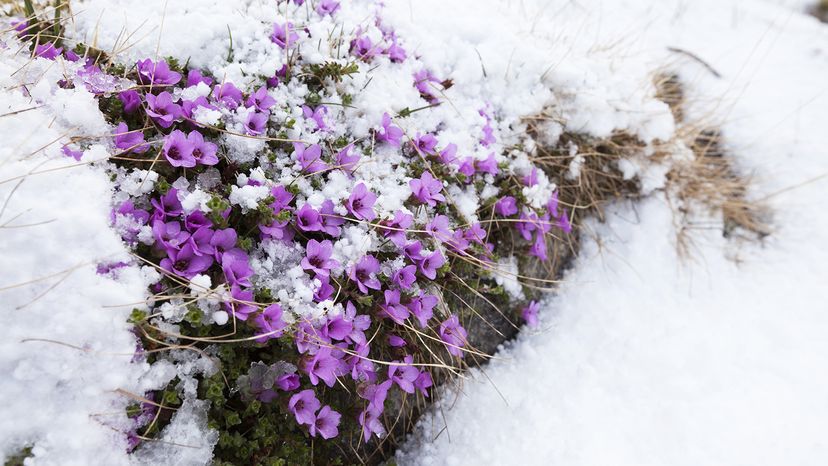
Purple saxifrage
Purple saxifrage. Ingrid Maasik / Shutterstock

Purple saxifrage is among the earliest flowering plant species to bloom after snow melts. Star-shaped flowers emerge even in frigid temperatures, making it a key example of Arctic plant adaptations. It grows across the Northern Hemisphere, including northern Alaska and northern Norway.

Advertisement

3. Yellow Marsh Saxifrage

Yellow marsh saxifrage
Yellow marsh saxifrage. iwciagr / Shutterstock

Yellow marsh saxifrage grows in wetter tundra vegetation zones near streams and thawing ice. Its bright-yellow flowers appear during brief Arctic summers and support insects critical to plant reproduction.

Advertisement

4. Moss Campion

Moss campion
Moss campion. bonilook / Shutterstock

Moss campion forms dense, cushion-like mats that trap heat and block strong winds. This perennial cushion plant grows slowly but can live for decades, surviving extreme cold climate conditions near the tree line.

Advertisement

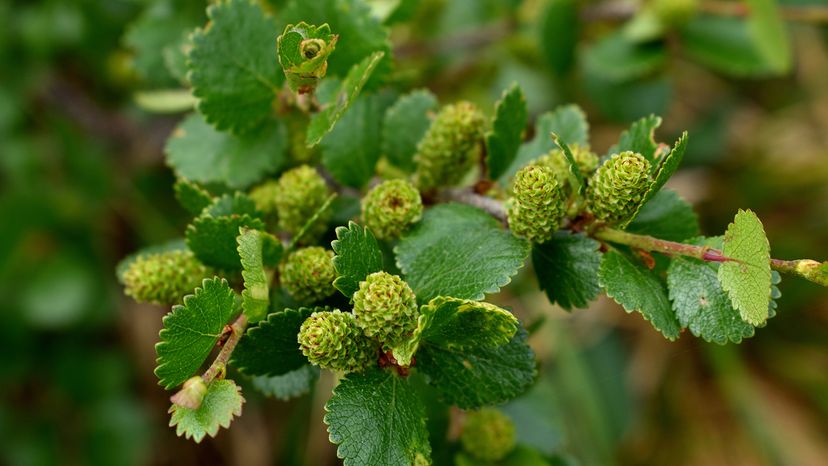
5. Dwarf Birch

Dwarf birch
Dwarf birch. Iuliia Gladkova / Shutterstock

Dwarf birch represents one of the few woody vascular plants in the Arctic tundra biome. Unlike trees in the boreal forest, it grows as a low shrub to avoid wind damage and conserve warmth.

Advertisement

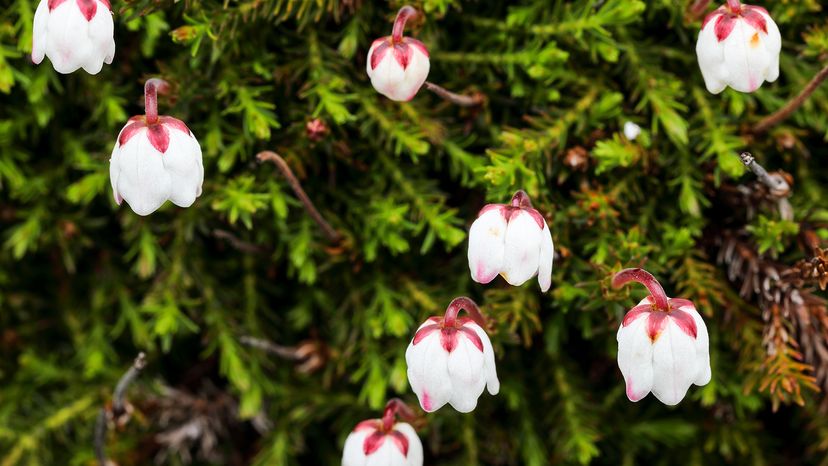
6. Arctic Bell Heather

Arctic bell heather
Arctic bell heather. Tommi Syvanpera / Shutterstock

Arctic bell heather produces small, white, bell-shaped flowers and thrives in dry, rocky soil. This hardy species contributes to vascular plant diversity in subarctic and Arctic regions.

Advertisement

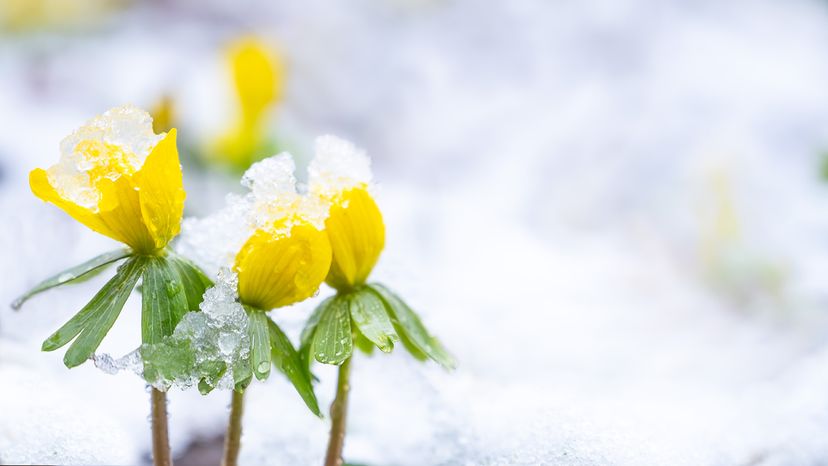
7. Snow Buttercup

Snow buttercup
Snow buttercup. Serhii Khrystenko / Shutterstock

Snow buttercup blooms quickly as snow melts. Its low growth form allows it to survive freezing temperatures while taking advantage of short growing seasons.

Advertisement

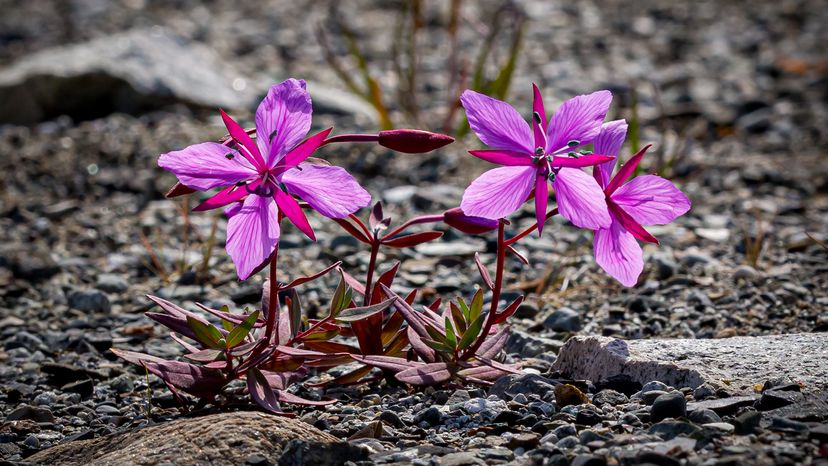
8. Dwarf Fireweed

Dwarf fireweed
Dwarf fireweed. jo Crebbin / Shutterstock

Dwarf fireweed is related to taller fireweed species found farther south. In the Arctic tundra, it remains compact and blooms rapidly, taking advantage of summer warmth before winter returns.

Advertisement

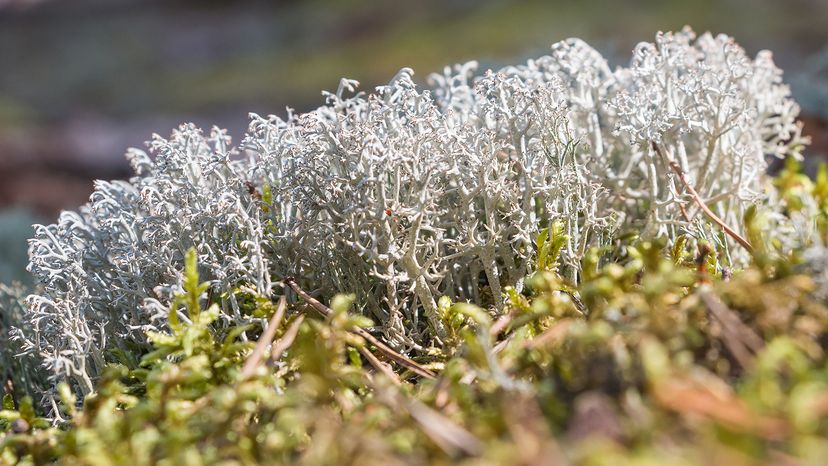
9. Caribou Moss

Caribou moss
Caribou moss. Svetlana Mahovskaya / Shutterstock

Caribou moss (aka reindeer moss) is actually a lichen, not a true plant, but it plays a critical role in Arctic plant life. It serves as a primary winter food source for caribou and can also be eaten by Arctic hares.

Climate change and rising carbon dioxide levels are reshaping Arctic ecosystems. As sea ice declines and temperatures warm, plant species ranges may expand, altering biological diversity across the Arctic Ocean and tundra.

Advertisement

We created this article in conjunction with AI technology, then made sure it was fact-checked and edited by a HowStuffWorks editor.

Advertisement

Loading...