Devon Island: The Icy Canadian Land That NASA Uses for Mars Research

By: Grant Virellan  | 
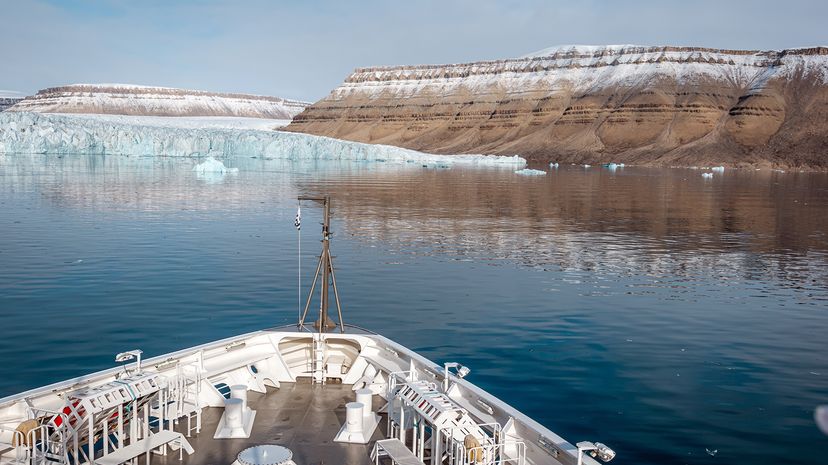
Devon Island, Nunavut, Canada, is an uninhabited island that plays an outsized role in scientific research. Tetyana Dotsenko / Shutterstock

Devon Island looks like another planet, but it sits firmly on Earth in the Canadian Arctic Archipelago. This largest uninhabited island lies in Nunavut Canada, north of Baffin Island in the far north of Arctic Canada.

Stark, wind carved land stretches across a polar desert where freezing temperatures grip the island almost the entire year.

Advertisement

This island has no permanent population. Yet scientists, explorers and the occasional summer visitors travel here each summer to study life, geology, and even Mars.

Where Exactly Is Devon Island?

Devon Island ranks as one of the larger islands in the Canadian Arctic Archipelago and is usually considered to be the largest uninhabited island in the world.

It sits west of Baffin Bay and north of the mainland of Canada, separated from Baffin Island by icy channels once traveled by ships seeking the fabled Northwest Passage.

Advertisement

The Devon Ice Cap

The geography feels dramatic and remote. Rugged terrain dominates much of the land, while an ice cap permanently covered in snow rises toward the highest point, known as Devon Ice Cap.

Snow and ice blanket the island’s ice cap for the entire year, though some coastal areas become briefly snow-free during the short Arctic day of summer.

Advertisement

Precipitation remains low, which makes much of the island a true polar desert. Vegetation clings to the Truelove Lowland area along the northeast coast, where musk oxen and other wildlife graze during the brief growing season.

Haughton Crater and a Mars on Earth

One of the most studied features here is Haughton Impact Crater, often called Haughton Crater. This massive scar in the land formed when a meteorite struck millions of years ago, leaving behind terrain that resembles the surface of Mars.

Because the harsh climate, stark landscape, and limited vegetation mirror conditions on another planet, the Mars Institute operates the Haughton-Mars Project Research Station near the crater.

Advertisement

Scientists use the research station to test equipment for long duration space flights and future Mars missions. NASA has sent researchers on expedition teams to explore how humans might live and work on Mars while still standing on Arctic ground.

Communications capabilities remain limited, so crews operate much like astronauts. They practice hiking across rocky slopes, conducting scientific research, and surviving in freezing temperatures that can plunge well below 0 degrees Fahrenheit (minus 18 degrees Celsius).

Advertisement

History, Inuit and the Ghost of Dundas Harbour

Although uninhabited today, Devon Island holds a rich history. Inuit communities once used parts of the island seasonally, traveling by boat across nearby bay waters during summer.

In the 1920s, the Royal Canadian Mounted Police established an outpost at Dundas Harbour on the south coast. The settlement never grew large, and residents eventually left. Today only traces remain, reminders of how difficult life in this region can be.

Advertisement

The island’s position near the eastern entrance to the fabled Northwest Passage placed it along historic routes of explorers searching for a shortcut between the Atlantic and Pacific. Ships often became trapped in ice during Arctic winter when darkness covers the land for months.

Climate, Ice, and a World Apart

Life on Devon Island revolves around extremes. During winter, darkness, and freezing temperatures dominate almost the entire year. During summer, the Arctic day brings constant sunlight—yet snow and ice still shape the landscape.

The interior ice cap remains permanently covered, while coastal lowlands may turn briefly snow-free in July. Even then, the ground thaws only at the surface. Beneath lies permafrost, locked solid by the Arctic cold.

Advertisement

Wildlife survives through adaptation. Musk oxen roam the tundra, and small populations of Arctic fox and birds nest during the short summer. With no towns, no roads, and no permanent human settlements, the island stands as a rare place in the world where nature operates largely undisturbed.

Why Scientists Keep Coming Back

Devon Island offers something few places on Earth can: a safe, controlled way to study another planet without leaving Canada.

The Haughton-Mars Project Research Station allows scientists to simulate Mars missions, test habitat designs and study how isolation affects crews during long duration space flights.

Advertisement

At the same time, researchers examine Arctic ecology, climate change, and the resilience of life in one of the planet’s harshest environments. From the Truelove Lowland area to the rim of Haughton Impact Crater, each trip deepens our understanding of geography, climate and survival in extreme conditions.

In a country known for vast wilderness, this island stands apart. It is remote, uninhabited, and shaped by ice, yet it plays an outsized role in scientific research that reaches far beyond the Canadian Arctic.

We created this article in conjunction with AI technology, then made sure it was fact-checked and edited by a HowStuffWorks editor.

Advertisement

Advertisement

Loading...