The Saltiest Body of Water Isn't the Dead Sea

By: Grant Virellan  | 
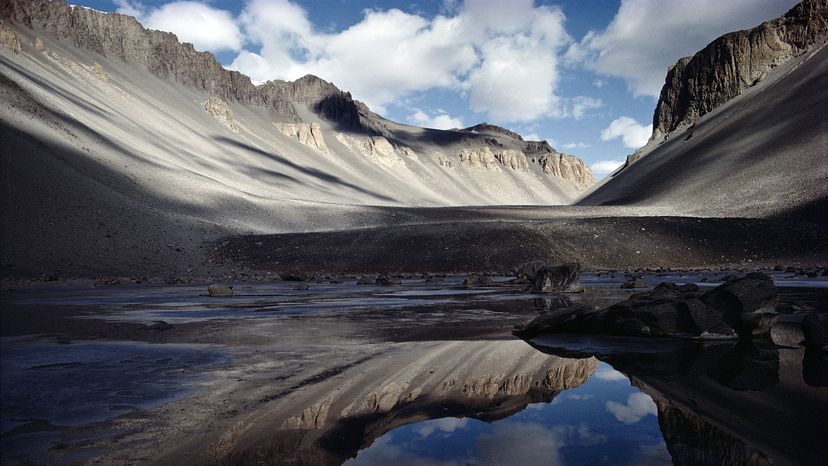
Antarctica's Don Juan Pond is almost half salt. Kevin Schafer / Getty Images

It sounds like a simple trivia question. In reality several lakes, seas, and ponds compete for the title of "saltiest body of water," depending on how scientists measure salinity.

The average ocean contains about 3.5 percent salt. Some hypersaline lakes contain 10 times that amount—or even more more—because water evaporates faster than it flows out, leaving mineral salts behind.

Advertisement

Below are some of the saltiest bodies of water on Earth.

1. Don Juan Pond: 44%

Don Juan Pond in Antarctica is widely considered the saltiest body of water on Earth. Located in the McMurdo Dry Valleys of the Upper Wright Valley near the Asgard Range mountains, the shallow pond can reach a salt concentration of about 44 percent.

That extreme salinity keeps the water liquid even when temperatures drop below -50 degrees Celsius. Most of the brine is composed of calcium chloride, which prevents ice from forming even in the harsh Antarctic air.

Advertisement

Scientists study Don Juan Pond because environments with such intense salinity may resemble conditions on Mars. Evaporation and salty soil in the surrounding valley continually feed mineral salts into the pond.

2. Gaet'ale Pond: 43.3%

Gaet'ale Pond in Ethiopia is another contender for the saltiest lake on Earth. Located in the Danakil Depression of the Afar Region, the small thermal pond has recorded salinity levels around 43.3 percent.

Unlike icy Antarctica, this environment is extremely hot. Water temperatures can reach 50 to 55 degrees Celsius (122 to 131 degrees Fahrenheit). The brine contains high levels of calcium chloride and magnesium chloride, giving the water its unusual chemistry.

Advertisement

3. Lake Vanda: ~35%

Lake Vanda sits in Antarctica's Wright Valley and also ranks among the saltiest lakes on the planet. Some deep layers of the lake contain salinity levels close to 35 percent.

The lake remains partly covered by ice year round, yet salty water accumulates beneath the surface. This layered structure creates unusual conditions where extremely saline water sits beneath fresher water.

Advertisement

4. Lake Assal: ~35%

Lake Assal in Djibouti is one of the saltiest lakes outside Antarctica. Located in the Rift Valley region of East Africa, the lake has a salinity of roughly 35 percent.

Its shoreline lies far below sea level and intense evaporation concentrates salt in the remaining water. The surrounding landscape is stark and white with mineral deposits left behind as water disappears.

Advertisement

5. The Dead Sea: 34%

The Dead Sea in the Middle East is among the most famous hypersaline lakes in the world. Positioned between Jordan and Israel in the Jordan Rift Valley, it sits about 430.5 meters below sea level—the lowest point on land.

Its salt content is about 34 percent, nearly 10 times saltier than the ocean. Because the water is so dense, people can float easily on the surface.

Advertisement

The Dead Sea is also known for mineral-rich mud and water that contain sodium chloride and other salts. These minerals have drawn health tourism and scientific research into possible skin and respiratory benefits.

6. Great Salt Lake: 27%

The Great Salt Lake in the western United States is one of North America's most saline bodies of water. Its salinity levels fluctuate widely depending on rainfall and water flow.

In wet years the lake may contain about 5 percent salt, but in dry periods it can rise to roughly 27 percent. Declining water levels have recently increased salinity in some parts of the lake.

Advertisement

7. Laguna Cejar: ~25%

Laguna Cejar in Chile is a highly saline sinkhole lake located in the Atacama Desert. Like the Dead Sea, its high salt content makes it easy for visitors to float on the water's surface.

The surrounding desert landscape, dry air, and limited freshwater inflow allow evaporation to concentrate salt in the lake.

Advertisement

8. The Red Sea: 4%

The Red Sea is not a lake but one of the saltiest seas connected to the global ocean. Its salinity averages about 4 percent, higher than typical ocean water.

Hot temperatures, little rainfall, and limited freshwater rivers flowing into the sea help keep salt concentration high. Despite this salinity, the Red Sea still supports abundant marine life and coral reefs.

Advertisement

Hypersaline Antarctic Ponds

Several other hypersaline lakes and ponds exist across Antarctica's McMurdo Dry Valleys. These small bodies of water form where snow melt mixes with extremely salty soil.

Because they have no outlets, evaporation leaves behind concentrated brine. These environments often contain only specialized microorganisms such as halophiles and extremophile bacteria.

Advertisement

Why Hypersaline Lakes Form

The saltiest lakes on Earth usually appear in closed basins where water cannot flow out to the ocean. Rain, snow, and small streams bring dissolved minerals into the basin.

As water evaporates, salt stays behind and builds up over time. The result is a hypersaline lake with extremely high density water where only specialized life can survive.

Researchers often study these lakes because their harsh chemistry may mirror conditions on other planets. Understanding how microbes survive in salty water on Earth could help scientists search for life elsewhere in the world.

We created this article in conjunction with AI technology, then made sure it was fact-checked and edited by a HowStuffWorks editor.

Advertisement

Loading...