10 Tundra Plants That Prove Life Finds a Way

By: Grant Virellan  | 
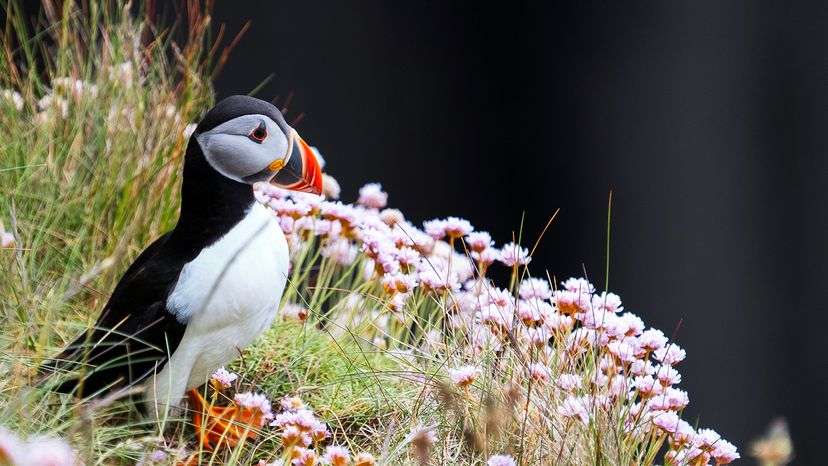
This Atlantic puffin is admiring some Arctic poppies. HedvikaMichnova.jpg / Shutterstock

The tundra plants that survive at the top of the world are masters of adaptation.

In the Arctic tundra and alpine tundra, plants grow in a harsh environment defined by cold temperatures and strong winds. Yet across tundra ecosystems in the Northern Hemisphere and even parts of the Antarctic tundra, plant life finds a way.

Advertisement

Most tundra plants stay low to the ground, conserve heat, and bloom fast when temperatures rise and snow melts. Here are 10 common plant species that thrive in the tundra biome, from the North American Arctic to windswept mountain slopes.

1. Arctic Willow

The Arctic willow is one of the most recognizable Arctic plants. Unlike tall forest trees in the boreal forest to the south, this dwarf willow hugs the treeless plain in a prostrate growth form that helps trap heat near the ground.

It grows across northern Alaska and other parts of the Arctic Circle. By staying low, it avoids harsh winds and protects delicate flower buds from frigid temperatures.

Advertisement

2. Arctic Poppy

The bright Arctic poppy adds flashes of yellow to tundra landscapes. These Arctic flowers track the sun across the sky, turning their blooms to capture as much warmth as possible.

Flexible stems allow the plant to bend with strong winds. Hairy leaves and stems help conserve heat in a cold climate where Arctic temperatures can drop well below freezing.

Advertisement

3. Purple Saxifrage

Purple saxifrage often blooms near the North Pole, making it one of the northernmost flowering plants on Earth. Its star-shaped flowers appear quickly after snow melts.

This plant thrives in rocky soil and poor soil where other plants struggle. Cushion-like growth traps heat and protects against ice crystals formed during cold winters.

Advertisement

4. Moss Campion

Moss campion is a classic example of cushion plants in the alpine environment. It forms dense, dome-shaped mats that act like natural insulation.

These mats reduce heat loss, block harsh winds and support steady plant growth during short summers. In alpine tundra and Arctic tundra alike, this common plant shows remarkable adaptations to a harsh climate.

Advertisement

5. Labrador Tea

Labrador tea is a low shrub found across the north American Arctic and parts of the west coast. It grows in tundra soil that sits above the permafrost layer.

Thick leaves help conserve energy and reduce water loss in low temperatures. Indigenous communities have long used this plant in its natural habitat for herbal preparations.

Advertisement

6. Dwarf Birch

Dwarf birch survives in frozen soil where deeper roots cannot penetrate because the ground above the permafrost thaws only slightly each summer. As temperatures rise briefly, this plant pushes out small leaves and flowers.

Its low shrubs spread close to the ground, avoiding damage from strong winds. Seed production and seed dispersal happen quickly during the short growing season.

Advertisement

7. Bearberry Plants

Bearberry plants act as ground cover across tundra ecosystems. Their creeping stems stabilize rocky soil and protect against erosion.

Bright-red berries provide food for animals in a landscape where other plants are limited. This tight growth pattern helps the plant trap heat and endure cold temperatures.

Advertisement

8. Cotton Grass

Cotton grass stands out with fluffy white tufts that wave in the wind. It often grows in wetter tundra soil areas where melting ice adds surface moisture.

The plant’s structure allows it to survive in frozen soil and withstand harsh winds. Its seeds spread efficiently across open tundra landscapes.

Advertisement

9. Mountain Cranberry

Mountain cranberry grows in both alpine tundra and Arctic tundra. It produces small evergreen leaves and bright berries.

By staying low and forming dense mats, it conserves heat and resists frigid temperatures. It is another example of how most tundra plants adapt to a cold climate with limited nutrients.

Advertisement

10. Antarctic Hair Grass

Antarctic hair grass is one of the few flowering plants found in the Antarctic tundra. Unlike many Arctic plants in the Northern Hemisphere, this species grows in southern regions of the Southern Ocean islands.

It tolerates freezing winds and short growing seasons. As global warming and climate change alter tundra ecosystems, scientists monitor how plants in the tundra respond when permafrost thaws and water patterns shift.

Across the tundra biome, plants show remarkable adaptations to survive low temperatures, poor soil, and a harsh environment. From the Arctic Circle to remote mountain national park areas, tundra flowers and low shrubs continue to shape some of the most extreme landscapes on Earth.

We created this article in conjunction with AI technology, then made sure it was fact-checked and edited by a HowStuffWorks editor.

Advertisement

Loading...