What State Has the Most Lakes in the U.S.?

By: Grant Virellan  | 
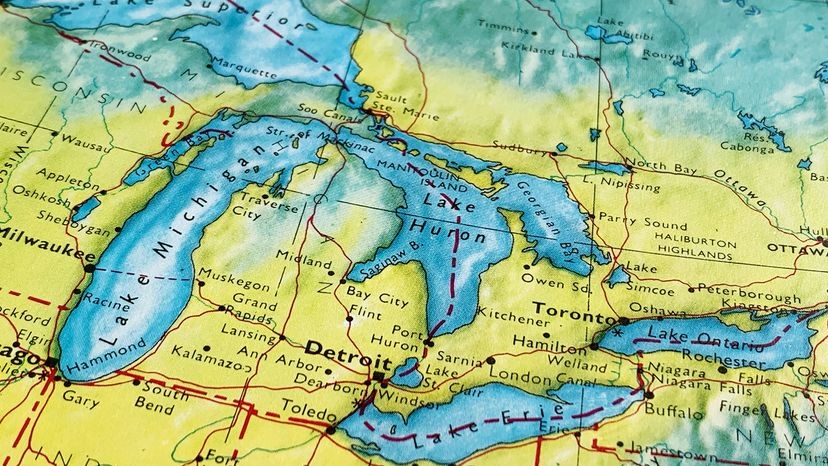
The Great Lakes are the largest lakes in the U.S., but there are thousands of lakes across the rest of the country as well. AustralianCamera / Shutterstock

If you have ever wondered which state has the most lakes, the answer depends on how you count them. Some states contain millions of unnamed ponds and smaller bodies of freshwater, while others are famous for thousands of named lakes used for boating, fishing, and swimming. (Yes, thousands.)

Ancient glaciers carved basins across the northern United States, leaving behind countless freshwater lakes, rivers, and streams. Other states formed lakes through wetlands, reservoirs, and coastal watersheds.

Advertisement

Looking at the total number of natural lakes and freshwater bodies across the U.S., these are the states most often mentioned when researchers map where so many lakes exist across the country.

1. Alaska

Alaska ranks No. 1 if you count the total number of lakes of any size. Multiple processes created lake basins across this northern state, leaving behind an estimated three million lakes.

Many of these are unnamed smaller lakes or ponds scattered across remote land. Still, Alaska contains more bodies of freshwater than any other state in the country.

Advertisement

2. Wisconsin

Wisconsin ranks high for the total number of lakes, with more than 15,000 lakes across the state. Many formed in glacial valleys thousands of years ago.

Outdoor recreation around these freshwater lakes includes boating, fishing, and camping. Rivers and streams connect many lakes across shared watersheds.

Advertisement

3. Minnesota

Minnesota proudly calls itself the "Land of 10,000 Lakes." The state actually has 11,842 lakes covering 10 acres (4 hectares) or more.

Glaciers shaped much of the region, especially across the north and central parts of the state. Visitors often explore these beautiful lakes by boating, fishing, or hiking along forested shorelines.

Advertisement

4. Florida

Florida contains more than 7,700 lakes larger than 10 acres (4 hectares). The state's flat land and swamp ecosystems allow water to collect in shallow basins.

Lake Okeechobee is Florida’s largest lake. The Sunshine State attracts visitors who enjoy fishing, boating and wildlife viewing around these freshwater locations.

Advertisement

5. Maine

Maine contains more than 6,000 lakes and ponds spread across forests and mountains in the northeastern USA. Glaciers helped shape these freshwater basins thousands of years ago.

Advertisement

6. Michigan

Michigan has 3,288 miles of Great Lake shoreline and borders four of the five Great Lakes: Lake Superior, Lake Michigan, Lake Huron, and Lake Erie.

The state also has thousands of inland lakes scattered across the lower peninsula and the Upper Peninsula. Torch Lake is an inland lake in Michigan.

Advertisement

7. Texas

Texas covers enormous land area, which helps explain why it contains many lakes. However, a large portion are reservoirs created by dams rather than natural lakes.

These reservoirs support water supply systems and recreation across the south and central regions of the state.

Advertisement

8. California

California contains thousands of lakes ranging from small alpine lakes in the Sierra Nevada to large reservoirs across the state. Some natural lakes formed from glacial activity or volcanic craters.

These freshwater bodies support recreation, wildlife habitats, and water storage for millions of residents.

Advertisement

9. New York

New York sits along two of the five Great Lakes: Lake Erie and Lake Ontario. The state also contains the famous Finger Lakes region, a chain of long narrow lakes carved by glaciers.

These lakes support vineyards, tourism and boating while feeding major rivers and freshwater watersheds.

Advertisement

Great Lakes States

Several states in the Great Lakes region—Ohio, Indiana, Illinois, and Pennsylvania—border the five Great Lakes and contain many inland lakes.

The eight Great Lake states (the aforementioned, plus Minnesota, Wisconsin, Michigan, and New York) collectively share the largest freshwater system in the world.

The Great Lakes (Superior, Michigan, Huron, Erie, and Ontario) hold about 20 percent of the planet's surface freshwater and stretch across thousands of square miles between the United States and Canada.

When researchers decided how to measure which state has the most lakes, they discovered the answer depends on definitions. Some studies count only named lakes, while others include unnamed ponds and smaller bodies of water.

Either way, the northern part of the country shaped by glaciers contains many lakes. Maps of these freshwater locations show how geology, climate, and watersheds helped create so many lakes across the United States.

We created this article in conjunction with AI technology, then made sure it was fact-checked and edited by a HowStuffWorks editor.

Advertisement

Loading...