What's the Hardest Wood in the World?

By: Grant Virellan  | 
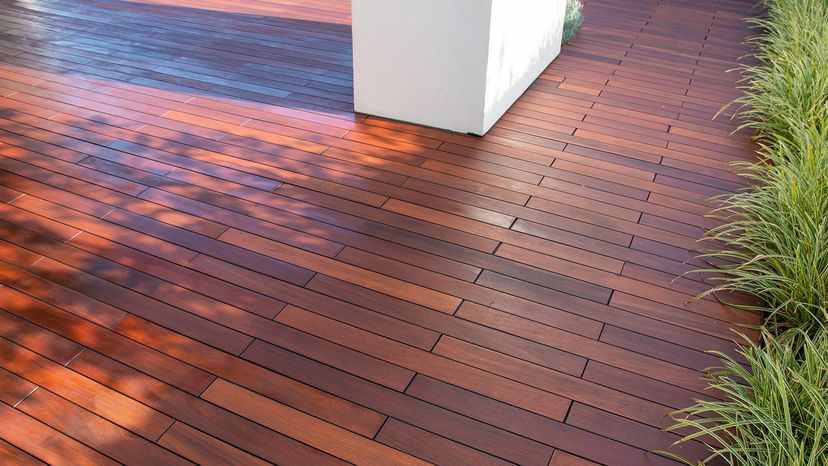
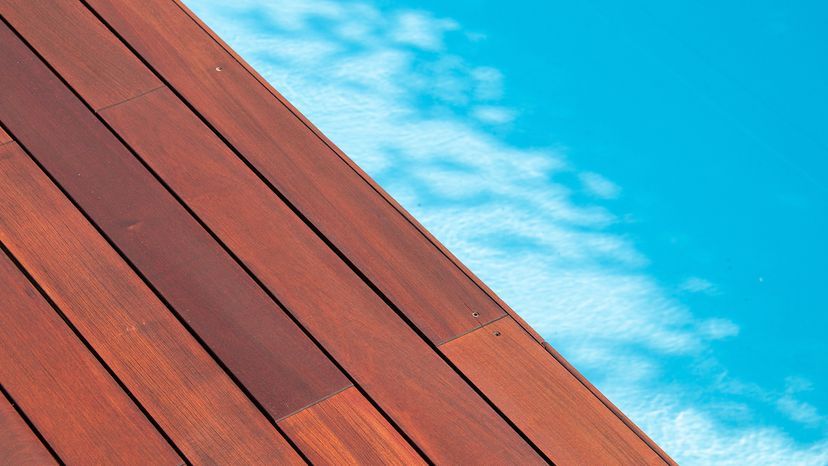
Ipe is fantastic for a pool deck, but it barely cracks into the top five when we rank by the Janka hardness scale. Radoslav Cajkovic / Shutterstock

You might think oak or hickory is tough, but when it comes to the hardest wood in the world, they don’t even come close.

Wood hardness is measured using the Janka hardness test, which tells us how much force it takes to embed a steel ball halfway into a wood sample. This Janka hardness rating is the go-to standard for ranking the world’s hardest woods.

Advertisement

Let’s explore the most durable, dense, and downright axe-breaking woods on Earth.
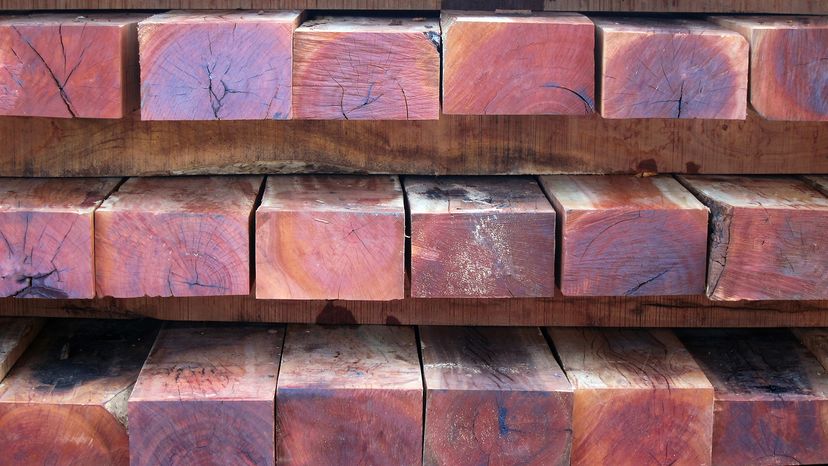
1. Australian Buloke (Allocasuarina luehmannii)

Australian Buloke (Allocasuarina luehmannii) is often reported as the world’s hardest wood, with a Janka hardness of approximately 5,060 lbf.

This flowering plant is native to Australia and known for its extreme durability and high density. It’s so tough that it draws comparisons to the South American “axe-breaker” wood (quebracho) known for extreme hardness

Advertisement

2. Schinopsis spp. (Quebracho)

wood
Quebracho. gueritos / Getty Images/iStockphoto

Native to South America, these trees produce some of the hardest commercially available wood. Often referred to as quebracho or "axe-breaker," its Janka hardness exceeds 4,500 lbf.

It's water-resistant and used in construction and railway ties.

Advertisement

3. Lignum Vitae (Guaiacum spp.)

wood
Lignum vitae. Keo Rithy / Shutterstock

This rare hardwood has historical evidence of use in shipbuilding and tool making. Lignum vitae literally means "wood of life" and can reach up to 4,500 lbf on the Janka rating system.

It's also used for luxury items and musical instruments, but is now considered an endangered species.

Advertisement

4. Snakewood (Brosimum guianense)

Snakewood has a unique appearance with reddish brown color and black streaks, making it popular for decorative uses. It’s extremely dense and expensive, with high demand for knife handles and instrument bows.

Advertisement

5. Ipe Wood (Handroanthus spp.)

wood
Ipe wood. Radoslav Cajkovic / Shutterstock

Sometimes called Brazilian walnut, ipe wood scores around 3,600 lbf on the Janka scale. It’s known for water resistance, insect attack resistance and being incredibly durable.

It’s commonly used for decking and outdoor construction.

Advertisement

6. African Blackwood (Dalbergia melanoxylon)

wood
African blackwood. Keo Rithy / Shutterstock

Known as one of the most expensive woods in the world, African blackwood has a high Janka rating and is used in high-end musical instruments.

Despite its extreme hardness, African blackwood is prized for detailed carving and can be polished to a lustrous finish. It's another species under threat due to limited supply.

Advertisement

7. Desert Ironwood (Olneya tesota)

wood
Desert ironwood. Jared Quentin / Shutterstock

This dense wood grows in the Sonoran Desert and has remarkable durability. It’s dark, rich in color and highly resistant to decay. Not commonly used in flooring, it’s instead sought after for carvings and luxury goods.

Advertisement

8. Brazilian Teak (Cumaru)

wood
Brazilian teak. J.A. Dunbar / Shutterstock

Another South American hardwood, Brazilian teak has a Janka hardness of about 3,300 lbf. It offers high density and water resistance, making it a favorite for flooring and heavy-use furniture.

Advertisement

9. Osage Orange (Maclura pomifera)

wood
Osage orange wood. edchechine / Shutterstock

This bright-yellow wood has a Janka rating of over 2,000 lbf and is valued for its crushing strength and grain stability. It’s often used for fence posts, bows, and other specialty items.

Advertisement

10. Black Locust (Robinia pseudoacacia)

wood
Black locust. Dmytro Surkov / Shutterstock

This tough hardwood scores high on the Janka hardness test and resists rot and insects. Its strength and durability make it a popular alternative to tropical hardwoods for outdoor use.

What Is the Janka Hardness Test?

The Janka test measures how many pounds force (lbf) it takes to embed a steel ball into wood. Higher ratings mean harder woods.

Common hardwoods like oak have Janka ratings around 1,300 lbf, whereas the hardest woods in the world can reach over 5,000 lbf.

Why Does Wood Hardness Matter?

  • Durability: Harder woods last longer under wear and tear.
  • Water resistance: Dense wood often resists moisture better.
  • Furniture and flooring: High Janka ratings mean fewer dents and scratches.
  • Specialty uses: Musical instruments, luxury items, and tool handles require strength and resilience.

From construction to carving, choosing the right wood affects everything from performance to aesthetics. And while softest woods like pine have their place, the world’s hardest woods stand out for their power and prestige.

We created this article in conjunction with AI technology, then made sure it was fact-checked and edited by a HowStuffWorks editor.

Advertisement

Loading...