Are Humanoid Robots Really That Advanced Now?

By: Grant Virellan  | 
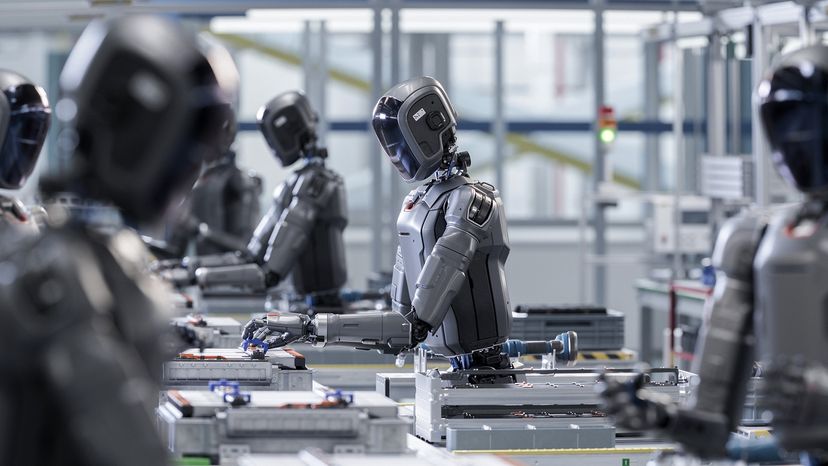
Humanoid robots replicate humans' movements, but with more precise dexterity and greater strength. IM Imagery / Shutterstock

Humanoid robots are machines designed to resemble the human body and replicate some humanlike abilities. Engineers in humanoid robotics build machines with arms, legs, and sensors that allow them to perform tasks in environments built for human beings.

Unlike many traditional industrial robots used in factories, humanoid robots aim to work alongside humans in real world settings. Their humanlike structure helps them open doors, use tools, and interact with human operators.

Advertisement

Rapid advances in artificial intelligence, machine learning, and robot hardware are pushing these systems from science fiction into reality. Researchers now test advanced humanoid robot platforms in homes, workplaces and public spaces.

How Humanoid Robots Mimic the Human Body

Most humanoid robots copy the basic body plan of their human counterparts. Engineers design them with a torso, head, robotic arms, and bipedal robots legs that allow humanlike movements.

Complex mechanical components and motors give these machines many degrees of freedom, meaning they can move joints in multiple directions. This flexibility helps robots perform complex tasks that require human dexterity.

Advertisement

Sensors such as cameras, tactile sensing systems and force/torque sensors allow a robot to detect objects, adjust its grip, and maintain balance in complex environments.

Artificial Intelligence and Control Systems

Modern humanoid robot designed systems rely heavily on artificial intelligence. AI models help robots understand surroundings, track objects, and plan actions.

Developers train AI models using machine learning techniques such as imitation learning and reinforcement learning. These methods allow robots to learn new skills by observing humans or experimenting with actions.

Advertisement

Data pipelines and control systems process information from sensors so the robot can react in real time. This tracking ability helps humanoid robots navigate unstructured environments and maintain safe human robot interaction.

Companies Building Advanced Humanoid Robots

Several companies and research groups are developing humanoid robotics platforms. Boston Dynamics has explored agile robots capable of moving through difficult terrain.

Agility Robotics created Digit robots designed for tasks such as carrying packages and moving totes in warehouses. Pal Robotics builds humanoid service robot systems used as development platforms for research.

Advertisement

Other humanoid robots come from companies such as SoftBank Robotics, Hanson Robotics, and Engineered Arts. These machines often focus on social robot roles, customer service roles, or public demonstrations that showcase facial expressions and communication abilities.

What Humanoid Robots Can Do

Humanoid robots can perform some manual tasks that once required human workers. Robotic arms and motor control allow some humanoid robots to manipulate tools or handle objects.

Developers are training robots to help with household tasks such as cleaning or organizing items. In industrial settings, autonomous robots may assist humans with assembling parts, transporting materials, or monitoring equipment.

Advertisement

Some robots can also be controlled remotely using remote control systems. Human operators guide the machine while the robot provides mobility and strength in dangerous or distant environments.

The Future of Humanoid Robotics

Many experts believe the first wave of humanoid robots will appear in workplaces where labor shortages exist. These robots may help complete repetitive or physically demanding tasks while working alongside humans.

Researchers continue improving balance, autonomous navigation, and humanlike motion so robots can operate in various environments. Advances in greater dexterity and machine perception may allow robots to interact more naturally with people.

Advertisement

While fully autonomous humanoid machines remain in early stages, ongoing research described in publications such as IEEE Spectrum shows steady progress. As artificial intelligence improves, humanoid robots may become capable assistants in homes, hospitals and workplaces across the world.

We created this article in conjunction with AI technology, then made sure it was fact-checked and edited by a HowStuffWorks editor.

Advertisement

Advertisement

Loading...