In Vivo vs. In Vitro Trials (and Why Combining Both Is Best)

By: Grant Virellan  | 
In vitro
When testing a new drug or chemical compound, it's not unusual for researchers to conduct in vitro tests before progressing to in vivo studies. Jesus Cervantes / Shutterstock

In scientific research, knowing the difference between in vivo vs. in vitro methods is essential for interpreting results and designing new experiments. These two approaches help researchers understand complex biological phenomena and advance medical knowledge in very different ways.

Each method has strengths and limitations. Whether you're examining drug development, stem cells, or disease progression, the choice between in vivo and in vitro determines how a study unfolds.

Advertisement
What Does Each Term Mean?

"In vivo" is Latin for "within the living." In vivo experiments occur inside a living organism—often lab animals or, in later stages, human clinical trials.

These studies reveal how biological molecules, drugs, or alternative treatment strategies perform in the complex environment of a whole organism.

Advertisement

"In vitro," meaning "in glass," refers to experiments done outside a living organism. These in vitro studies are conducted in controlled environments like a test tube, petri dish, or laboratory dish using isolated cells or tissues.

In vitro models allow scientists to observe cellular-level effects with high precision.

Advertisement

Experimental Setup and Control

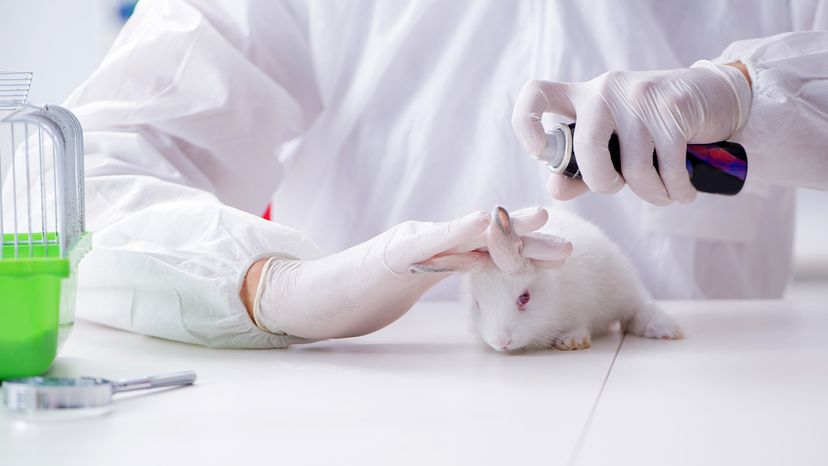
Animal testing
Animal testing qualifies as in vivo experiments. Egoreichenkov Evgenii / Shutterstock

In vitro experiments offer researchers tighter control over variables. Vitro methods help reduce systematic errors by eliminating external influences. This is especially valuable during early phases of pharmaceutical testing or when screening drug candidates.

In vivo studies embrace complexity. They test hypotheses in living systems where drugs interact with multiple organs and biological systems. These vivo experiments can be done in animal models or in a human body under controlled conditions through randomized controlled trials.

Advertisement

Clinical Trials and Human Research

Medical research often moves from vitro tests to in vivo studies as a treatment shows promise. For example, in early vitro experiments, researchers may examine how a drug affects a cell sample or how stem cells differentiate under certain conditions.

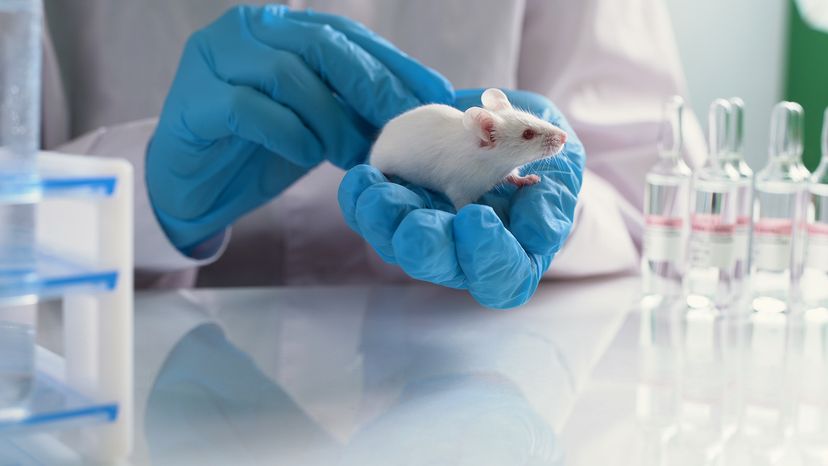
Animal experiments
In vivo trials still require tight controls to ensure valid results.
Elnur / Shutterstock

Once safety and efficacy are established, the research team might conduct in vivo tests using laboratory animals. Eventually, new treatments move to human trials. Here, researchers randomly assign participants to either the treatment or placebo group to eliminate bias.

Advertisement

These trials follow strict ethical protocols, including withholding information where appropriate to maintain the integrity of the study design.

Advertisement

Specific Applications and Use Cases

  • In vitro fertilization (IVF): A widely known method where fertilization occurs outside the body and the resulting embryos are implanted in the uterus
  • In vitro models: Used to study disease progression, identify effective drugs, and test biological molecules without involving whole organisms
  • In vivo studies: Necessary for understanding complex interactions that occur only in an intact organism, such as immune responses or drug metabolism

In vitro tests are also useful for investigating medical knowledge at the cellular level, including how tissues respond to certain chemicals or how a disease spreads between cells.

Advertisement

In Vitro vs. In Vivo Strengths and Limitations

In Vitro

  • Quick results in controlled environments
  • Ideal for studying microorganisms, isolated cells, or tissues
  • Cost-effective and scalable
  • Limited by lack of whole-body interactions

In Vivo

  • Shows how treatments affect complex organisms
  • Essential for evaluating side effects, bioavailability, and disease progression
  • More realistic, but more expensive and time-consuming

Advertisement

The Gold Standard: Combining Both

Researchers often integrate both methods. In vitro tests serve as the foundation, helping to refine the hypotheses and identify promising leads. In vivo studies then validate these results in a natural environment.

This dual approach is the gold standard for understanding the full picture of how a drug or treatment works, from the test tube to the intact organism to human clinical trials.

Advertisement

We created this article in conjunction with AI technology, then made sure it was fact-checked and edited by a HowStuffWorks editor.

Advertisement

Loading...