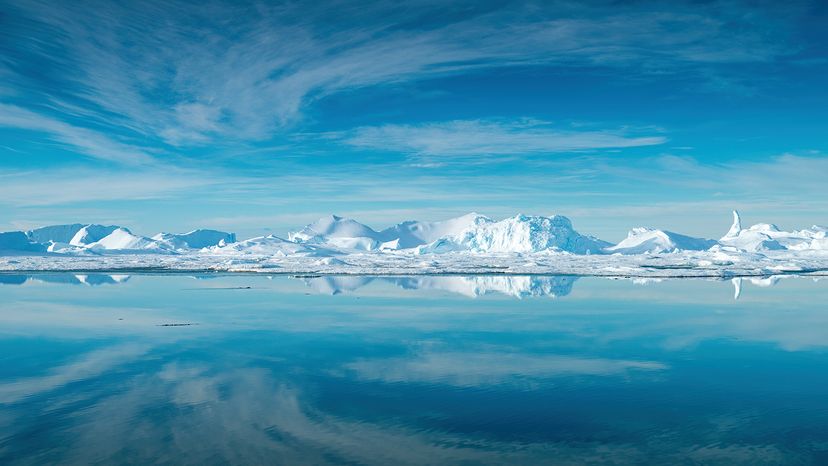
The Arctic region in the Northern Hemisphere lies within the Arctic Circle, one of the polar circles defined by Earth’s tilt and the summer solstice. At its heart sits the Arctic Ocean, covered by shifting pack ice and seasonal Arctic sea ice.
Unlike Antarctica, the Arctic is an ocean surrounded by land mass in northern Canada, northern Europe, and parts of Russia. The Canadian Arctic, Greenland, and and state of Alaska border Arctic waters.
Sea ice extent in the Arctic changes with the seasons. During winter, sea ice spreads across much of the frozen ocean. In summer, rising temperatures shrink Arctic sea ice, exposing dark ocean water.
This shift reduces the ice surface that reflects the sun’s energy, a process known as ice albedo feedback. As a result, Arctic amplification describes the observed phenomenon in which the Arctic climate warms faster than many other regions on ’s surface.
The Greenland ice sheet, one of the largest ice sheets outside Antarctica, adds another layer to the Arctic system. Melting ice contributes to sea level rise and can influence large-scale North Atlantic ocean circulation.
Wildlife thrives despite the extreme climate. Polar bears hunt on sea ice, while Arctic foxes roam coastal tundra. The Arctic Council coordinates cooperation among nations on issues ranging from natural resources to environmental protection.