What Is a Group of Vampires Called? Depends on the Lore

By: Grant Virellan  | 
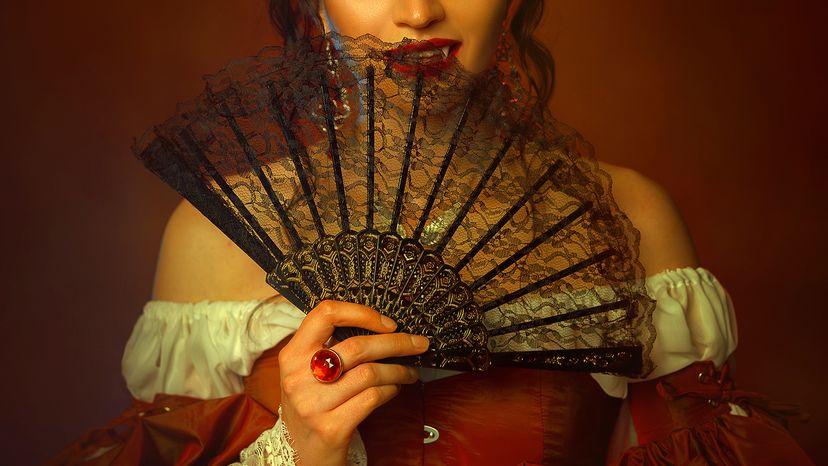
The collective noun for vampires depends on how they operate in their particular universe. Ironika / Shutterstock

What is a group of vampires called? The question drifts through horror forums and late-night conversations. One answer is a coven, though some stories use clan or kindred society, depending on the culture of the undead.

In fiction, names matter because they signal power, lineage, and rules.

Advertisement

Unlike real animals, vampires exist in myth and modern nights of urban fantasy. That means writers decide whether these creatures unite as a tight family, a secret society, or something far more chaotic.

Coven, Clan, or Kindred Society?

The term "vampire covens" appears in novels. A coven refers to a collection of individuals with similar interests or activities. Members follow shared laws, rituals, and traditions designed to help them survive and hide from the mortal world.

Some stories prefer "clan," especially when bloodlines and lineage define identity.

Advertisement

In these worlds, members share common characteristics passed down through the embrace, the act of turning a human into one of the undead. A clan might trace its power back centuries to masters, kings, or a reputedly founded third generation of ancient elders.

"Kindred society" is another phrase, especially in role-playing lore. Here, vampires call themselves kindred to emphasize culture over monstrosity. They form ranks, enforce their own rules, and protect the masquerade (the grand effort to hide their existence from humanity).

Advertisement

Structure Inside the Vampire Community

In many fictional settings, the vampire community mirrors human political systems. A regent dies and another elder rises. Rebels challenge authority when the situation calls for it. Warriors defend territory in the urban jungle of the modern night.

Most vampires in these stories do not roam alone. They gather in the same place for protection against enemies such as werewolf packs or rival bloodlines. Fear of exposure binds them together as much as loyalty.

Advertisement

Within a coven, consistent characteristics often define status. Wealth, age, and strength of the beast within can determine influence. Apparently, even among the dead, society finds ways to measure reputation and power.

Rules, Rituals and the Curse

Vampires exist under a curse that shapes behavior. They require blood to sustain the body, and that hunger can turn bestial if not controlled. Rituals and laws help members maintain a fragile grip on humanity.

Some tales describe secret rites when someone has recently joined. Elders may test loyalty before granting full acceptance into the group. Other covens enforce strict traditions to preserve their history and secrets.

Advertisement

This structure creates a point of tension in horror fiction. The group offers family and protection, yet it can also demand obedience. When a vampire breaks the rules, punishment may mean exile or final death.

Why the Name Matters

Each term represents a slightly different vision of how these creatures organize.

The choice of word shapes how the audience views them.

Advertisement

  • A coven suggests secrecy and rituals in the shadow of the night.
  • A clan implies bloodlines and hierarchy.
  • A kindred society hints at a united culture struggling to survive among humans.

In the end, the answer depends on the fictional universe. Vampires may rise from the grave as solitary hunters or gather as powerful groups with elders, rebels, and carefully guarded laws. The name signals whether they act as scattered monsters or as a hidden society with structure and purpose.

We created this article in conjunction with AI technology, then made sure it was fact-checked and edited by a HowStuffWorks editor.

Advertisement

Advertisement

Loading...