Tonnes vs. Tons: Metric vs. Imperial Measurements Strike Again

By: Grant Virellan  | 
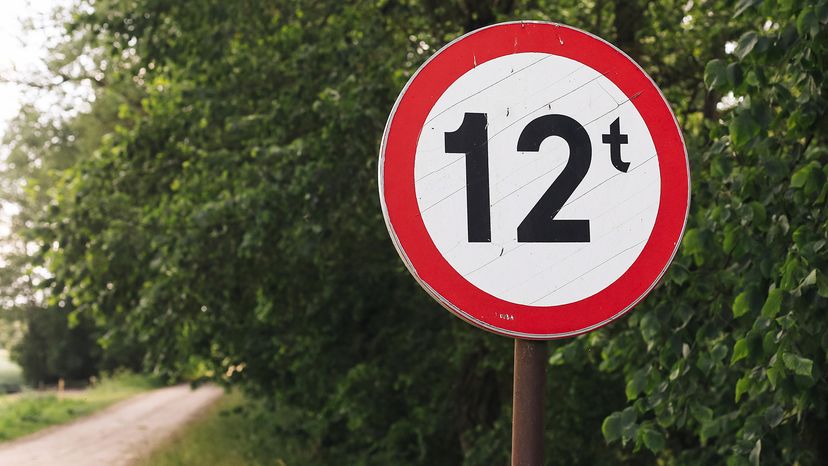
Weight limit road sign 12 tons
A ton is a large amount, but a tonne is even larger—and they sound exactly the same when spoken out loud. Pawel Michalowski / Shutterstock

If you’ve ever priced out cargo or read about a ship carrying coal, grain or bricks, you’ve seen tonnes vs. tons. These two words look similar yet refer to different systems and units. In international trade and technical writing, that small spelling shift changes real-world numbers.

Advertisement

Definition and Origin of the Metric Tonne

A tonne, also called a metric ton or metric tonne, is a metric unit of mass equal to 1,000 kilograms (about 2,204 pounds).

The word "tonne" comes from French and the metric system, which most countries use for measuring weight and distance. During the 20th century, the metric system (including the tonne) became the standard for science, engineering, and international commerce.

Advertisement

The Imperial Ton: Short vs Long

The word "ton" belongs to the Imperial system and U.S. customary system. In Imperial measurement you will encounter two common kinds:

  • Short ton (U.S. ton): 2,000 pounds (about 907 kilograms)
  • Long ton (British or imperial ton): 2,240 pounds (about 1,016 kilograms)

When a document says “ton,” context matters. U.S. trade reports usually mean the short ton, while older U.K. sources often mean the British long ton.

Advertisement

NIST’s Handbook 44 explains these definitions in its Units and Systems of Measurement appendices, and the UK’s Weights and Measures Act 1985 banned the use of the Imperial ton for trade, effectively mandating the metric tonne.

Advertisement

Quick Equivalents and Conversions

  • 1 tonne (t) = 1,000 kg = about 2,204 lb
  • 1 short ton (U.S. ton) = 2,000 lb (907 kg)
  • 1 long ton (imperial ton) = 2,240 lb (1,016 kg)

To compare quickly: 1 tonne is essentially 1.102 short tons or 0.984 long tons.

Advertisement

Where Each Unit Is Used

Dockworker checking the precise placement of a container on a ship
A dockworker checks the precise placement of a container on a ship. Anneka / Shutterstock

The majority of countries use the tonne because the metric system is standard in international trade. Canada measures export commodities in tonnes, though domestic contracts may still reference the U.S. ton. The U.K. uses the metric tonne in modern trade, with the long ton appearing in historical data.

The USA commonly uses the short ton for domestic sales, yet science, medicine and many industries specify kilograms. In world trade and surface logistics, stating kilograms alongside tons or tonnes helps parties in different systems compare figures.

Advertisement

Tonnage, Capacity and What 'Ton' Can Mean

Writers sometimes use ton to refer to capacity rather than mass. In shipping, tonnage can mean volume, such as a register ton of 100 cubic feet, not weight. For example, a ship’s gross tonnage is measured in register tons of 100 cubic feet each.

NIST notes this dual use in Handbook 44’s General Tables and Units. Always check whether a figure refers to mass or capacity before you calculate freight charges or limits for surface transport.

Advertisement

Style Notes: Spelling and Terminology

Use tonne for the metric system and ton for the imperial system. When you must use ton, write short ton or long ton to clarify.

In line with “ton vs” and “ton and tonne” search habits, add the metric equivalent in kg for clarity. This approach reduces confusion in contracts, invoices and specs.

Advertisement

Worked Examples You Can Copy

Coal cargo
Coal cargo. Anom Harya / Shutterstock
  • Coal cargo: A ship loads 50,000 tonnes of material. That equals 50 million kilograms and about 55,116 short tons. A similar manifest listing 50,000 short tons equals 45,359,237 kilograms. Same surface route, different unit, different mass.
  • Bricks on a flatbed: A U.S. order calls for 3 short tons (2,722 kg) of bricks. A Canadian spec that reads 3 tonnes means 3,000 kilograms. The numbers look close yet are not equal.
  • Comparing units: 10 long tons of steel bar equals 22,400 pounds (10,160 kg). Compared to 10 tonnes, that long-ton order is heavier by about 160 kilograms.

Advertisement

Writing for Trade and Engineering

When measuring weight for global trade, always state the unit and, in parentheses, the equivalent in kilograms. Note which systems your readers expect.

In the USA, short tons appear in commodity reports, but international contracts usually specify tonnes. In the UK and Canada, tonnes are standard.

Advertisement

In specs, define terms the first time you use them so readers understand what each unit means on the surface.

Quick Definitions

  • Metric tonne (tonne): Metric unit equal to 1,000 kg
  • Imperial ton: Either the long ton (2,240 lb or 1,016 kg) or a generic reference to ton in the imperial system
  • Short ton (U.S. ton): 2,000 lb (907 kg)
  • Long ton (British ton): 2,240 lb (1,016 kg)
  • Metric unit: A unit from the metric system, like kilogram, meter or liter
  • Mass vs. weight: Mass is the amount of matter; the force of gravity acting on that mass. Many industries use “weight” when they really mean mass.
  • Means: In specs, “ton” means different things by country or era, so always define it the first time
  • Origin: Ton comes from “tun,” a large cask or barrel. Tonne entered English via French during metric adoption in the 19th century.

We created this article in conjunction with AI technology, then made sure it was fact-checked and edited by a HowStuffWorks editor.

Advertisement

Advertisement

Loading...