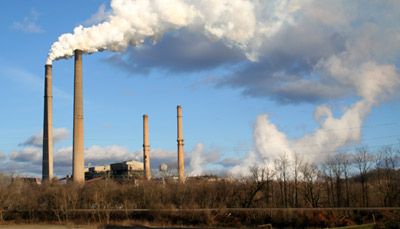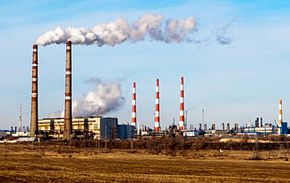
iStockphoto/Thinkstock
If you’ve ever lived in or visited a big city, you’ve probably seen a city bus with a sign on the back that reads: “This bus is running on clean natural gas.” Until recently, natural gas was thought of as one of the cleanest fossil fuels. Yet new studies say it may be worse for the ozone layer than coal -- a fuel well-known for its harmful emissions. To understand this controversy, we need to first understand how natural gas works.
Advertisement