What Country Has the Most Tornadoes in the Entire World?

By: Wren Corvayne  | 
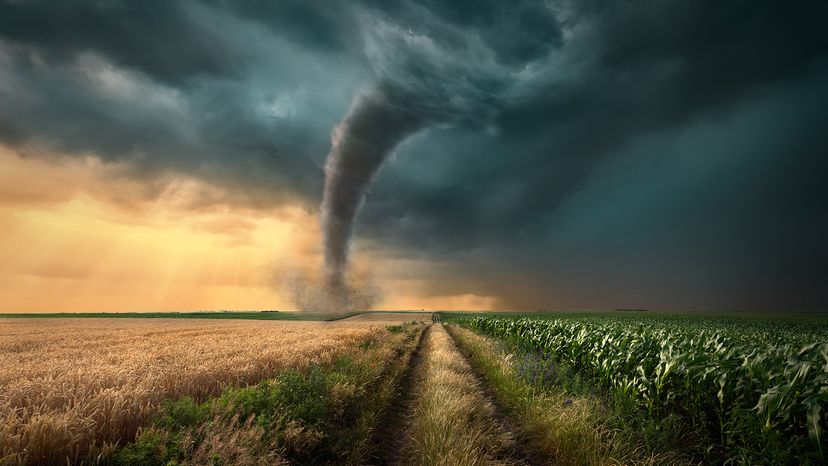
The U.S. has the perfect mix of geography and climate to facilitate these devastating wind storms. Silverszay / Shutterstock

If you have ever wondered which country has the most tornadoes, the answer is the United States. No other country on Earth experiences as many tornadoes per year. Meteorologists estimate the entire USA averages more than 1,000 tornado reports annually.

These destructive tornadoes can form from severe thunderstorms when warm, moist air combines with cooler, drier air and wind shear. The clash fuels severe thunderstorms capable of producing violent tornadoes, damaging winds, heavy rain, and flooding.

Advertisement

Because of its unique geography and climate, the United States sees more frequent tornadoes than any other country in the world.

Why the United States Has the Most Tornadoes

The central part of North America often provides favorable conditions for severe storms. Warm, moist air flows north from the Gulf of Mexico while cooler air masses sweep south from Canada across the plains states and Midwest.

When these air masses collide, powerful thunderstorms develop. Within these storms, rotating winds can produce tornadoes that cause great damage across the same area where the storms form.

Advertisement

This region—often called Tornado Alley—includes states such as Kansas and Oklahoma. Southern states and parts of the Southeast also see strong tornadoes, especially during spring and early summer.

Tornado Activity and Tornado Reports

Scientists track tornado activity using tornado reports collected by weather agencies. These records help researchers track the number of tornadoes reported each year.

According to research discussed by the American Meteorological Society and studies published in the Monthly Weather Review, the United States experiences the highest frequency of tornadoes per year anywhere in the Northern Hemisphere (which makes sense—if you have the most in the world, you also have the most in your hemisphere).

Advertisement

Some years bring large tornado outbreaks where multiple tornadoes form during the same severe weather event. These storms can produce deadly tornadoes capable of significant damage and destruction.

Other Countries With Tornadoes

Tornadoes occur in many countries across the world, but most see far fewer events than the United States.

Canada ranks second for tornado frequency. The prairie provinces and southern Ontario experience frequent tornadoes during summer when warm, moist air meets cooler northern air.

Advertisement

Other countries also report tornado activity, including Mexico, England, and several European countries. Parts of South America and New Zealand occasionally see tornadoes as well.

However, the combination of geography, climate, and atmospheric conditions in the central United States produces far more tornadoes than any other country.

Advertisement

Measuring Tornado Strength and Damage

Meteorologists classify tornado intensity using the Fujita scale and its updated version, the Enhanced Fujita scale. These systems estimate tornado strength based on the destruction left behind.

Weak tornadoes may damage trees or roofs, while violent tornadoes can destroy buildings and have estimated wind speeds exceeding 200 miles per hour (322 kilometers per hour).

Advertisement

Some of the most destructive tornadoes in history have occurred in the Midwest and Southeast, where severe weather outbreaks sometimes cause great damage and loss of life.

For example, powerful storms in Oklahoma, Kansas, and other central states have produced tornadoes that destroyed towns and killed hundreds of people.

Advertisement

Tornadoes and Seasonal Weather Patterns

Tornado frequency changes throughout the year depending on temperature and atmospheric conditions. Spring is typically the peak tornado season across the southern and central United States.

Summer brings tornadoes farther north into the Midwest and northern plains. In winter, tornadoes sometimes occur in the Southeast when warm Gulf air collides with cooler air masses.

Advertisement

Autumn generally brings fewer storms, though hurricanes or tropical systems moving inland can occasionally produce twisters across the Gulf Coast region.

Researchers continue studying severe weather patterns to better understand how tornadoes form and how climate conditions influence tornado frequency around the world.

We created this article in conjunction with AI technology, then made sure it was fact-checked and edited by a HowStuffWorks editor.

Advertisement

Advertisement

Loading...