8 Safest Airlines in the U.S. (Hint: No. 3 Crosses the Pacific Regularly)

By: Grant Virellan  | 
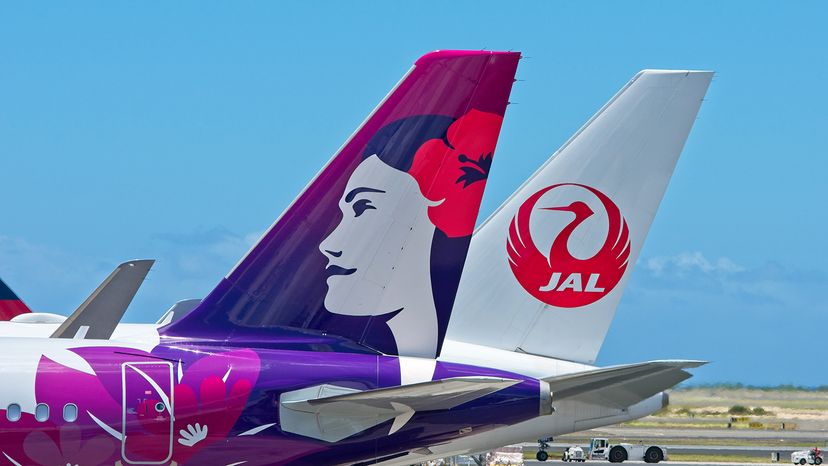
Long-haul flights require extensive safety measures—which the top entries on this list excel at meeting. A.Flassig / Shutterstock

If you're searching for the safest airlines in the U.S., you want hard data, not hype. Airline safety comes down to training, maintenance, operational reliability and how carriers respond to incidents.

Air travel remains among the safest way to move long distances. According to the National Safety Council, there were too few deaths in 2023 to calculate lifetime odds for a passenger on an airplane. That's really low—helpful perspective as we break down how standings in today’s airline industry.

Advertisement

Let’s rank 10 major US carriers based on safety record, accident history, and adherence to the highest safety standards.

1. Delta Air Lines

Delta Air Lines is listed on the IOSA Registry, whose IOSA program is designed to assess the operational management and control systems of an airline. The airline maintains a solid safety record with no fatal accident involving passenger operations in decades.

Delta invests heavily in pilot training, simulator time, and fleet renewal. Newer aircraft mean updated avionics, better weather radar, and smarter onboard systems.

Advertisement

The airline operates one of the largest fleets in the world, and larger carriers often benefit from deeper safety oversight and data tracking.

2. Alaska Airlines

Alaska Airlines consistently ranks near the top for operational reliability and customer satisfaction. While Alaska had a widely reported door plug incident in early 2024 that led to aircraft being grounded, investigators found no fatalities and the airline responded quickly with inspections.

Alaska Airlines flight crews complete rigorous pilot training programs and recurrent checks every year. The carrier focuses on tight maintenance schedules and data monitoring across its network.

Advertisement

Alaska’s transparent response to recent accidents and incidents shows how airlines continue to refine safety systems in real time.

3. Hawaiian Airlines

Hawaiian Airlines operates long overwater routes between "the mainland" and Hawaii. That demands strict safety planning, fuel management and emergency preparedness.

The airline’s safety record shows no recent fatal accident, and its fleet includes modern Airbus aircraft designed for extended operations over water.

Advertisement

Flying across the Pacific may sound dramatic, but twin-engine jets can be approved for ETOPS, which applies to operations conducted beyond defined diversion times from an adequate airport.

4. United Airlines

United Airlines is one of the largest U.S. airlines by fleet size and global network. United flight operations span hundreds of airports worldwide, which brings operational challenges such as bad weather and congested airspace.

United has experienced incidents over its long history, but its modern safety record reflects improvements in data analysis and training. The airline works closely with government agencies like the FAA and NTSB to determine root causes after events.

Advertisement

United also participates in IOSA audits through the International Air Transport Association (IATA), aligning with global airline industry standards.

5. American Airlines

American Airlines operates a massive fleet across domestic and international routes. Size increases exposure to risk, but it also brings robust oversight systems.

American’s airline's safety record has improved significantly over the past two decades. The carrier uses flight data monitoring programs that track thousands of parameters during every flight, helping teams spot trends before they become problems.

Advertisement

6. Southwest Airlines

Southwest Airlines built its brand on low-cost fares and high aircraft utilization. Quick turnarounds demand tight procedures and disciplined ground crews.

Southwest has faced scrutiny in the past two years over operational reliability during severe winter storms. Its point-to-point network differs from hub-and-spoke models used by other airlines, which changes how disruptions ripple across travel plans.

Advertisement

The airline had one accidental fatality in 2012 (though no fatalities attributed to crashes) and continues investing in systems upgrades.

7. JetBlue Airways

JetBlue focuses on customer satisfaction and seamless travel experiences. The airline operates a relatively young fleet, which supports strong maintenance outcomes.

JetBlue’s safety record shows no recent fatal accident. Like other U.S. carriers, it complies with FAA safety regulations and undergoes regular inspections.

Advertisement

Fleet commonality (using similar aircraft types) simplifies pilot training and maintenance procedures.

8. Allegiant Air

Allegiant Air operates as a low-cost leisure carrier, often flying from smaller cities to vacation destinations. Its business model differs from major network airlines.

Allegiant Air has faced FAA scrutiny in past years over maintenance practices, according to a U.S. Department of Transportation Office of Inspector General report. The airline has since addressed many findings and continues operating under federal oversight.

Advertisement

Regional operations in Alaska also deal with harsh weather and remote airports. These operational challenges increase exposure to risk, yet strict safety compliance helps maintain acceptable safety outcomes.

What About Low-Cost Airlines?

Spirit Airlines and Frontier Airlines compete aggressively on price. Low fares do not mean low safety.

Both carriers meet the same FAA safety regulations as larger carriers. Their accident history includes incidents, but no pattern of recent fatal accident events.

Advertisement

Ultra low cost models focus on efficiency, yet safety remains nonnegotiable across the airline industry.

Comparing US Airlines to Global Leaders

When analysts compare safest airlines worldwide, they often mention Air New Zealand, Qatar Airways, and Qantas. Air New Zealand and Qatar Airways consistently earn high marks for safety management systems, while Qantas has long promoted its accident-free jet era.

U.S. airlines operate under Federal Aviation Administration oversight, and some are listed on the IOSA Registry. The National Transportation Safety Board (NTSB) publishes detailed data after major accidents, adding transparency to the system.

In the end, travelers today should examine factors like safety record, fleet age, pilot training, and operational reliability when making informed decisions about their next flight.

We created this article in conjunction with AI technology, then made sure it was fact-checked and edited by a HowStuffWorks editor.

Advertisement

Loading...