Key Takeaways
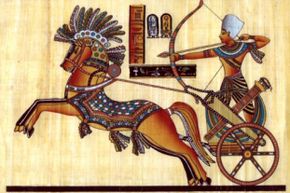
- The wheel revolutionized transportation and mechanical designs, influencing nearly all modern mechanical devices.
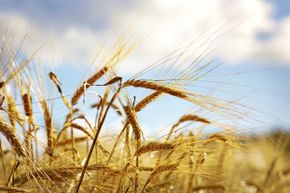
- Agriculture enabled settled societies, reducing the need to hunt and gather, and allowing for population growth.
- Antibiotics dramatically reduced mortality rates from bacterial infections, extending life expectancy.
When you stop to think about it, humans are pretty amazing animals. Not only have we managed to stick around in various forms for millions of years, but we've also grown into a population of more than 7 billion, scattered virtually all over the planet. And we've done it despite being fairly fragile creatures. We're not particularly strong; we lack a tough hide or fur to protect us from the elements; we don't do very well without a regular supply of food and water; and we're vulnerable to a lot of infectious diseases.
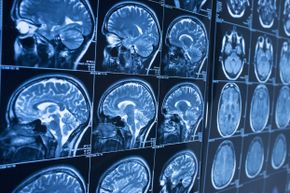
So what has enabled us to thrive to the point where, for the most part, we don't spend every waking moment worrying about whether we'll live to see another day? Our saving grace, perhaps, is our highly developed brain and its ability to experiment with, dream up and collaborate on ingenious solutions to life-threatening challenges. There are a multitude of inventions that modern humans depend on to sustain their existence, but here are a few we would find it extremely difficult to live without.
Advertisement