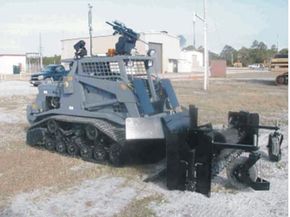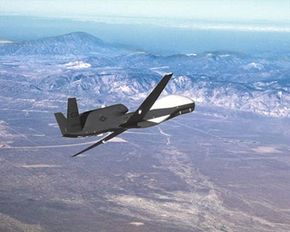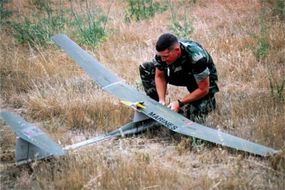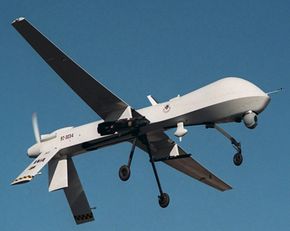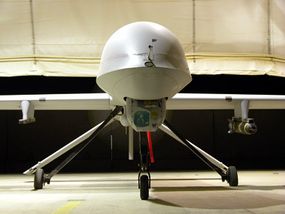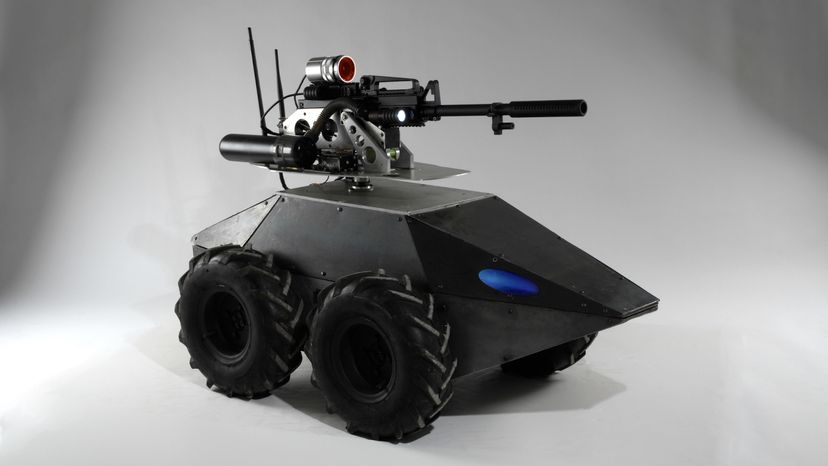
Everyone knows that being a soldier is a dangerous job, but some of the tasks that soldiers are required to do are more dangerous than others. Walking through minefields, deactivating unexploded bombs or clearing out hostile buildings, for example, are some of the most dangerous tasks a person can be asked to perform in the line of duty.
What if we could send robots into armed conflict instead of humans? Then, if something went wrong, we'd only lose the money it cost to build the robotic technology instead of losing human beings. And we could always build more robots.
Advertisement
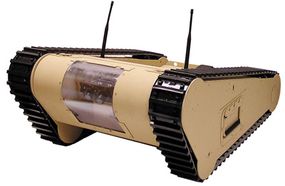
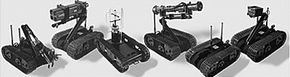
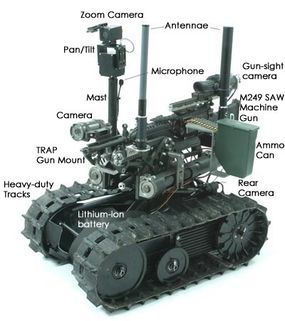
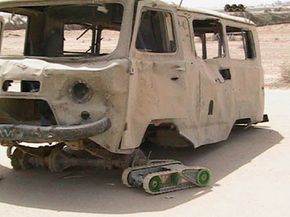
The U.S. military has been developing robotic systems for all sorts of jobs for years now, and some of them were even on the front lines in Iraq. In this article, we'll meet some of the military's latest robot soldiers, find out what sorts of jobs they can do, and get a glimpse of what the future holds for military robots. (However, if you're interested in some background on the subject of robots in general -- before you learn about military-specific robots -- check out How Robots Work.) Now, let's get started.
Advertisement