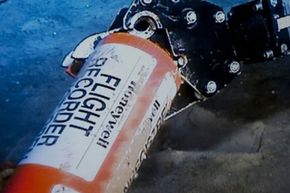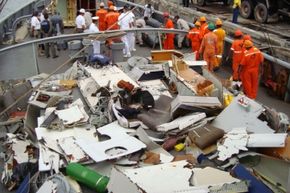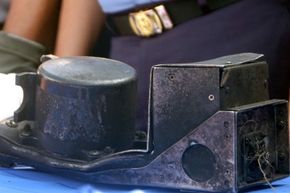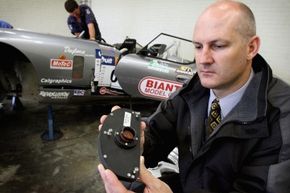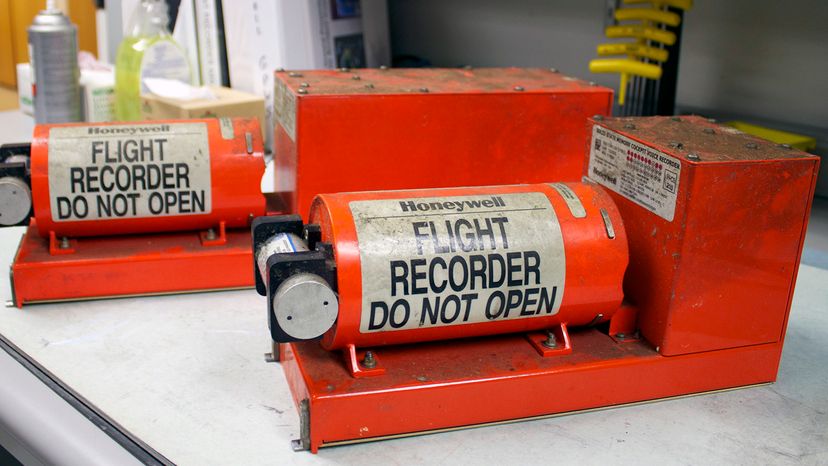
Divers in Indonesia finally recovered one of the flight data recorders from the Lion Air jet that crashed into the Java Sea on Oct. 29, 2018, with 189 people aboard. According to reports from AP, the flight data recorder should help investigators get some answers about what caused the two-month-old Boeing 737 MAX 8 to crash just after takeoff. The voice recorder should also provide the cockpit crew's voices, engine sounds, instrumentation warnings and other audio recording during the flight.
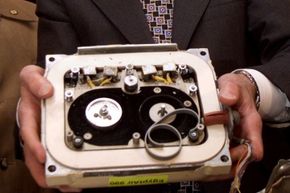
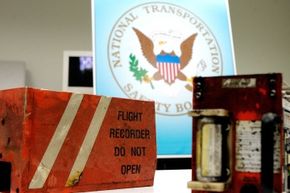
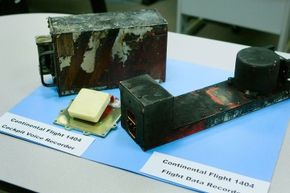
There are usually many unanswered questions when a plane goes down. That's why investigators turn to the airplane's flight data recorder (FDR) and cockpit voice recorder (CVR), also known as "black boxes," for answers. Following any airplane accident in the U.S., safety investigators from the National Transportation Safety Board (NTSB) immediately begin searching for the aircraft's black boxes.
Advertisement
Answers, unfortunately, don't always come fast though. It took investigators nearly two years to find the black box from Air France Flight 447, 447 which crashed on June 1, 2009, into the South Atlantic. The box had not only survived impact, but also being submerged under nearly 13,000 feet of salty, corrosive seawater. In the end, the data proved that pilot error had contributed to a stall that eventually caused the crash.
These recording devices, which cost between $10,000 and $15,000 each, reveal details of the events immediately preceding the accident. In this article, we will look at the two types of black boxes, how they survive crashes, and how they are retrieved and analyzed.
Advertisement