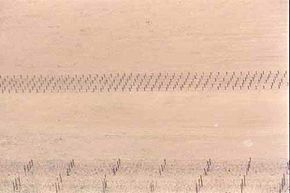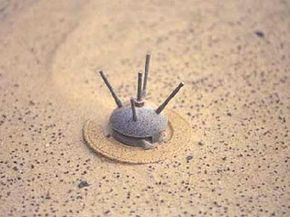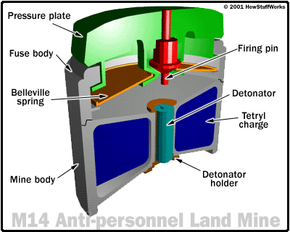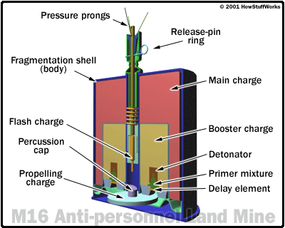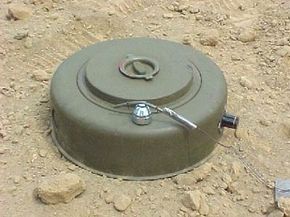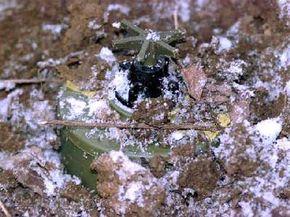
One of the most deadly legacies of the 20th century is the use of landmines in warfare. Anti-personnel landmines and antitank mines continue to have tragic, unintended consequences years after a battle has ended. As time passes, the location of these improvised landmines is often forgotten, even by those who planted them. These mines continue to lie dormant but functional, causing further damage, injury, and death even decades after they were buried.
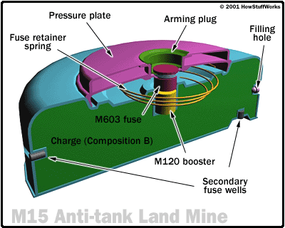
Landmines are basically explosive devices that are designed to blow when triggered by pressure or a tripwire. These devices are typically found on or just below the surface of the ground. The purpose of mines when used by armed forces is to disable any person or vehicle that comes into contact with it by an explosion or fragments released at high speeds.
Advertisement
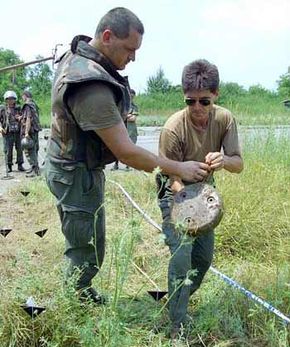
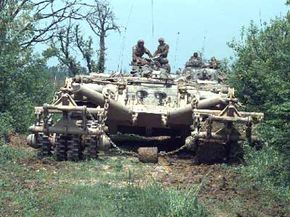
Currently, there are more than 100 million landmines located in 70 countries around the world, according to OneWorld International. Since 1975, landmines have killed or maimed more than 1 million people, which has led to a worldwide effort to ban further landmine use and clear away existing landmines. Now let's look at the different types of landmines, their basic operation, and the techniques used to clear minefields.