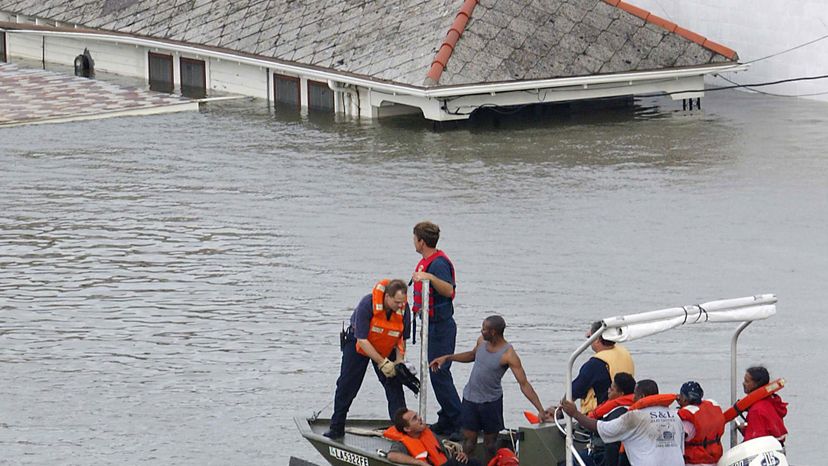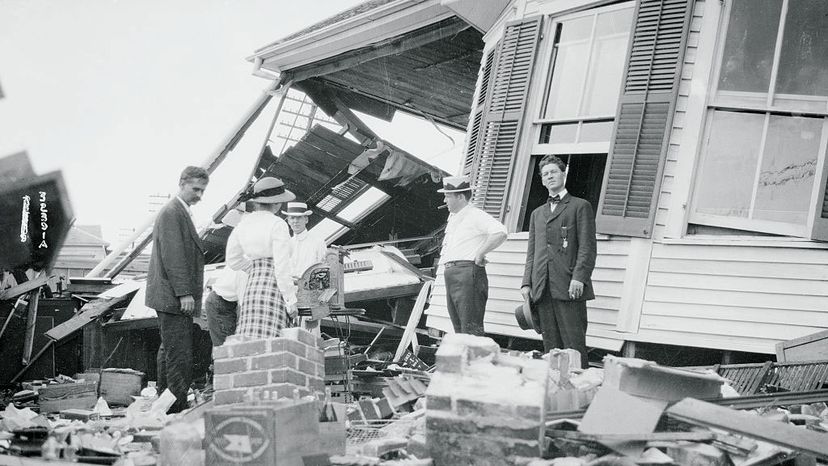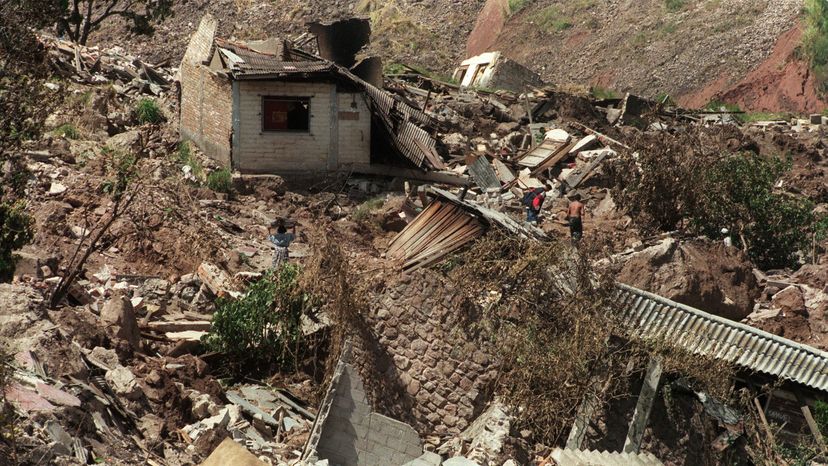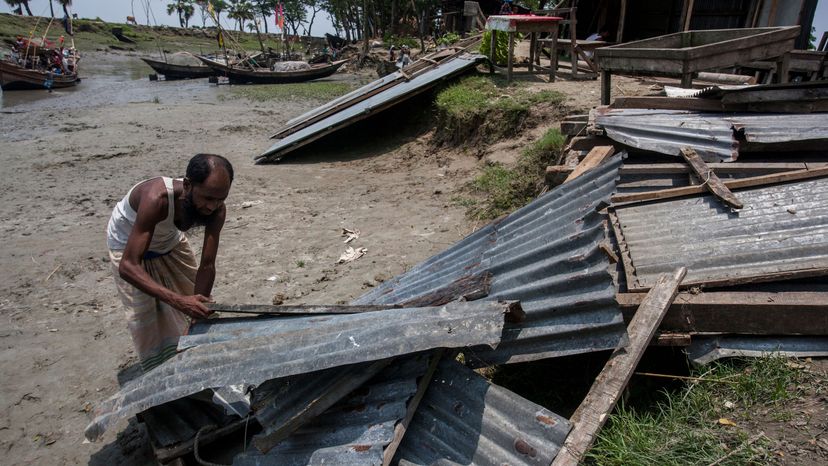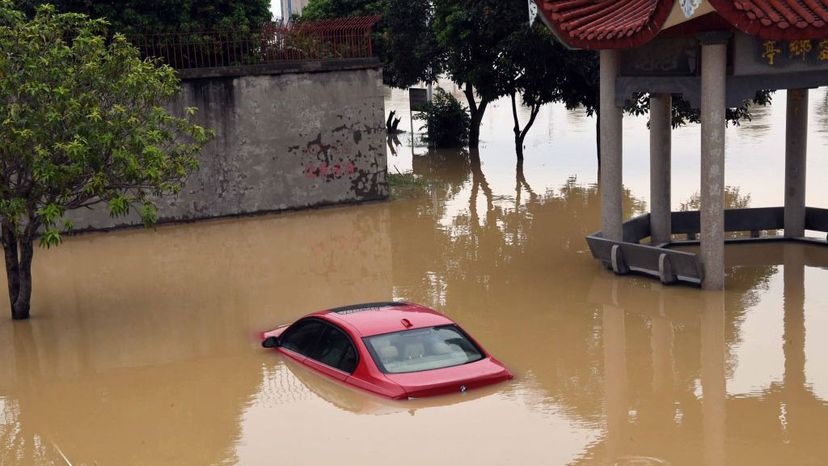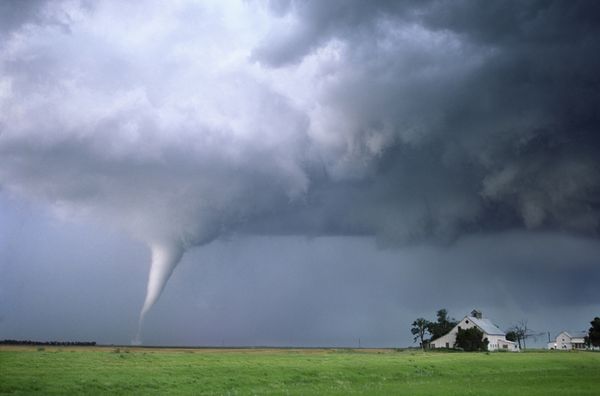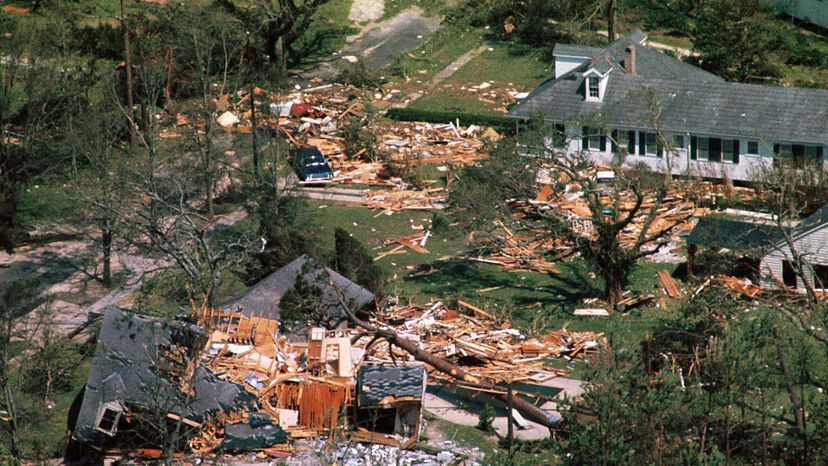
With the incredible forces they wield, storms are capable of changing thousands of lives in minutes. How can we compare the destructiveness of such awe-inspiring engines of nature? Do we tally the lives they claim? Weigh their lasting impacts on the cities and towns they raze? Assess their financial toll? All are valid criteria, but none alone is sufficient to encompass the scale and severity of truly titanic typhoons; that requires a holistic approach, one that takes into account the wide array of tangible and intangible harms wrought by their havoc.
Before we delve into the big 10, let's familiarize ourselves with a few naming conventions.
Advertisement
All circling weather patterns with low-pressure centers, whether they rotate clockwise or counterclockwise, are technically cyclones, a group that includes hurricanes and tornadoes, as well as huge systems like middle-latitude (or midlatitude) cyclones.
"Hurricane" and "typhoon" are two names for the same thing -- a strong tropical cyclone. They take on different names according to where they occur. The term "hurricane" refers to a tropical cyclone north of the equator in the Western Hemisphere; tropical cyclones north of the equator in the Eastern Hemisphere are called typhoons. In the Indian Ocean or the South Pacific, you would call such storms cyclones.
Since we're interested in the intensity and destructive power of storms, we also need to know how scientists classify them.
The Enhanced Fujita (EF) Scale measures tornado intensity on a 0-5 scale by estimating wind speeds based on damage. Interestingly, this means very powerful tornadoes can receive low EF ratings if they fail to run across anything significantly strong to destroy.
The Saffir-Simpson Hurricane Wind Scale places hurricanes into one of five categories according to their sustained wind speeds at a given time. It also offers estimates of the damage typically associated with such storms. In general, each increase in Saffir-Simpson category translates into a fourfold jump in destructive capacity.
In both scales, the higher the number, the worse the storm.
In this article, we'll look at 10 storms that topped the charts in destruction and death toll. Just to keep this from becoming a cyclones-only club, we'll also look at record-setting examples of other kinds of storms along the way.
Continue to the next page to begin your journey into the heart of the storm.