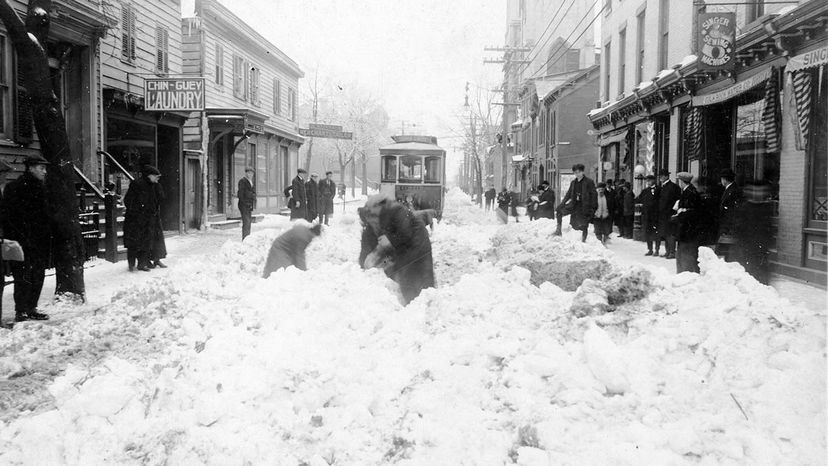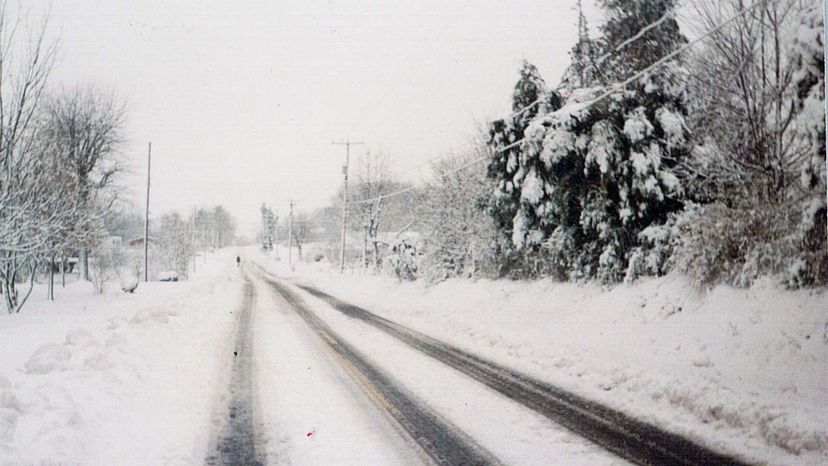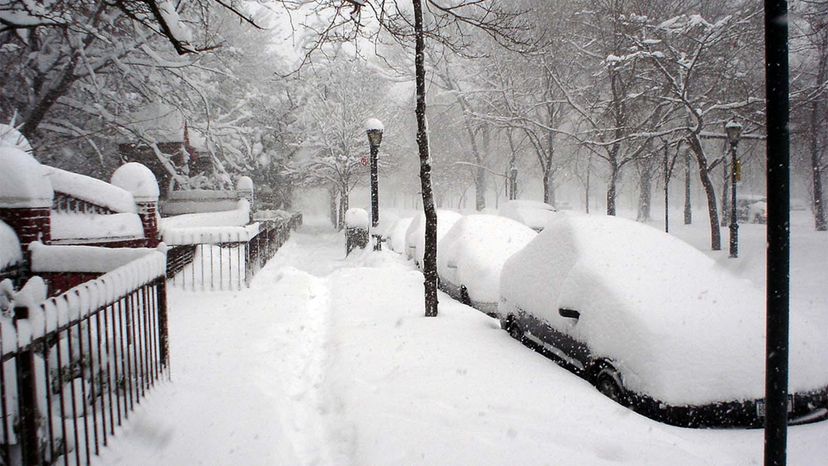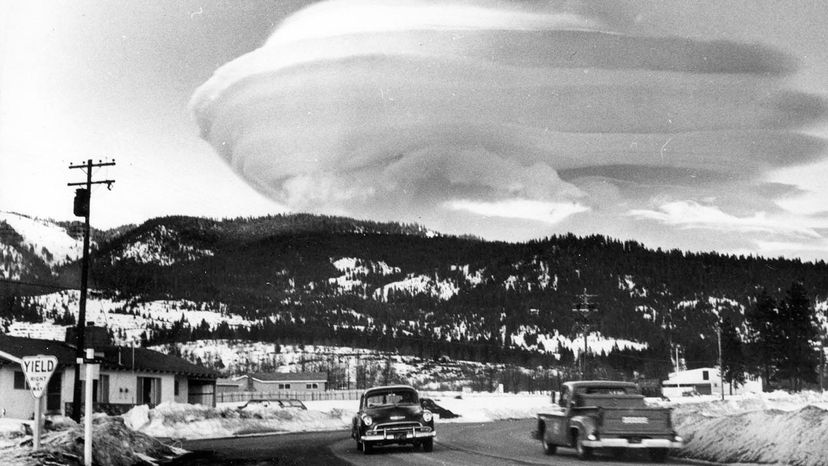
Anyone who's ever lived in a chilly climate knows snowstorms well. Sometimes the weather forecast gives ample warning, but other times these storms catch us by surprise. Plows struggle to keep roads clear, schools are closed, events are canceled, flights are delayed and everyone is stuck shoveling piles of the white stuff.
But there are those rare snowstorms that exceed all forecasts, break all records and cause mass devastation (even if it's devastation that will melt in a few days or weeks). These storms are the worst of the worst, weather events that seem more like elemental blasts of pure winter rather than a simple combination of wind, temperature and precipitation.
Advertisement
Defining the 10 "biggest" snowstorms can be tricky. For instance, a blizzard that might bring New York City to a screeching standstill could have school children in Moscow heading out to school wearing an extra pair of socks. Also, much of recorded history involved people telling their grandchildren, "You think this storm is bad? You should have seen the one that trapped us in our cabin the winter I turned 11."
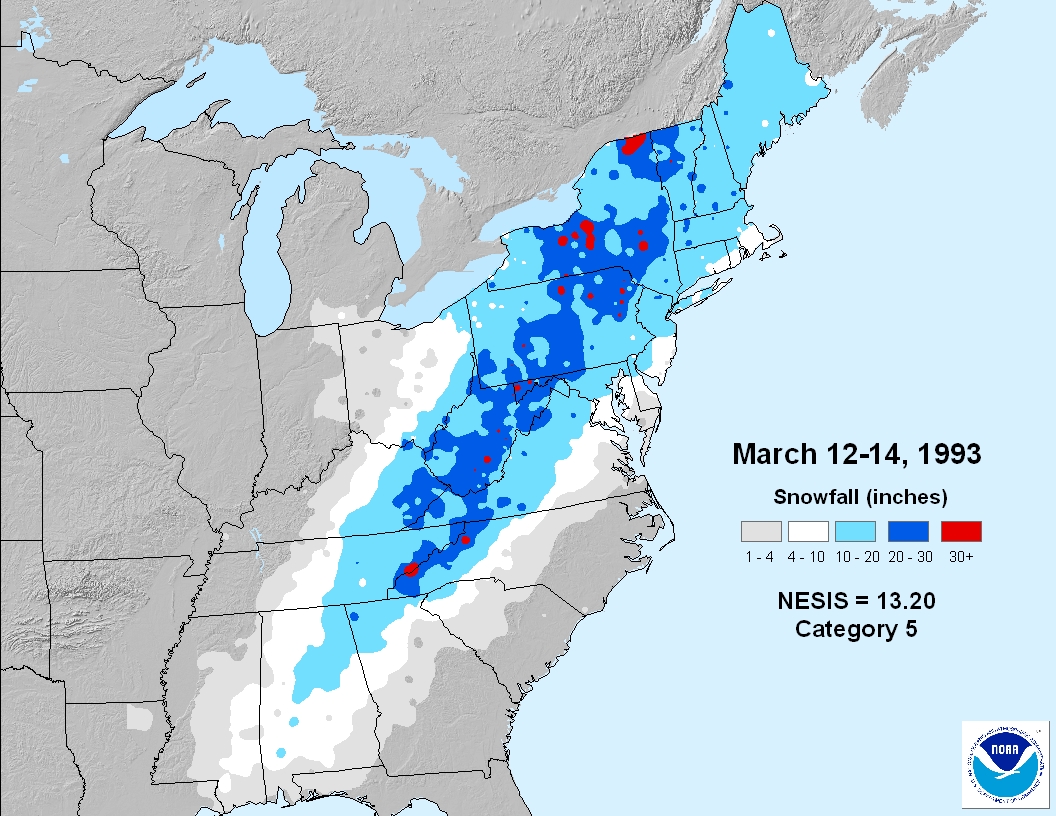
That being said, there are a few metrics we can use to assess the severity of a snowstorm, and it's not just volume of snow. The Northeast Snowfall Impact Scale (NESIS), was created in 2004 to characterize snowstorms in the Northeast U.S. similarly to how Fujita Scale rates tornadoes and the Saffir-Simpson Scale classifies hurricanes. NESIS takes in account a variety of factors and generates a single number that signifies a storm's severity, usually on a scale from one to 10 — and sometimes higher. NESIS takes into consideration that sometimes the worst storms in the Northeast involve relatively modest snowfalls whipped into zero-visibility by hurricane-force winds. Some storms are worse than others because they impact major urban areas, or are so widespread that they affect several major urban areas.
Timing can play a role as well; a storm that hits during weekday rush hour can wreak havoc the way one that hits on a Saturday morning won't, and a freak early storm when leaves are still on the trees can cause enormous amounts of damage. With those factors in mind, here is our list of the biggest snowstorms of all time, in no particular order.