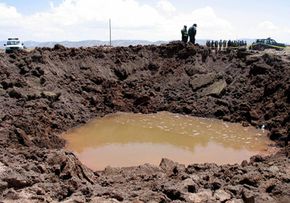
On the afternoon of Sept. 15, 2007, residents of a village near Lake Titicaca in southern Peru heard a loud roaring noise and looked up to see a ball of fire blazing through the sky. The object struck the earth, creating a loud noise, shaking the ground and launching debris as far as 250 meters away from the impact site [source: National Geographic News]. The event resulted in a crater measuring about 16 feet deep and 55 feet across [source: Living in Peru]. The impact of the object registered a 1.5 on the Richter scale [source: AP].
But before scientists could determine what happened, hundreds of local residents became sick. Up to 600 people in the area became ill, some of them after venturing to the site of the crater [source: Living in Peru]. Some of those who were ill said they felt nauseated, were vomiting and had headaches.
Advertisement
Besides the widespread illness, several other mysterious events occurred. Early reports included claims from residents that water in the crater boiled for several minutes after impact and that a smell of sulfur filled the air. All of these events generated worried speculation as to what exactly happened and why people were sick.
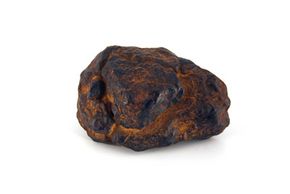
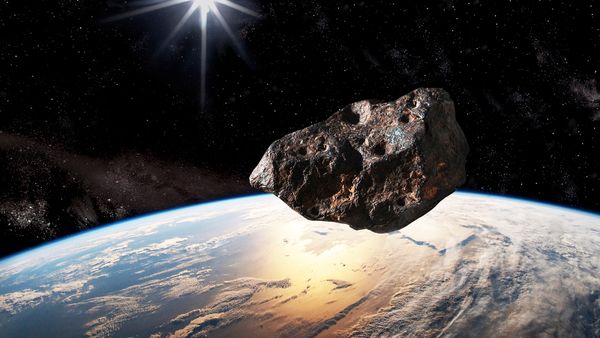
Many different ideas were put forth, several of them suggesting a meteorite impact. Some wondered whether a meteorite's impact released harmful gases and possible radiation. Another proposed that there wasn't a meteorite at all and that a natural geyser or small volcanic eruption might have expelled gases from underneath the soil. Other reports mentioned a "fireball" as a possible cause of the explosion. Finally, a sensational article syndicated in the Russian tabloid Pravda made its rounds on the Internet; the writer claimed that as part of an elaborate conspiracy, the U.S. government shot down its own spy satellite, which spilled its radioactive fuel upon crashing in the Andes.
The confusion was compounded by conflicting details in some reports, especially about symptoms of those who were sick, whether groundwater boiled, if a strange smell was present and even how large the crater was. Some scientists speculated that noxious gases were stirred up by the meteor impact, while others claimed that dust caused people to experience dizziness and nausea. But what really did happen near Lake Titicaca? Read on to find out.
Advertisement