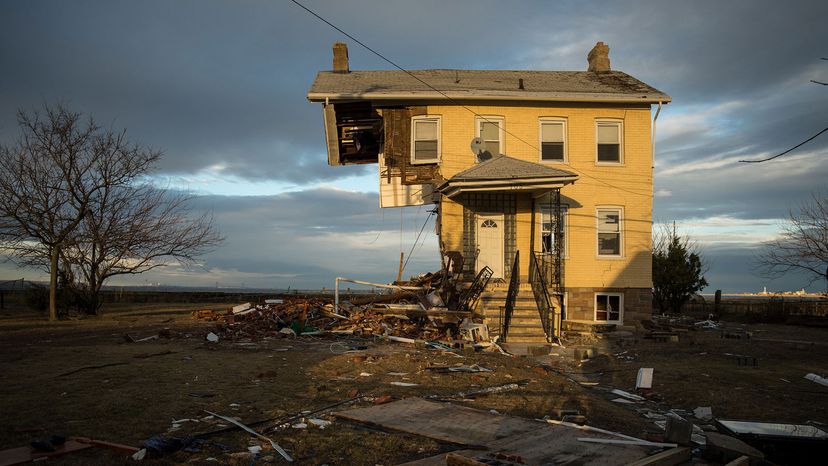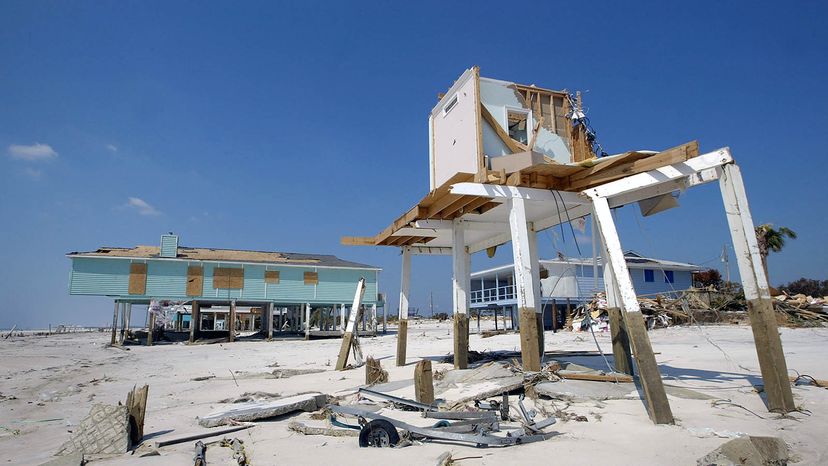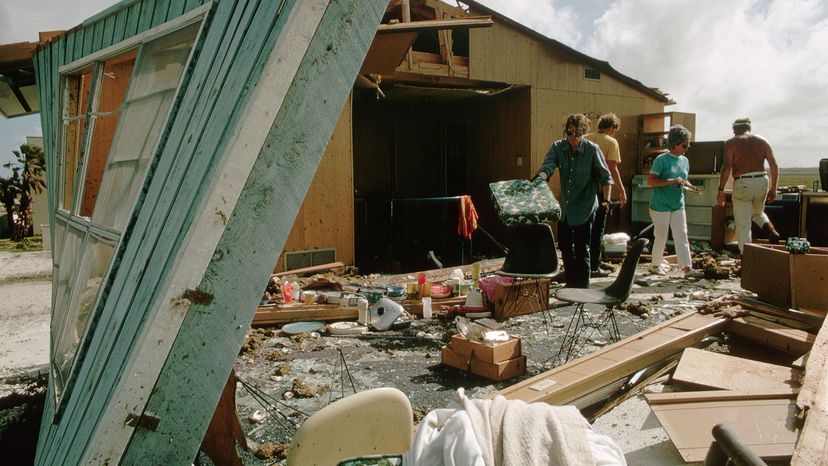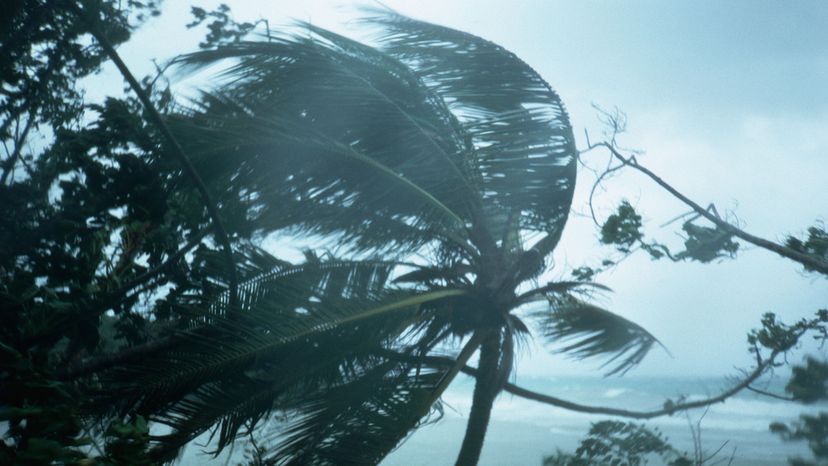
What begin as thunderstorms off the west coast of Africa can become hurricanes by the time they reach the Caribbean and the southeastern United States. Between 80 and 100 of these systems develop each year from June to November, but usually only a handful evolve into hurricanes that impact the United States. Check out some of nature's most catastrophic hurricanes.

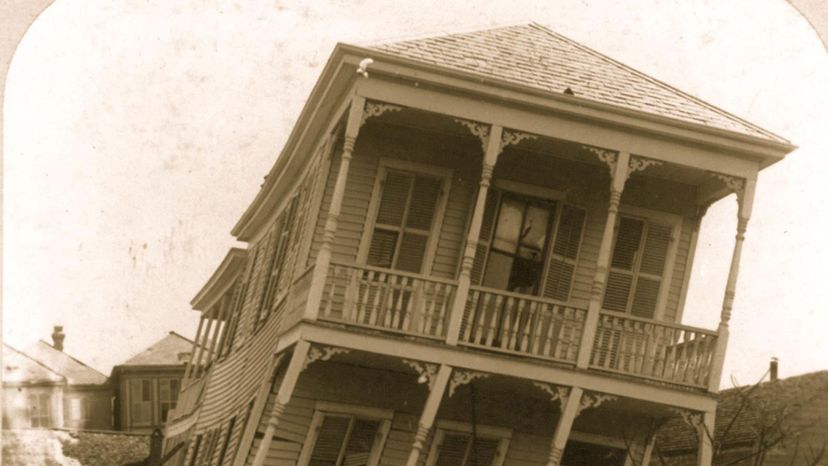
1. Galveston, Texas: September 1900

Climatologist Isaac Cline dismissed the notion that a hurricane could devastate the island city of Galveston, but when he noticed unusually heavy swells from the southeast, he drove his horse and buggy along the beach warning people to move to the mainland. Unfortunately, Cline's initially cavalier attitude about the storm may have played a part in the huge loss of life -- between 8,000 and 12,000 deaths -- because less than half the population evacuated and some people came from Houston just to watch.

The U.S. Weather Bureau ranked the storm a category 4 hurricane with wind speeds measured at 100 miles per hour before the measuring device blew away. Other records say winds peaked around 145 miles per hour. The hurricane wiped out about three-quarters of the city and caused nearly $20 million in damages.

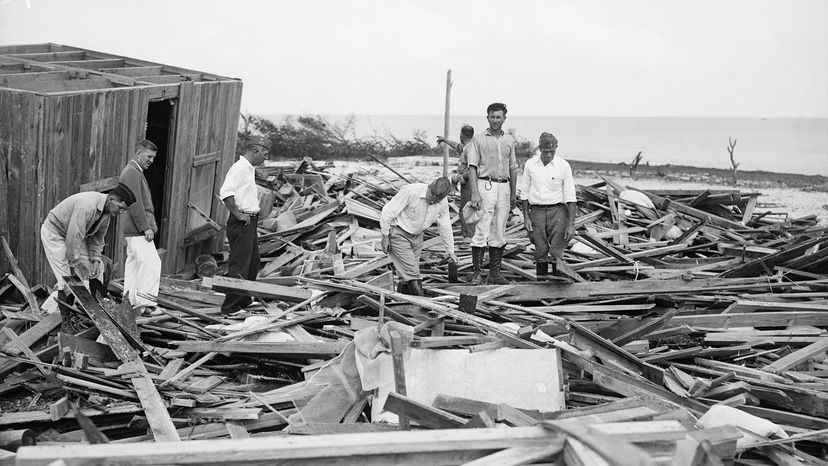
2. Florida Keys and Corpus Christi, Texas: September 1919

This was the only Atlantic hurricane to form in 1919, but it was a monster! With winds reaching 140 miles per hour, the category 4 storm originally made landfall in Key West, Florida, but continued over the warm waters of the Gulf of Mexico and struck again in Corpus Christi -- now downgraded to category 3, but with a 12-foot storm surge.

The storm cost more than $22 million in damages and killed between 600 and 900 people -- many of them passengers on ten ships lost in the Gulf of Mexico. Coincidentally, a boy named Bob Simpson survived the Corpus Christi leg of the storm, sparking his interest in hurricanes and eventually leading him to codevelop the Saffir-Simpson scale used to measure hurricane strength.

The Okeechobee Hurricane slammed into Palm Beach in September 1928 causing $100 million in damage.
The Okeechobee Hurricane slammed into Palm
Beach in 1928, causing $100 million in damage.


3. Okeechobee Hurricane: September 1928

Reaching category 5 strength when it slammed Puerto Rico, the storm then hit Palm Beach, Florida, with 150-mile-per-hour winds and little warning. Coastal residents were prepared, but 40 miles inland at Lake Okeechobee, the massive rainfall that accompanied the storm crumbled a six-foot-tall mud dike around the lake. The storm cost $100 million in damages and killed more than 1,800 people, although some estimates list the death toll as high as 4,000.

Continue on our path of destruction with hurricanes in New England and the Southeastern U.S on the next page.

Top 5 Most Intriguing Lists
While you can browse through hundreds of fascinating lists at Extraordinary Lists, here are 5 lists that we feel are certain to amaze and entertain: