
Famous Scientists
You may have heard the names Nikola Tesla and Marie Curie before, but do you know what they contributed to science? Here you can learn about some of the most famous scientists in the world.
Learn More
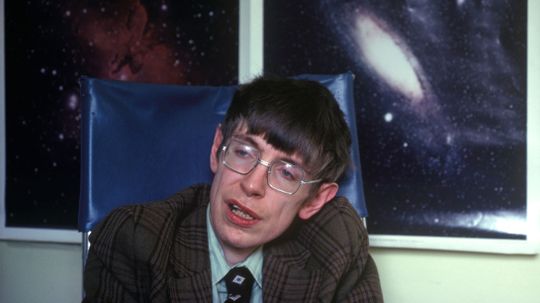
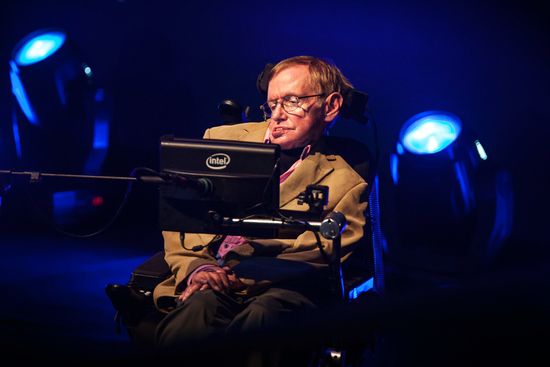
Physicist and cosmologist Stephen Hawking was a fierce spirit who symbolized the foibles and complexities inherent in human nature. Learn more about him by taking our quiz.

Payne-Gaposchkin, Cecilia Helena (1900-1979) was a British-born astronomer who became an authority on variable stars (stars that change in brightness) and the structure of the Milky Way Galaxy.
Al-Tusi, Nasir al-Din (1201-1274) was one of the greatest scholars of his time and one of the most influential figures in Islamic intellectual history.
Advertisement
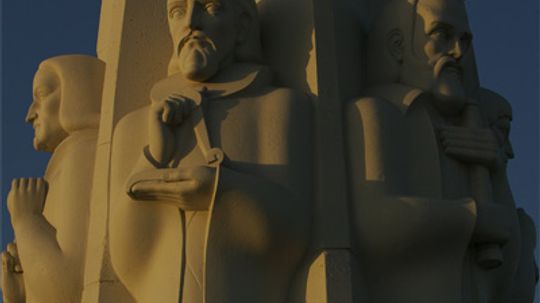
The man immortalized on the left was behind the three laws of motion and the universal law of gravitation. He was also competitive, temperamental and fascinated with alchemy. How well do you know Newton?
Berg, Paul (1926-), an American biochemist and molecular biologist, has been at the forefront of genetic engineering, both as an inventor of a pioneering procedure and as an advocate concerned about the risks of genetic research.
He built President Eisenhower an indoor golf-training machine, analyzed the Zapruder film and searched for an Egyptian pyramid's treasure chamber using cosmic rays. Aren't you dying to meet this wide-ranging scientist?
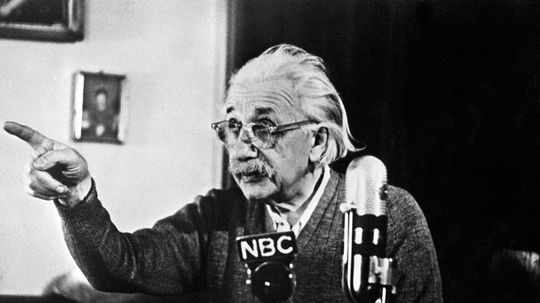
The man who had some theories about relativity was also an eccentric who gleefully eschewed socks, dodged German military service and spurned social conventions.
Advertisement
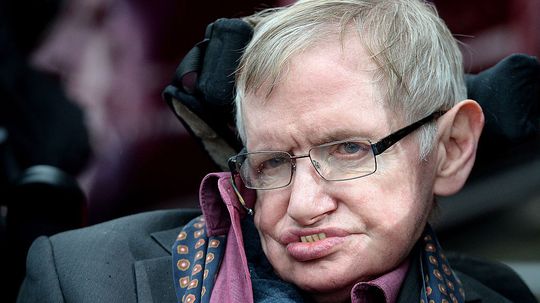
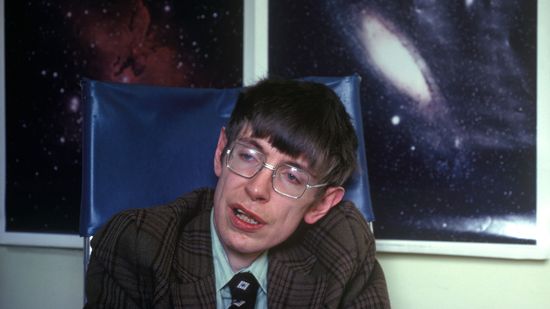
He ventured to the abyss of black holes, wagered on the information paradox and floated around in zero gravity. Meet the man, the legend, the super scientist: Stephen Hawking.
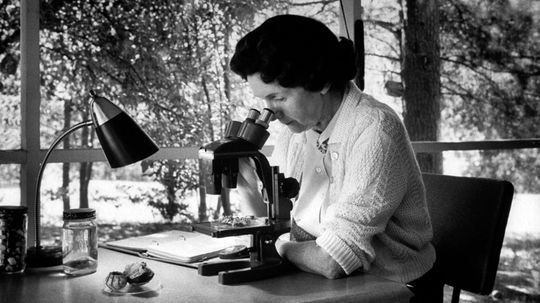
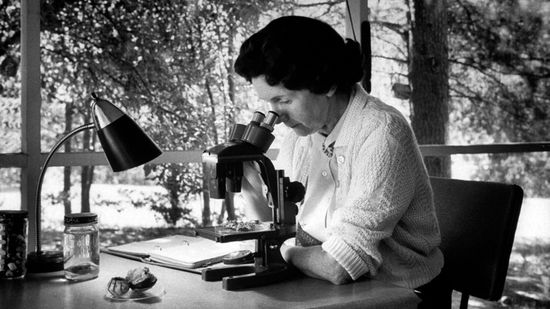
The late marine biologist Rachel Carson's groundbreaking book, "Silent Spring," debuted 60 years ago as one of the finest works of nature writing ever.
By Oisin Curran
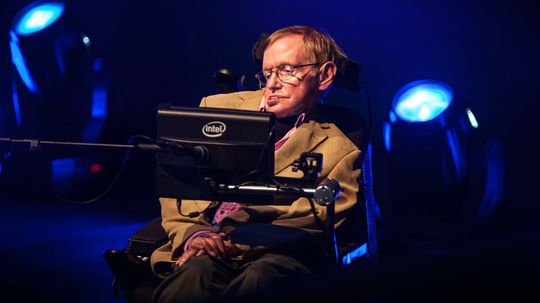
He was born exactly 300 years after Galileo died. He never won a Nobel Prize, although he was awarded a guest spot on "The Simpsons." What else do you know (or not know) about this acclaimed physicist?
By Jane McGrath
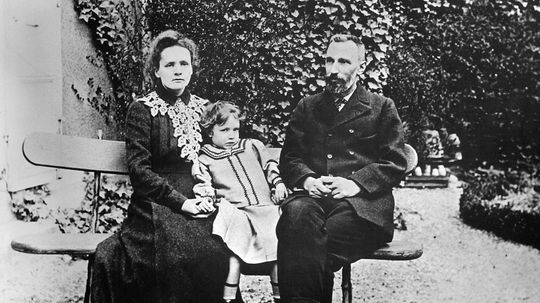
Having one Nobel Prize winner in the family is a huge accomplishment. But the extended Curie family had five winners - and one was even awarded twice. How did they get so smart?
Advertisement
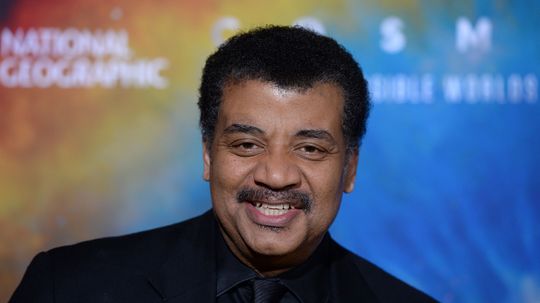
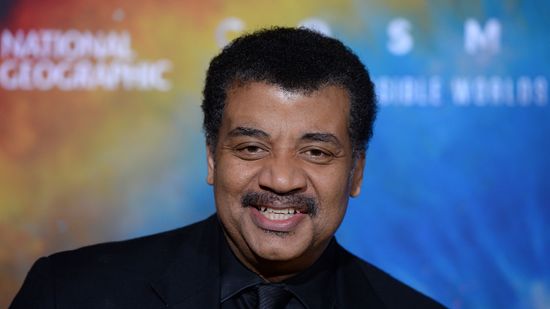
He starred with Superman, drove the getaway car at Pluto's demise and was voted sexiest astrophysicist by People magazine. Is there anything Neil deGrasse Tyson can't do?
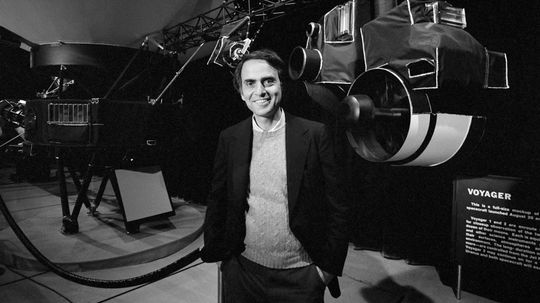
He is famous for a phrase he never said, for wearing turtlenecks and for hosting the original 'Cosmos' TV series. As enthusiastic about the stars as he was about marijuana, Carl Sagan led a very surprising life.
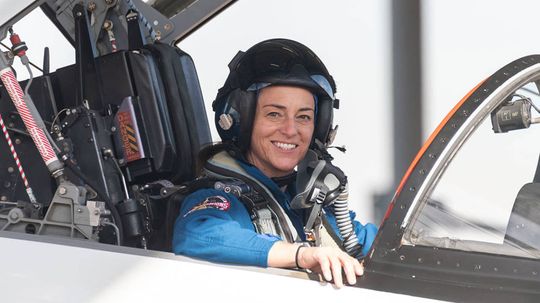
From astronauts to doctors to an archaeologist, we present eight scientists whose contributions to science, engineering and math were inseparable from their identities as Indigenous Americans.
By Dave Roos