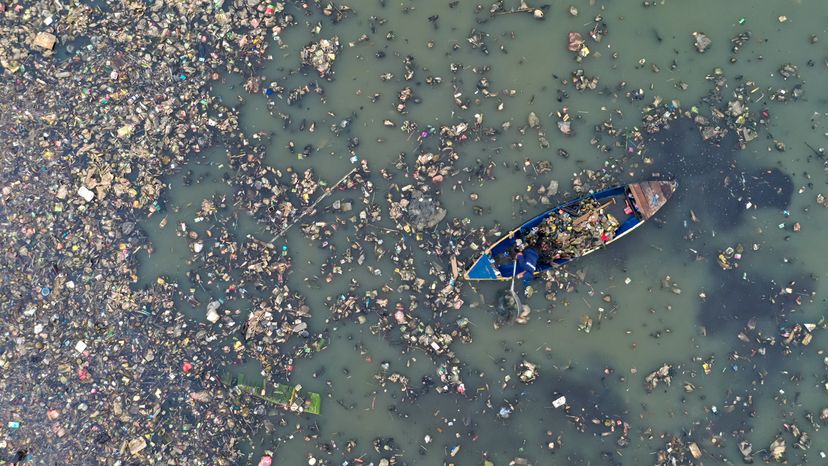
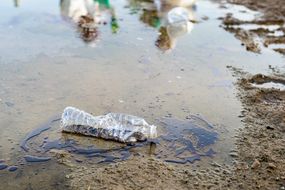
Back in 2016 alone, an estimated 0.8 to 2.7 million metric tons of plastic waste entered the ocean via global riverine systems. Yunaidi Joepoet / Getty Images
In the broad expanse of the northern Pacific Ocean, there exists the North Pacific Subtropical Gyre, a slowly moving, clockwise spiral of currents created by a high-pressure system of air currents. The area is an oceanic desert, filled with tiny phytoplankton but few big fish or mammals. Due to its lack of large fish and gentle breezes, fisherfolk and sailors rarely travel through the North Pacific Gyre.
But the area is filled with something besides plankton: trash, millions of pounds of it, most of it plastic. The Great Pacific Garbage Patch, also known as the Pacific trash vortex, is the largest landfill in the world, and it floats in the middle of the ocean.
After Charles Moore, a racing boat captain who originally discovered the patch in 1997 people have questioned: where does all this ocean debris come from? Most plastic in the ocean comes from land sources. Microplastics leach from landfills and water treatment plants into rivers, which then empty into oceans. In 2016, an estimated 0.8 to 2.7 million metric tons of plastic waste entered the ocean via global riverine systems.
Agriculture
Agricultural soil is full of microplastics, thanks to plastic mulch, plastic-coated seeds and plastic-containing fertilizers and pesticides. Some researchers estimate that agricultural soil may contain even more microplastics than the ocean.
Advertisement
This contaminated soil then makes its way into wastewater treatment facilities and rivers and, eventually, the ocean.
Aquatic Sources
tommyscapes / Getty Images
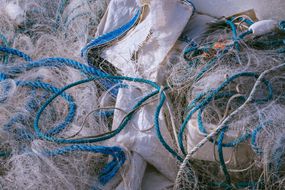
Although aquatic sources account for only a fraction of the 75 to 199 million metric tons of plastic debris in the ocean, they are responsible for most beach litter. Discarded fishing gear like synthetic fishing nets and plastic lines account for 10 percent of the floating plastic debris in the ocean.
Post-consumer Waste
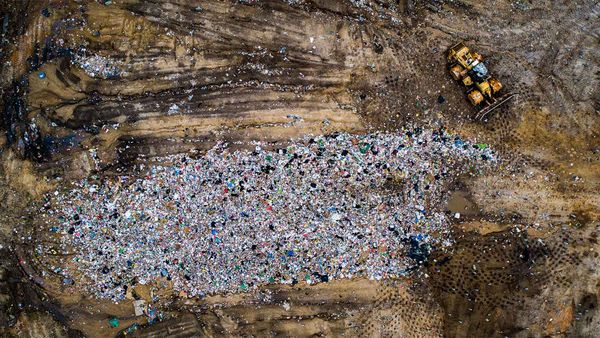
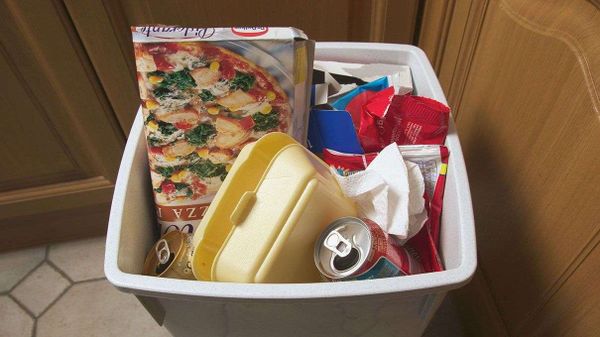
According to the United Nations Environment Programme, about 36 percent of plastic production goes towards packaging — think plastic bottles, lids, wrappers and bags — approximately 85 percent of which ends up in landfills or as "unregulated waste" (litter).
Any plastic item that ends up in the landfill or is otherwise discarded is highly likely to eventually find its way to the ocean.
What Countries are Most to Blame?
A study of the origins of the patch discovered that China, Japan, South Korea, the US, and Taiwan are likely responsible for contributing 87 percent of fishing waste to the North Pacific garbage patch annually.
The amount of garbage of Japanese origins suprised researchers. It appears the 2011 tsunami in Japan had a profound impact on the accumulation of debris in the North Pacific Garbage Patch. The immense and powerful tidal waves generated by the tsunami swept an unprecedented amount of waste into the ocean. The prevailing ocean currents then transported this debris across the Pacific, contributing significantly to the concentration of waste in the garbage patch.
This event illustrates how natural disasters can exacerbate existing environmental challenges, leading to a substantial influx of debris in marine ecosystems and highlighting the interconnectedness of natural phenomena and pollution. And with storms increasing in frequency and intensity due to climate change, this negative feedback loop will only likely increase in the future.
Advertisement
How Big is the Great Pacific Garbage Patch?
It's estimated at 1.6 million square kilometers which converts to 617,764 square miles. For comparison, the state of Texas is 268,597 mi² so it is almost 3x the size of the state and growing.
Advertisement
Where is the Great Pacific Garbage Patch Located?
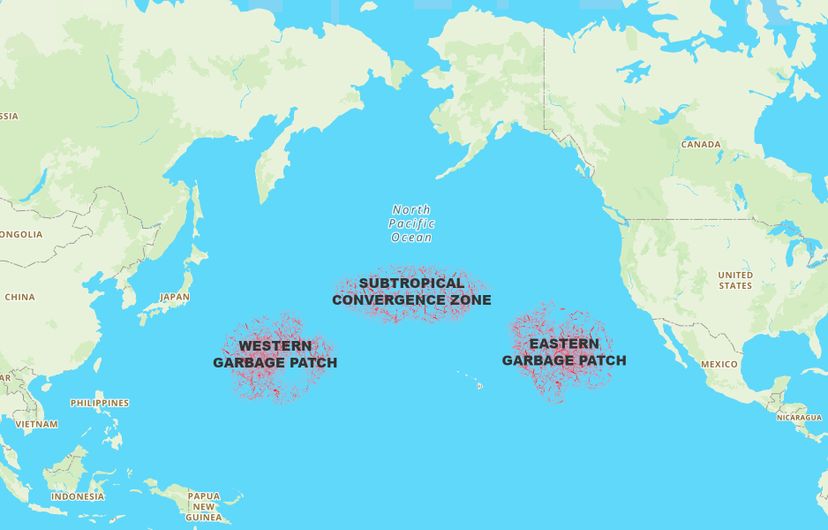
The term "Great Pacific Garbage Patch" often refers to two separate accumulations of marine debris in the North Pacific Ocean, primarily composed of plastics and other waste materials. These two patches are known as the Western Garbage Patch, located near Japan, and the Eastern Garbage Patch, located between Hawaii and California.
Rather than one large and continuous patch, the Great Pacific Garbage Patch actually consists of two mobile areas of relatively high concentrations of rapidly accumulating plastic trash, known as the Western and Eastern Pacific Garbage Patches. The Eastern Garbage Patch floats on the West Coast between Hawaii and California; scientists estimate its size as two times bigger than Texas [source: LA Times]. The Western Garbage Patch forms east of Japan and west of Hawaii.
Each swirling mass of refuse is massive and collects trash from all over the world. The patches are connected by a thin, 6,000-mile (9,656-kilometer) long current called the Subtropical Convergence Zone.
Advertisement
Research flights showed that significant amounts of trash also accumulate in the Convergence Zone.
Is this the only garbage patch in the ocean?
Unfortunately no, the Great Pacific Garbage Patch isn't the sole marine trash vortex; it's merely the largest and most well-known. Both the Atlantic and Indian Oceans also have their own trash vortexes. The ocean currents trap buoyant plastic in each of the world's five gyres and there are two in the North Pacific Ocean, two in the Atlantic Ocean, and one in the Indian Ocean.
Advertisement
The Problem With Plastic
Plastic waste constitutes at least 85 percent of all trash floating in the world's oceans.
The main problem with plastic — besides there being so much of it — is that it doesn't biodegrade. No natural process can break it down. (Experts point out that the durability that makes plastic so useful to humans also makes it quite harmful to nature.) Instead, plastic photodegrades.
Advertisement
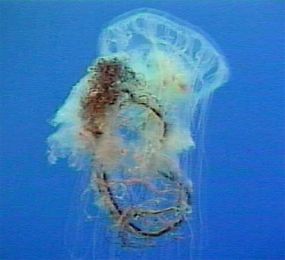
In the vast area of the Great Pacific Garbage Patch, jellyfish and other filter feeders frequently consume or become tangled in floating trash.
Image courtesy Algalita Marine Research Foundation
A plastic object cast out to sea will fragment into smaller and smaller pieces of plastic without breaking into simpler compounds, which scientists estimate could take hundreds of years. The small bits of plastic produced by photodegradation are called microplastics. (Some plastics start out as microplastics, like the microbeads in skin-care products and the microfibers in a fleece blanket.)
These tiny plastic particles can get sucked up by filter feeders and damage their bodies. Other marine animals eat the plastic, which can poison them or lead to deadly blockages. Microplastics also have the insidious property of "rafting" together and soaking up — and then spreading — pathogens and toxic chemicals.
Over time, even chemicals or poisons that are widely diffused in water can become highly concentrated as they're mopped up by microplastics. These poison-filled masses threaten the entire food chain, especially when eaten by filter feeders that are then consumed by large creatures.
Microplastics
The Great Pacific Garbage Patch doesn't always look like a typical landfill. In fact, you might sail right through the garbage patch without realizing it. That's because most ocean plastic pollution comes from microplastics, pieces of plastic less than 5 millimeters in length. The National Oceanic and Atmospheric Administration compares microplastics in the Great Pacific Garbage Patch to "flecks of pepper floating throughout a bowl of soup."
When we think about the major disasters affecting our oceans, we often remember specific incidents like oil spills. For instance, many recall the devastating impacts of the BP Deepwater Horizon spill in the Gulf of Mexico and the Exxon Valdez spill in Alaska. These spills caused immense damage to marine life, coastal areas, and human lives, leading to extensive cleanup efforts and accountability measures against the responsible companies. However, there is another ongoing disaster occurring every day—plastic pollution. Each year, 11 million metric tons of plastics, primarily made from fossil fuels, find their way into our oceans. This is equivalent to a continuous oil spill happening globally, every day.
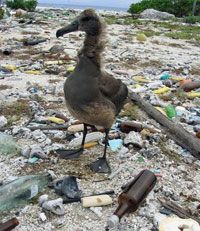
Plastic has acutely affected albatrosses that roam a wide swath of the northern Pacific Ocean. Albatrosses frequently grab food wherever they can find it, which leads to many of the birds ingesting — and dying from — plastic and other trash.
On Midway Island, which comes into contact with parts of the Eastern Garbage Patch, albatrosses give birth to 500,000 chicks every year. Two hundred thousand of them die, many of them by consuming plastic resin pellets fed to them by their parents, who confuse it for food [source: LA Times].
Advertisement
In total, more than a million birds and marine animals die each year from consuming or becoming caught in plastic and other debris.
Impact on Marine Ecosystems
More than 700 marine species are affected by plastic pollution: Seals get caught in fishing nets or strangled by fishing lines. Sea turtles can easily mistake buoyant plastics bags floating on the surface for jellyfish, then choke on the bags.
When plastic snags on coral reefs, the reefs are 20 percent more likely to develop disease.
Human Impact
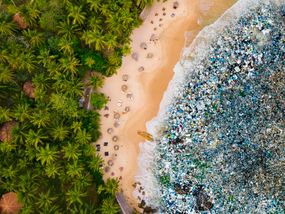
An impactful visualization depicting the unfortunate reality of pristine beaches marred by substantial amounts of trash, a consequence of being situated in the path of the relentless, circulating oceanic gyres. These rotating currents act as conveyors, transporting and depositing a plethora of waste onto the shores, highlighting the pressing and pervasive issue of marine pollution.
Anton Petrus / Getty Images
Besides killing wildlife, plastic and other debris damage boat and submarine equipment, litter beaches, discourage swimming and harm commercial and local fisheries. The problem of plastic and other accumulated trash affects beaches and oceans all over the world, including at both poles. Land masses that end up in the path of the rotating gyres receive particularly large amounts of trash.
If we are talking about human impact we must mention the trickle-down effect of the Great Pacific Garbage Patch on global warming. The World Wildlife Fund (WWF) states that as global temperatures rise, plastics degrade into methane and ethylene, compounds that accelerate the pace of climate change.
New Research Shows Ocean Life is Adapting to Their New Plastic-Ridden Environment
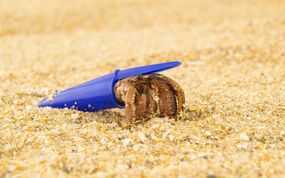
In a recent study by the Nature Ecology & Evolution journal, scientists have made a fascinating discovery in the North Pacific Subtropical Gyre, a region known for accumulating vast amounts of floating debris, including plastics. They have found that marine species, especially those from coastal regions, are using these floating plastics as rafts, traveling and even reproducing on them. This phenomenon, known as "rafting," has been known since the 19th century, but this study brings new insights, especially regarding the survival and reproduction of coastal species on these makeshift rafts in the open ocean.
Some animals are adapting to the new world we are creating with all this plastic waste.
Luis Diaz Devesa / Getty Images
The researchers collected 105 pieces of debris from the ocean and discovered that a whopping 98% had marine organisms living on them. Coastal species were present on over 70% of the debris, showing a surprising adaptability to life in the open ocean. These species were not just surviving; they were thriving and reproducing. The type of debris they were found on significantly influenced the variety of species present, indicating that the floating plastics are providing diverse habitats. The coastal species were more diverse and appeared more frequently than expected, dominating in terms of the variety and richness of species present.
This discovery challenges the long-held belief that coastal species can't survive in the open ocean. It reveals the resilience and adaptability of marine life and underscores how human-made materials, like plastics, are altering marine ecosystems. The presence and reproduction of coastal species on floating debris in the open ocean could have far-reaching implications for marine biodiversity and could lead to the spread of species across different oceanic regions. This study sheds light on the unintended consequences of plastic pollution in our oceans and its impact on marine life.
Advertisement
Fixing Our Marine Debris Problem
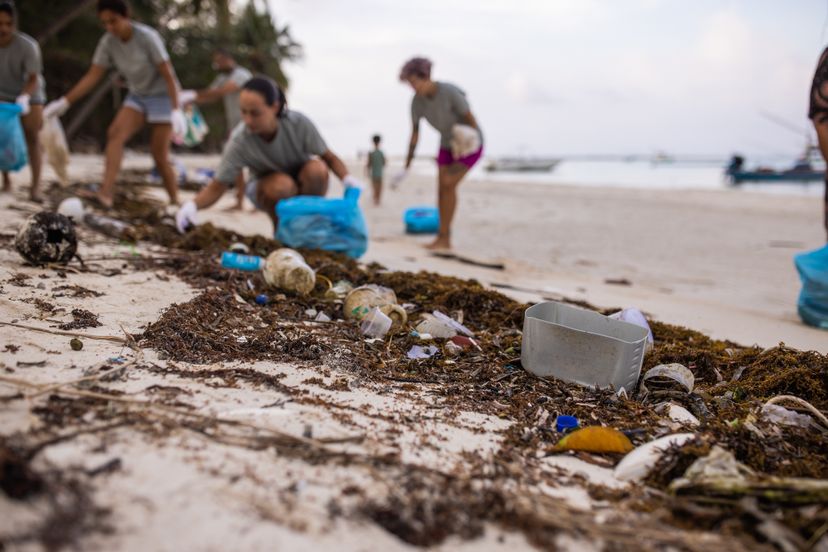
Cleaning beaches, while important, only addresses the symptoms of the pervasive issue of plastic pollution, not the root cause. It is a reactive approach that removes existing waste but doesn’t prevent new waste from accumulating. On the other hand, halting the production of plastics and managing waste effectively tackles the problem at its source, reducing the amount of plastic entering the environment and oceans. miodrag ignjatovic / Getty Images
Some efforts can help to stem the tide of refuse. International treaties prohibiting dumping at sea must be enforced. Untreated sewage shouldn't be allowed to flow into the ocean. Many communities and even some small island nations have eliminated the use of plastic bags.
On the Hawaiian Islands, cleanup programs bring volunteers to the beaches to pick up trash, but some beaches, even those subjected to regular cleanings, are still covered in layers of trash several feet thick. If you live in a coastal area, you can use the Marine Debris Tracker or Clean Swell app to send data about the beach litter you find to the NOAA Marine Debris Program.
Advertisement
Scientists who have studied the issue say that trawling the ocean for all of its trash is simply impossible and would harm plankton and other marine life. In some areas, big fragments can be collected, but it's simply not possible to thoroughly clean a section of ocean that spans the area of a continent and extends 100 feet below the surface [source: UN Environment Program].
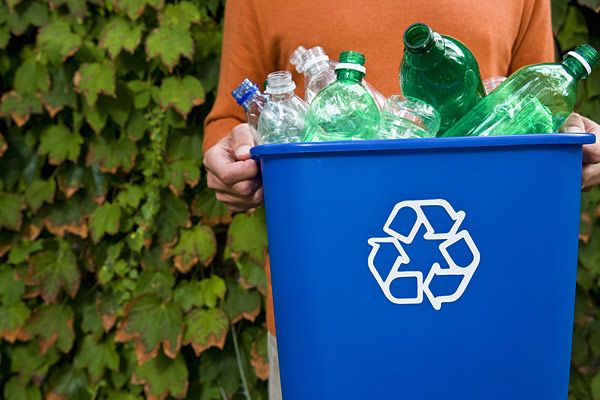
Nearly all experts who speak about the subject raise the same point: It comes down to managing waste on land, where most of the trash originates. They recommend lobbying companies to find alternatives to plastic, especially environmentally safe, reusable packaging.
Sources
Joleah B. Lamb et al., “Plastic waste associated with disease on coral reefs.” Science, 359, 460-462 (2018). DOI:10.1126/science.aar3320
Moore, Charles. "Out in the Pacific Plastic Is Getting Drastic." UN Environment Program. http://marine-litter.gpa.unep.org/documents/World's_largest_landfill.pdf
NOAA Office of Response and Restoration. “How Big Is the Great Pacific Garbage Patch? Science vs. Myth” Nov. 8, 2022. https://response.restoration.noaa.gov/about/media/how-big-great-pacific-garbage-patch-science-vs-myth.html
United Nations Environment Programme. “Drowning in Plastics – Marine Litter and Plastic Waste Vital Graphics.” 2021.
United Nations Environment Programme. “From Pollution to Solution: A global assessment of marine litter and plastic pollution.” 2021. https://www.unep.org/resources/pollution-solution-global-assessment-marine-litter-and-plastic-pollution
United Nations Environment Programme. "Marine Plastics Litter and Microplastics - Foresight Brief No. 002 - September 2017". Knowledge Repository - UNEP. UNEP. 2017. https://wedocs.unep.org/20.500.11822/22313
Weiss, Kenneth R. "Plague of Plastic Chokes the Seas." Los Angeles Times. Aug. 2, 2006. http://www.latimes.com/news/local/oceans/la-me-ocean2aug02,0,3130914.story
Advertisement
Frequently Asked Questions About the Great Pacific Garbage Patch
What is the biggest landfill in the ocean?
The Great Pacific Garbage Patch is the largest landfill in the ocean. It is a floating mass of trash that is twice the size of Texas and is located in the Pacific Ocean between California and Hawaii.
How big is the great pacific garbage patch?
It's estimated at 1.6 million square kilometers which converts to 617,764 square miles.
Where is the great pacific garbage patch?
The Great Pacific Garbage Patch is located in the North Pacific Ocean, roughly between Hawaii and California. It's situated in the North Pacific Subtropical Gyre, a system of circulating ocean currents. The garbage patch is not a fixed location; rather, it's a region where marine debris, primarily plastics, accumulates due to the movement of the gyre. The area is vast and is often described as being divided into two patches: the Western Garbage Patch, located near Japan, and the Eastern Garbage Patch, which is between Hawaii and California.
How did the great pacific garbage patch form?
The majority of oceanic plastic originates from land sources. Microplastics, which seep from landfills and water treatment plants, flow into rivers and subsequently into oceans, with 2016 estimates suggesting 0.8 to 2.7 million metric tons of plastic waste entering oceans through rivers. Agricultural practices introduce significant microplastics into the soil due to plastic mulch, coated seeds, and plastic-infused fertilizers. This polluted soil eventually reaches the ocean via wastewater systems and rivers. While aquatic sources, like discarded fishing gear, contribute a smaller portion to oceanic plastic, they account for the majority of beach litter, with fishing nets and lines making up 10% of floating plastic debris. The United Nations Environment Programme notes that 36% of plastic production is for packaging, with about 85% ending up in landfills or as litter, which often eventually reaches the ocean.
What keeps the garbage trapped in the great pacific garbage patch?
The Great Pacific Garbage Patch is primarily kept in place by ocean currents, specifically the North Pacific Subtropical Gyre. This gyre is a system of circulating ocean currents formed by the Earth's wind patterns and the forces created by the rotation of the planet. The movement of the water in the North Pacific Subtropical Gyre is clockwise, which draws in debris and keeps it trapped in its center. The convergence of multiple currents in this manner creates a relatively stable region where the floating debris accumulates. Additionally, the lack of significant wind and sea currents in the center of the gyre means that the accumulated debris remains largely undisturbed and trapped.
When did the great pacific garbage patch start?
Since the late 1980s, scientists have recognized the escalating issue of plastic waste in the world's oceans.
When was the great pacific garbage patch discovered?
Charles Moore, a racing boat captain who originally discovered the patch in 1997.
Cite This!
Please copy/paste the following text to properly cite this HowStuffWorks.com article: