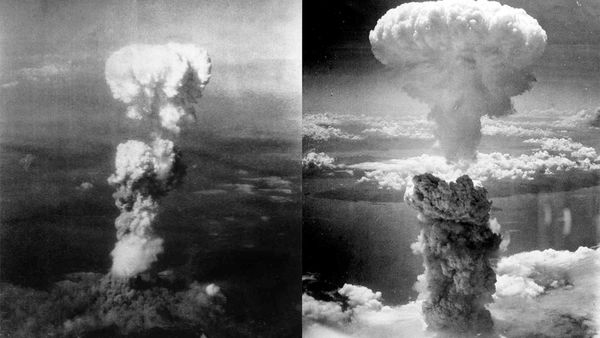
On Aug. 6, 1945, Paul Tibbets, pilot of the B-29 airplane named the Enola Gay, dropped an atomic bomb over the Japanese city of Hiroshima. Nicknamed "Little Boy," the bomb created an explosion equivalent to 15,000 tons of TNT, destroying nearly every building within a mile of ground zero and creating a massive firestorm that eventually engulfed the city. It's believed that 70,000 citizens died immediately after the blast, but the eventual death total may have reached as many as 100,000 by the end of the 1945 and 200,000 after 5 years due to the effects of radiation [source: U.S Department of Energy]. Three days later on Aug. 9 a second bomb was dropped on the industrial city of Nagasaki. Nicknamed "Fat Man," the second bomb killed about 40,000 people initially, and the death toll eventually reached 70,000 after the end of the year and 140,000 after 5 years [source: U.S. Department of Energy]. Japan surrendered to the Allied forces on Aug. 14, 1945, officially ending World War II.
Nuclear Bomb Image Gallery
Advertisement
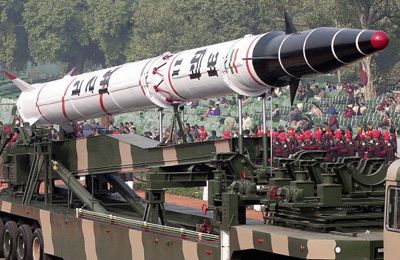
The development and use of the atomic bomb, the most powerful weapon created by the human race, is viewed as one of the most important and controversial events in the 20th century. Its terrifying ability to devastate an entire city and its symbol as a source of power sparked a tense nuclear arms race between the United States and the Soviet Union after the end of the war. Modern warfare had changed dramatically at the beginning of the century -- airplanes, machine guns and biological and chemical warfare were just a few of the technological advancements that caused widespread devastation and altered military tactics. But the atomic bomb was a different story. Some people thought its existence would put an end to all war, while others feared the potential annihilation of the human race.
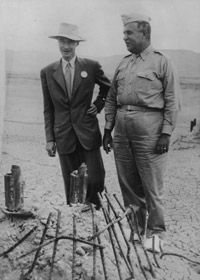
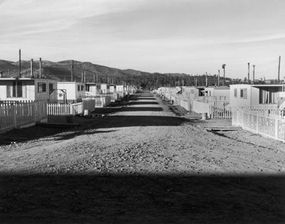
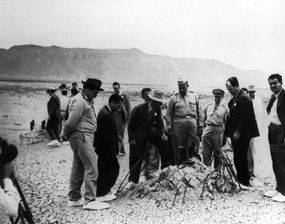
The Manhattan Project, the code name for the United States' secret plan to develop atomic weapons for use in warfare, was a broad designation for the people, geographic locations and resources involved in atomic research during World War II. Many were, and still are, split on the decision to use the bomb in Japan, including the very people who helped build it. Some feel it saved lives and ended World War II, while others argue the Japanese would have surrendered anyway.
How did they do it? Who was involved? Why did they call it the Manhattan Project anyway? In this article we'll take a closer look at the Manhattan Project and how a large network of scientists and military personnel managed to create the most powerful display of energy the Earth has ever witnessed.
Advertisement