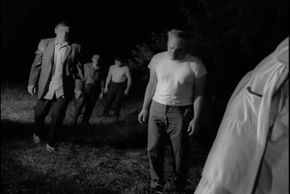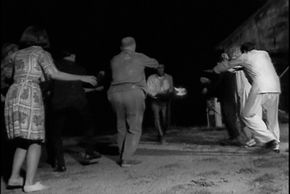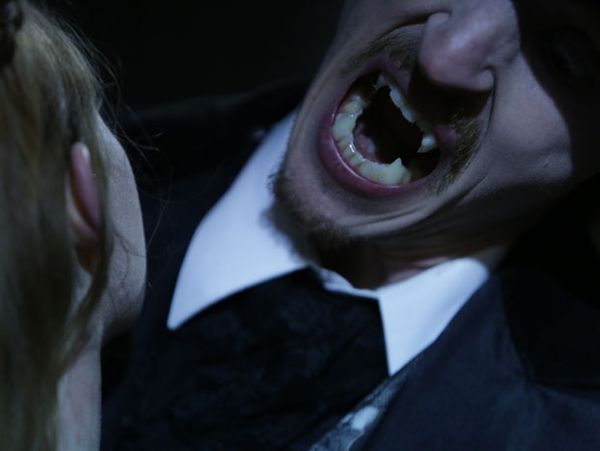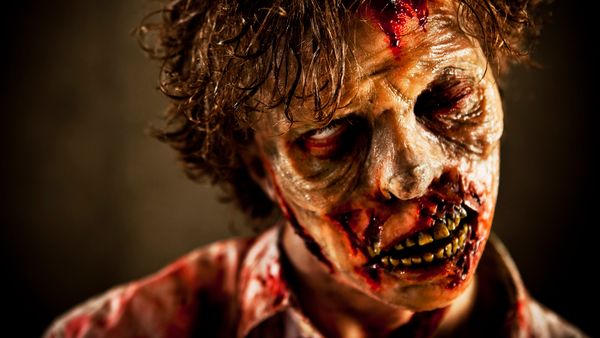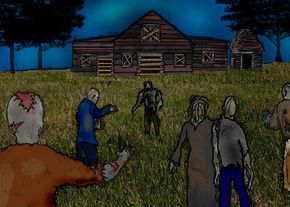
It happens in just about every zombie movie -- a throng of reanimated corpses lumbers toward the farmhouse, shopping mall, pub or army base where the heroes have barricaded themselves. The zombies aren't dead, but they should be. They're relentless and oblivious to pain, and they continue to attack even after losing limbs. Usually, anyone the zombies kill returns as a zombie, so they quickly evolve from a nuisance to a plague.
Like a lot of monsters, zombies have their roots in folklore and -- according to some researchers -- in real events in Haiti. In this article, we'll discuss Haitian zombies, explore depictions of zombies in films and video games and review the best course of action for surviving an attack.
Advertisement
Haitian Zombies
Zombies are common in Haitian stories and folklore. Researchers studying Haitian culture have related countless tales of bodies brought back to life by bokor, or sorcerers. These zombies are mindless slaves. They are not self-aware and are not particularly dangerous unless fed salt, which restores their senses. These stories are widespread and similar to urban legends -- they prey on the listener's deepest fears and seem believable in spite of their improbability.
Even after documenting numerous stories and rumors, researchers found little solid evidence to explain or prove the phenomenon. Often, the alleged zombies had received little or no medical care before their apparent deaths. Researchers also had trouble ruling out mistaken identity and fraud.
In 1980, a man appeared in a rural Haitian village. He claimed to be Clairvius Narcisse, who had died in Albert Schweitzer Hospital in Deschapelles, Haiti on May 2, 1962. Narcisse described being conscious but paralyzed during his presumed death -- he had even seen the doctor cover his face with a sheet. Narcisse claimed that a bokor had resurrected him and made him a zombie.
Since the hospital had documented Narcisse's illness and death, scientists viewed him as a potential proof for Haitian zombies. Narcisse answered questions about his family and childhood that not even a close friend could have known. Eventually, his family and many outside observers agreed that he was a zombie returned to life.
Narcisse was the impetus for the Zombie Project -- a study into the origins of zombies conducted in Haiti between 1982 and 1984. During that time, ethnobotanist and anthropologist Dr. Wade Davis traveled through Haiti in the hopes of discovering what causes Haitian zombies.
Next, we'll look at what Davis discovered.
Advertisement