Recycling is a pretty simple concept: take something that isn't useful anymore and make it into something new instead of just throwing it away. It can be anything from recycling old paper into new paper, to making an old hubcap into a decorative birdbath. In reality, recycling can get pretty complex -- how it interacts with our environment, our politics, our economy and even our own human behavior patterns will play a major role in the future of our planet. In this article, we'll look at what recycling is, why and how it works and some criticisms of the practice. What is Recycling?
Advertisement
Recycling can take many forms. On a small scale, any time you find a new use for something old, you're recycling. One example is making old cereal boxes into magazine holders [source: All Free Crafts].
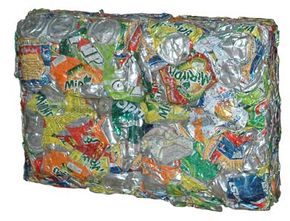
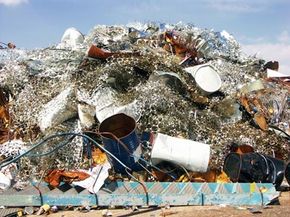
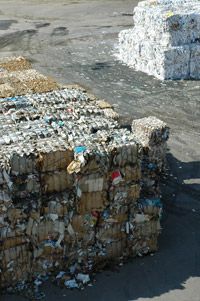
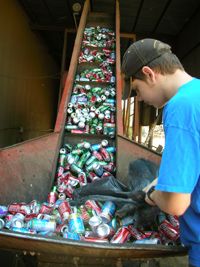
Recycling becomes more important on larger scales. At this level, used consumer goods are collected, converted back into raw materials and remade into new consumer products. Aluminum cans, office paper, steel from old buildings and plastic containers are all examples of materials commonly recycled in large quantities, often through municipal programs encouraging bulk household collections.
It's rare for a recycled product to be exactly the same as the original material from which it was recycled. Recycled paper, for example, contains ink residue and has shorter fibers than virgin paper (paper made from wood pulp). Because of this, it may be less desirable for some purposes, such as paper used in a copy machine. When a recycled good is cheaper or weaker than the original product, it's known as down-cycling (or downstream recycling). Eventually, goods move so far down the recycling stream it isn't feasible to recycle them any further. After being recycled a few times, paper is no longer usable. In some cases, goods can be up-cycled -- made into something more valuable than the original product. An example of this is a company making upscale, artistic furniture pieces out of old newspapers and aluminum cans [source: Stovell Design].
Advertisement