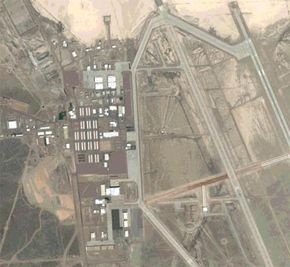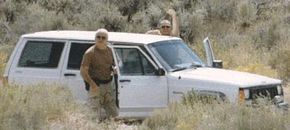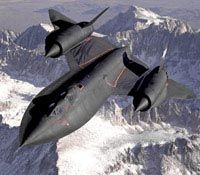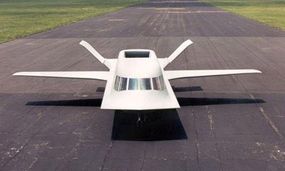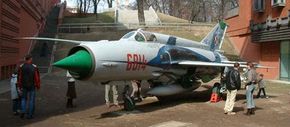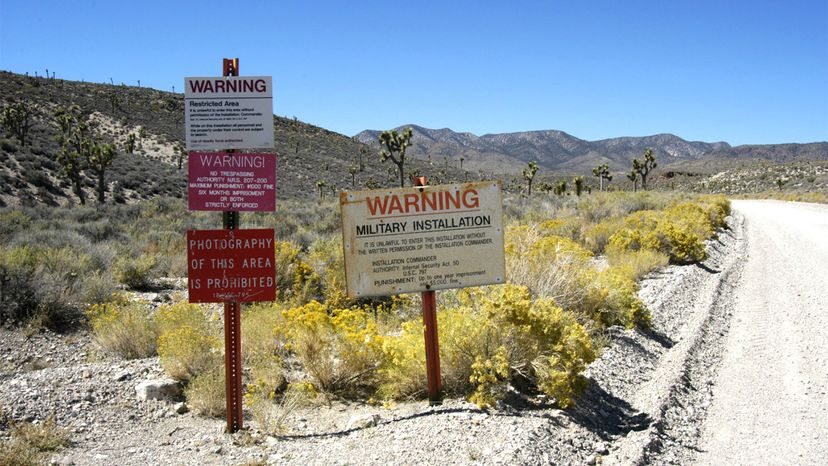
For decades, a U.S. military installation located roughly 100 miles (161 kilometers) north of Las Vegas had been one of the worst-kept secrets on the planet. Area 51, as it's commonly known to UFO conspiracy theorists and aviation buffs who piece together the details of classified military spy plane prototypes, is a place whose existence the U.S. government long refused even to acknowledge.
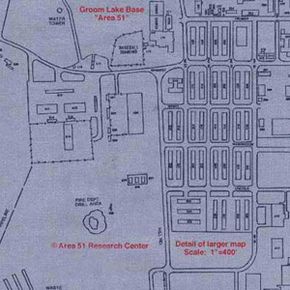
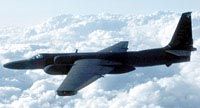
But in August 2013, the shroud over Area 51 finally lifted, at least a bit. Jeffrey T. Richelson, a researcher at the Washington, D.C.-based National Security Archive, a nonprofit think tank, obtained declassified documents about the development and use of the U-2 and OXCART surveillance aircraft in the 1950s and 1960s. The documents made repeated references to Area 51 and detailed how it was selected as a testing area by the CIA, the U.S. Air Force and defense contractor Lockheed because of its remote location. They even included a map that confirmed its exact location [source: National Security Archive].
Advertisement
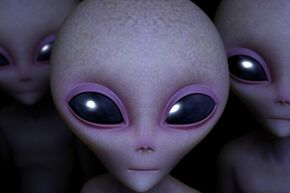
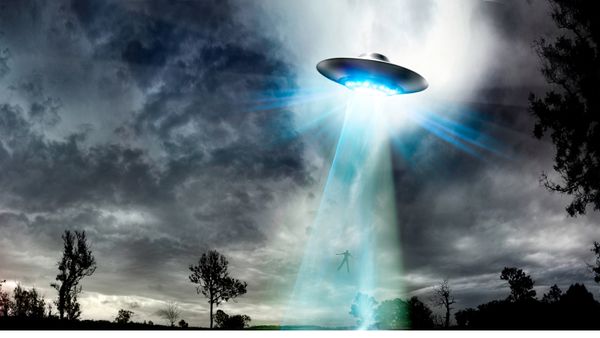
But that belated disclosure didn't do much to quell the rumors that long have swirled around Area 51. In the murky world of Internet bulletin boards, late-night call-in AM radio programs and TV and movie science-fiction fantasies, it's long been assumed to be the place where government researchers reverse-engineered captured alien spacecraft, tried to clone extraterrestrials, and filmed the fake moon landing in 1969 [source: Day]. The government, as you might expect, did not confirm any of that.
"Area 51 is a riddle," author Annie Jacobsen wrote in a 2011 book on the secret installation. "Very few people comprehend what goes on there, and millions want to know."
In this article, we'll look at what's known about Area 51, as well as what's suspected, and try to piece together as much as we can. Remember, as they used to say on the classic TV show "The X-Files," the truth is out there.
Advertisement