
Astronomy Terms
Astronomy terms are used to describe the various phenomena in space. In this section you can learn what every astronomy term means and how it helps us to better understand the cosmos.

Can You Nominate Yourself for a Nobel Prize?

How Do You Win a Nobel Prize?

Quiz: How Much Do You Know About Stephen Hawking?
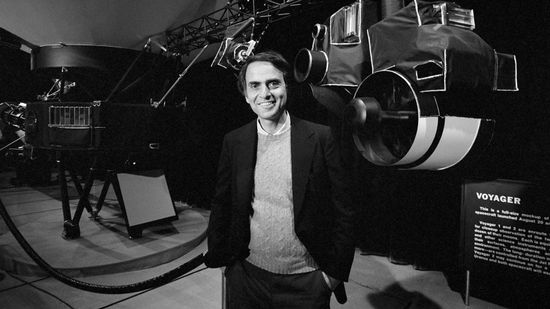
10 Cool Things About Carl Sagan
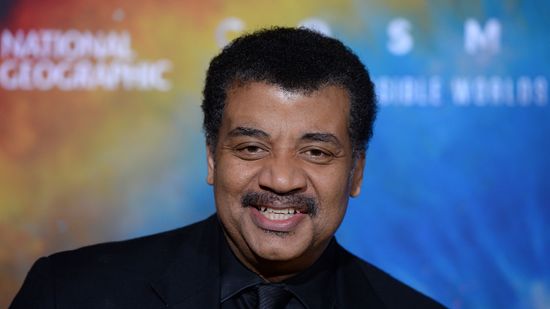
10 Cool Things About Neil deGrasse Tyson
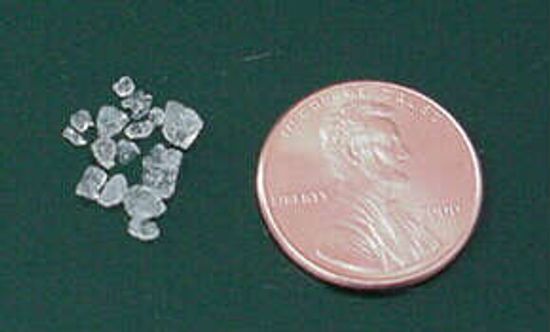
How do polymer crystals work and why do they absorb so much water?

Is a Karat the Same as a Carat?
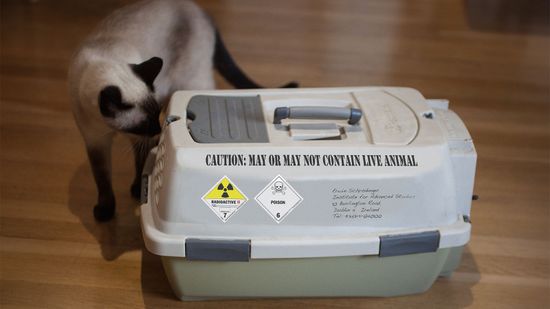
4 Quantum Physics Misconceptions, Busted

Chaos Is Not Randomness: A Complex Systems Scientist Explains
Learn More
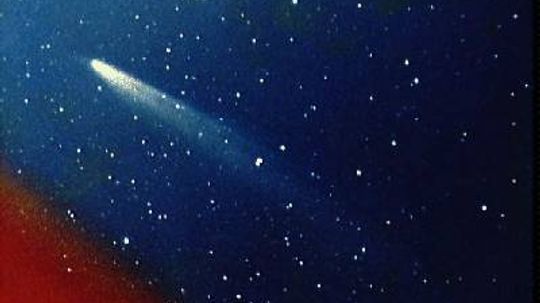
Comets are remarkable pieces of our universe's past, and they tell us a great deal about how the universe was formed. Learn about the long but rewarding process of discovering and analyzing comets.
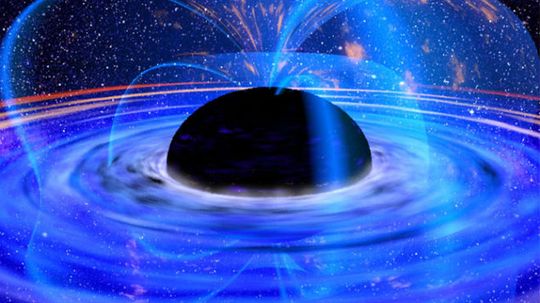
A black hole occurs when a massive star dies -- its enormous mass implodes and becomes so heavy that it bends space. So how do astronomers detect something that they can't see?
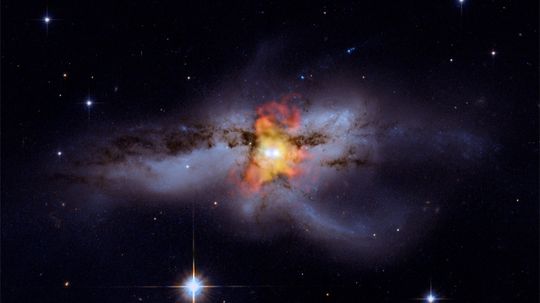
Space collisions are the universe's car wrecks. Only in outer space, it's stars, asteroids and even galaxies doing the smashing.
By John Fuller
Advertisement

We take much for granted about our universe, like it's getting bigger. What if the universe stopped expanding and started collapsing inward with a giant crunch?

Aberration of Light is a phenomenon in which a star or other celestial body, as viewed from the earth, appears to be slightly displaced from its true position.
Chronometer, a timepiece that is exceptionally accurate. Traditionally, the term refers to the marine chronometer, a rugged mechanical instrument used at sea to keep time for navigational purposes.
Cosmogony, the study of the origin and development of the universe as a whole and of the individual bodies that compose it.
Advertisement
Hourglass, a device for measuring time. In its usual form it consists of two cone-shaped or oval glass receptacles joined by a narrow neck.
Midnight Sun, a name given the sun when it can be seen at midnight during the Arctic or Antarctic summer.
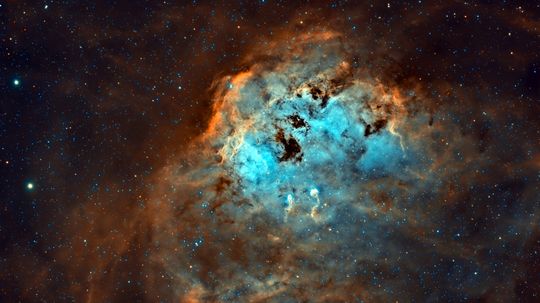
The nebular theory, also known as nebular hypothesis, presents one explanation of how the solar system was formed, proposed by Pierre Simon de Laplace in 1796.
By Yara Simón
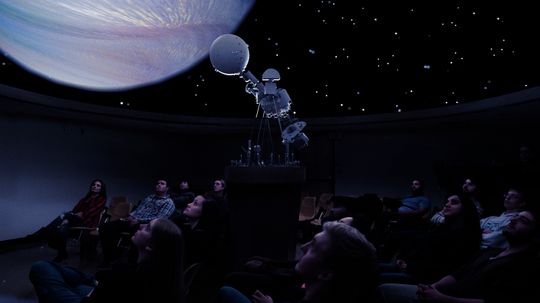
Planetarium, is an educational device for showing the locations and movements of the planets and other objects in the universe.
Advertisement
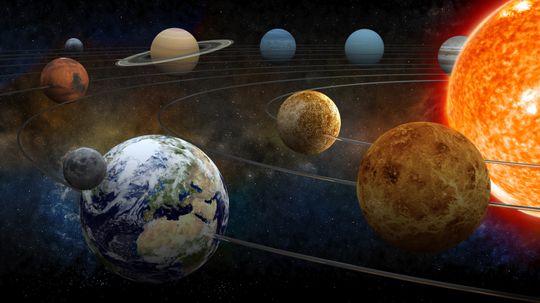
Planetesimal hypothesis is a theory of the origin of the solar system. It was proposed by Forrest R.
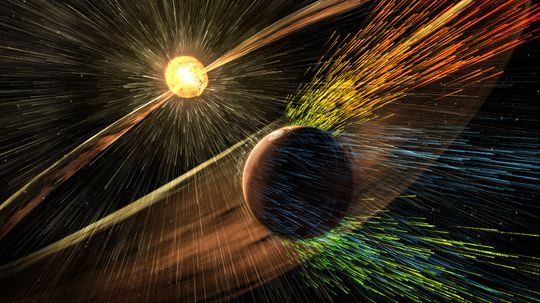
Solar wind is a continuous stream of mostly hydrogen and helium that flows outward from the sun in all directions. It does everything from disrupt GPS signals to create the aurora borealis.
By Mark Mancini

The big bang theory is well-known, but there are many misconceptions about it. Like what? Let's start with this one: There was no bang.
Have you ever really thought about the scale of the universe? A good starting point is the teaspoon.
Advertisement
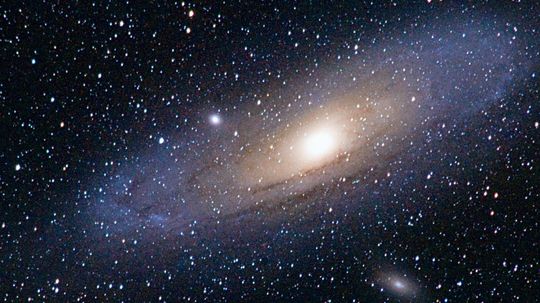
If you took all of the matter in the universe and you pushed it all into one corner, how much space would it take up? I am trying to understand how much of the universe is 'empty.'
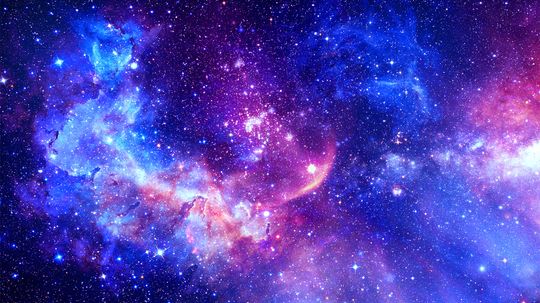
A light-year is a way of measuring distance, which doesn't make much sense because "light-year" contains the word "year," which is normally a unit of time. So, how does a light-year measure distance?
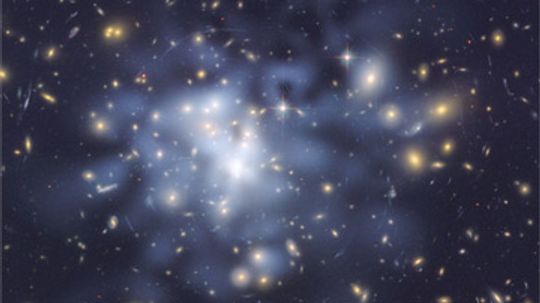
For decades, stargazing scientists have been facing their own darkness on the edge of town as they try to explain one of astronomy's greatest mysteries: dark matter. Have they been successful, or will the universe carry its secrets for a long time?
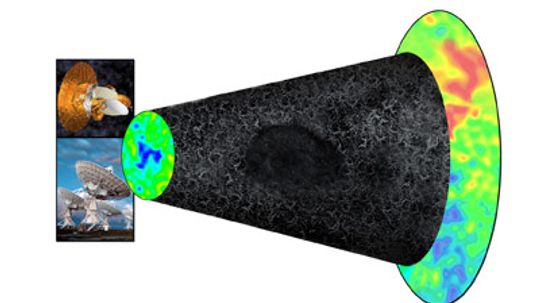
While routinely scanning the stars, NASA scientists came across something they didn't expect to see: a vast area of space empty of stars, planets and matter.
Advertisement
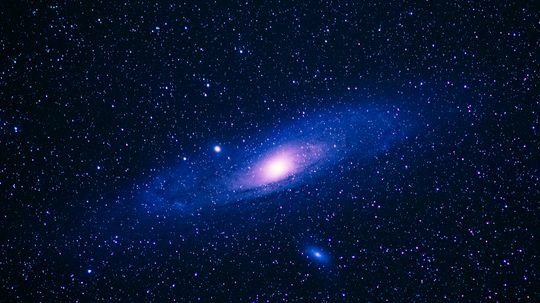
So much about galaxies remains a mystery. We know what they're made of and that we live in one (the Milky Way), but how many galaxies are in the universe?
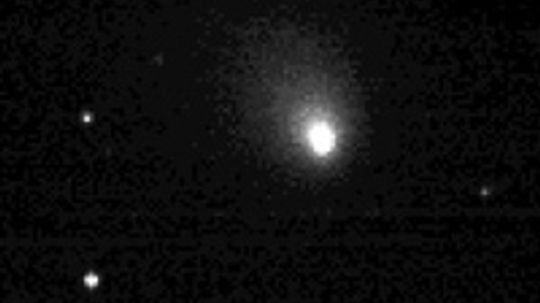
How do scientists find details about the early days of our solar system? One way is to investigate comets. Find out how the Deep Impact spacecraft fired an impactor into Comet Tempel 1 to get some answers.
By Carolyn Snare
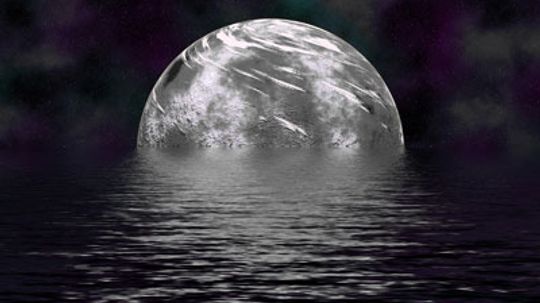
Scientists announced the discovery of the largest known planet in the universe. TrES-4 has a density similar to balsa wood, and some say this gas giant could float on water. Learn why this planet is so puzzling and how planet hunters make amazing discoveries like these.
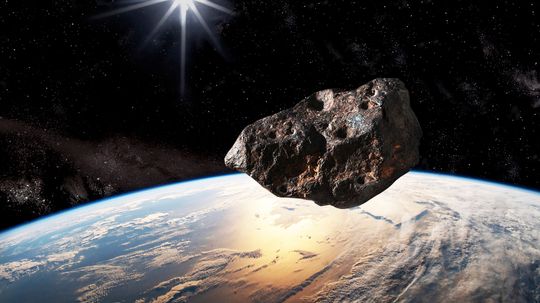
What exactly are asteroids? And what was the NEAR Shoemaker mission about?
Advertisement

You've heard of the big bang, of course, but do you have any idea as to what was happening during that massive flurry of activity billions of years ago?
By Robert Lamb
So much of our cosmological history starts with the much-discussed Big Bang, but what led up to that cataclysmic moment? And did time even exist back then?