
Earth Science
Earth Science covers all facets of how the earth works, from from volcanoes to the world's oceans.
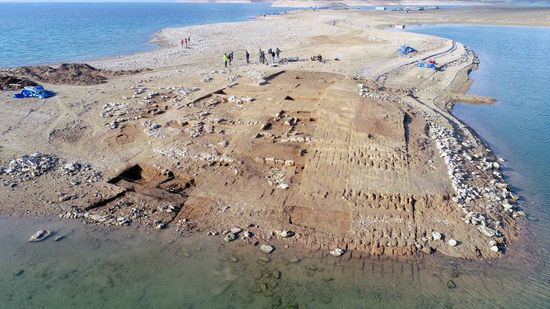
Worldwide Droughts Uncover Ancient Relics, Ruins and Remains
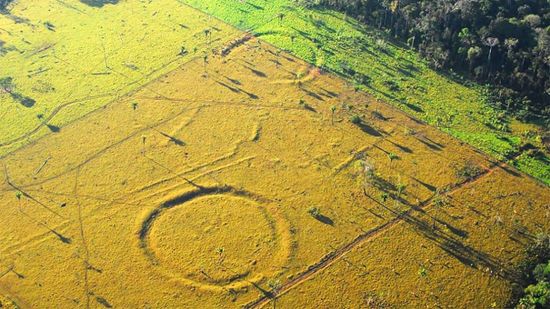
450 Huge Geometrical Earthworks in the Amazon Hint at Past Civilizations
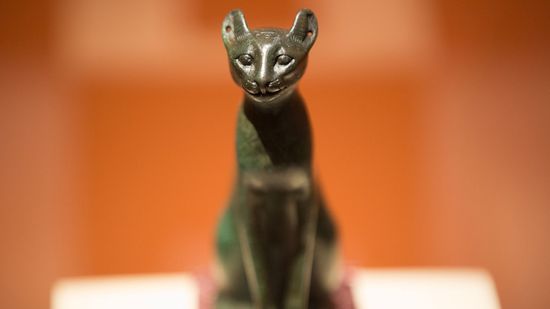
Ancient Egyptians Believed Cats Had 'Divine Energy'
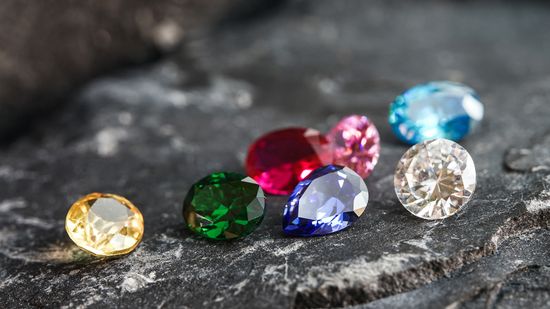
15 Types of Gemstones to Add a Little Sparkle to Your Life
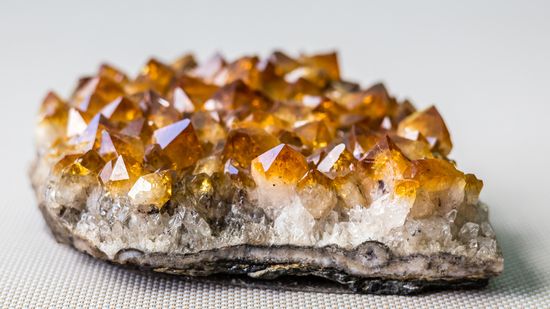
13 Brown Gemstones for Understated Elegance
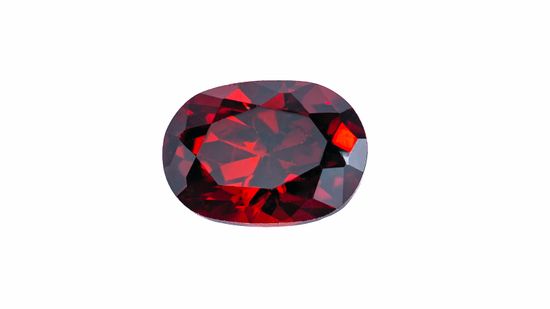
10 Red Gemstones That Evoke Power and Bold Luxury

10 Longest Rivers in the U.S.: From the Missouri to the Brazos

What Is the Smallest State in the USA? Looking at Area and Population
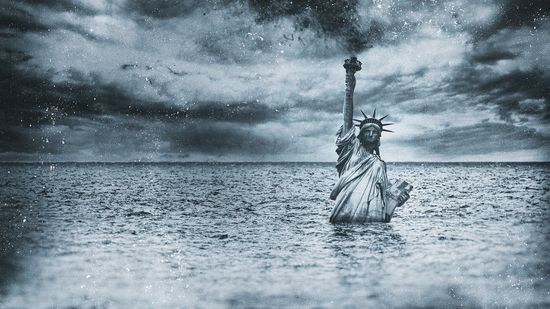
Venice Isn't Alone: 7 Sinking Cities Around the World
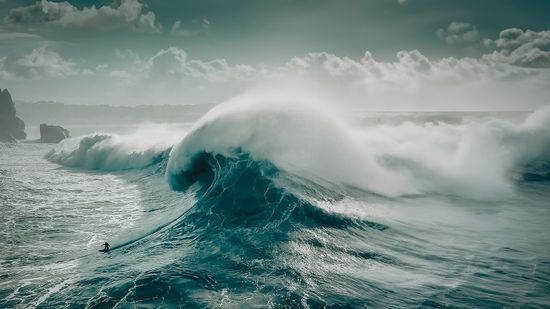
What Was the Largest Wave Ever Recorded?
Where Have All the Seashells Gone?
HowStuffWorks: 10 Weird Sea Creatures
Learn More / Page 11
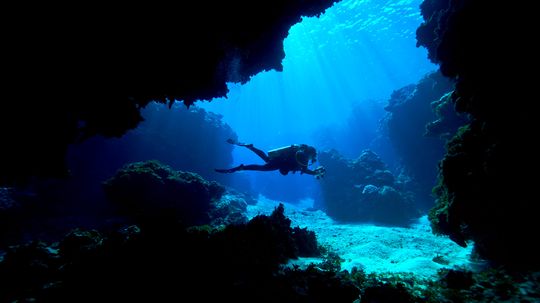
You might be surprised at how little of the world's oceans scientists have investigated.
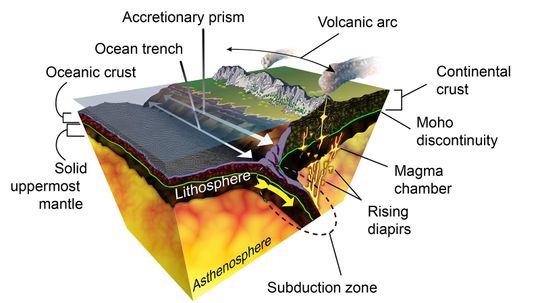
This seismic boundary lies within Earth between the bottom of crust and the uppermost mantle. But nobody has ever dug down deep enough to confirm it exists. So does it?
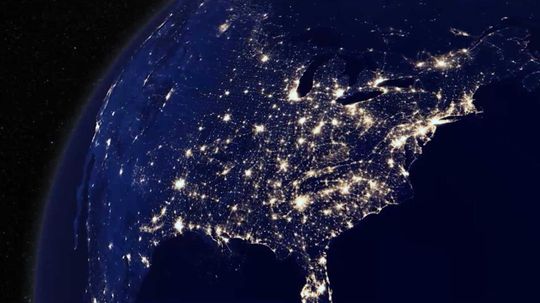
The United States is divided into 50 states, small and large. So which is the biggest state in the U.S.A.?
Advertisement
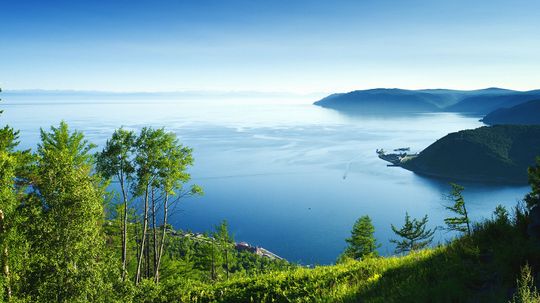
You could stack the Eiffel Tower, the Washington Monument and the Statue of Liberty in Crater Lake, the deepest lake in the U.S. But, do you know what the deepest lake in the world is?
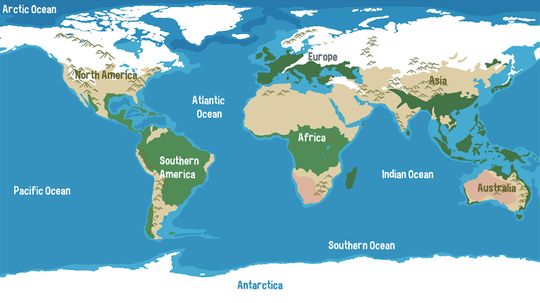
The oceans take up most of the surface area of our planet and remain mostly unexplored. But how many oceans are there?
Sarah Palin never really said she could see Russia from her house. But how far is Russia from Alaska anyway? And can you see one country from the other?
By Mitch Ryan
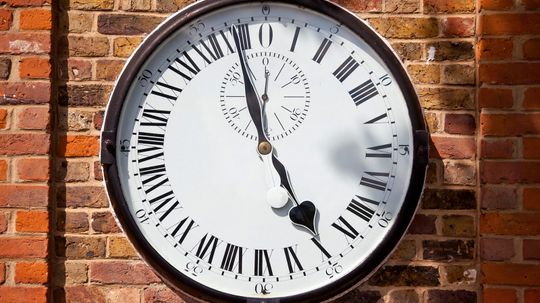
Zulu Time is a shorthand for describing a time that is the same no matter where you are in the world. So, how does that work?
By Alia Hoyt
Advertisement
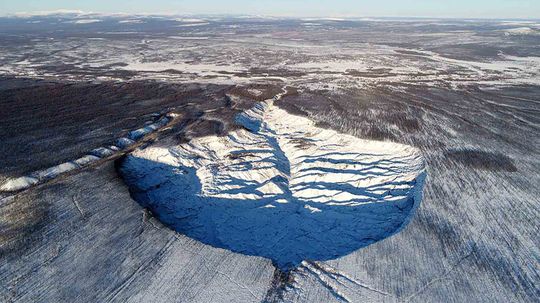
It's known as the "Gateway to Hell" and while it might not actually get you there, what it will unleash if it keeps thawing could truly be hellish.
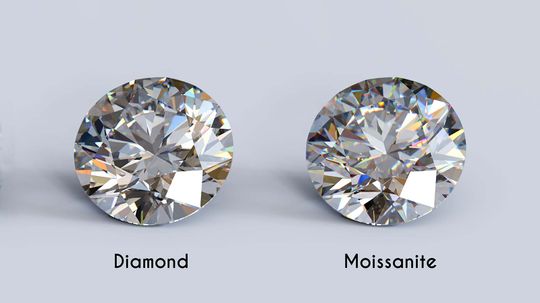
What's the difference between moissanite and diamonds? And which of these brilliant stones wins out when it comes to the engagement ring competition?
By Mitch Ryan
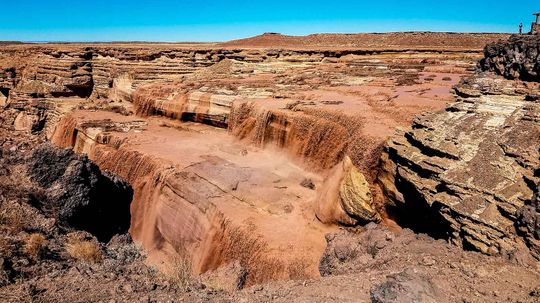
Arizona isn't all desert. Take Grand Falls, aka "Chocolate Falls." It is dry most of the year, but when it rains, this waterfall pours.
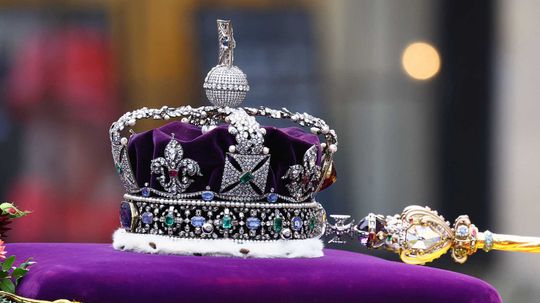
It was the world's largest diamond when mined and today it's cut into nine gems that are all part of the British Crown Jewels. But since the death of Queen Elizabeth II, questions have emerged about its imperialist history.
By Dave Roos
Advertisement
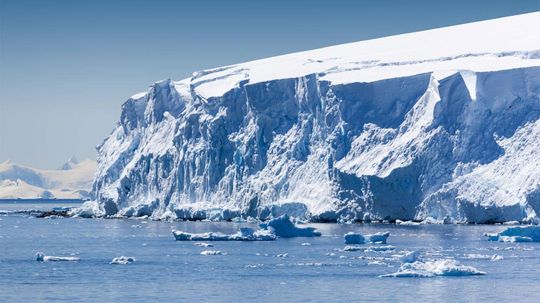
Scientists are concerned that the Thwaites Glacier is melting at a rapid pace, though some don't love the name "Doomsday Glacier." What does the rapid melt of this huge glacier mean for the future of our planet?
By Mark Mancini
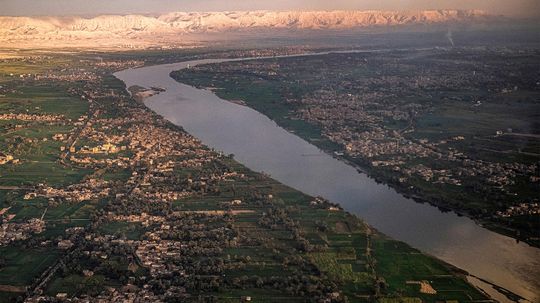
When it comes to rivers, longest doesn't necessarily mean biggest, and length can be difficult to determine, so the top spot will always be debated.
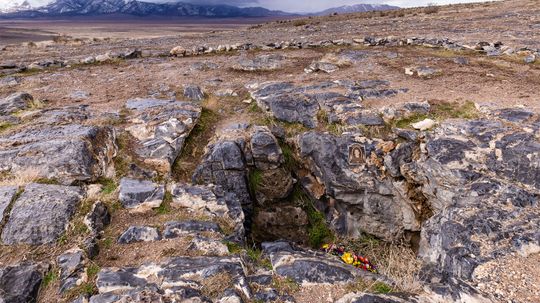
Nutty Putty Cave, near Salt Lake City, Utah, was discovered in 1960 and sealed up forever in 2009. But why?
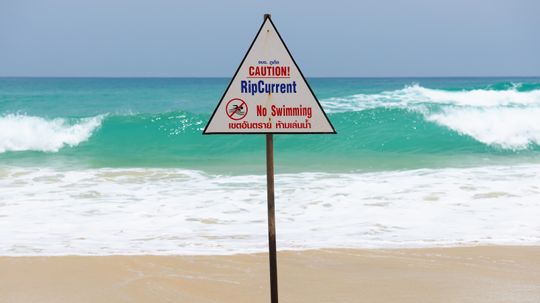
Rip currents are the number-one concern for beach lifeguards: About 80 percent of all beach rescues are related to rip currents. Learn what they are and what you should do if you get caught in one.
By Tom Harris
Advertisement
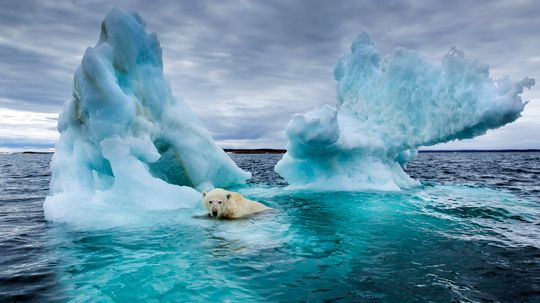
The Arctic Circle is a region marked by frigid temperatures, strange sunlight and glaciers galore. And for hundreds of thousands of people, it's also home sweet home.
By Mark Mancini
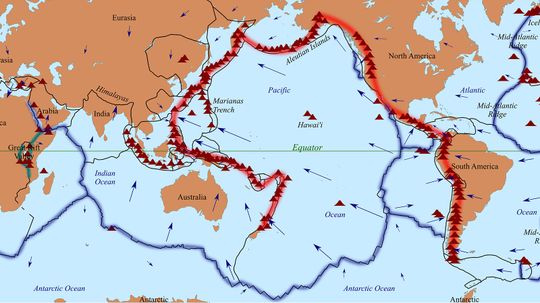
Explore the Pacific Ring of Fire, a 24,900-mile zone with 75% of Earth's volcanoes and 90% of its earthquakes, shaped by dynamic tectonic activity.
By Mark Mancini
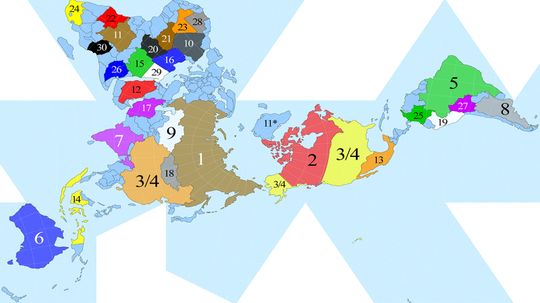
The seven largest countries in the world account for nearly half of the world's land area, but one is far larger than the rest. Do you know what the largest country is?
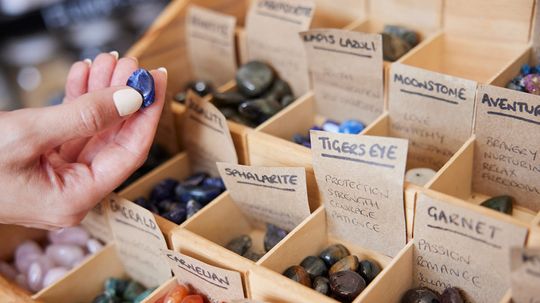
Curious about healing crystals and their meanings? Here's the lowdown on 12 of the most popular stones for wellbeing.
Advertisement
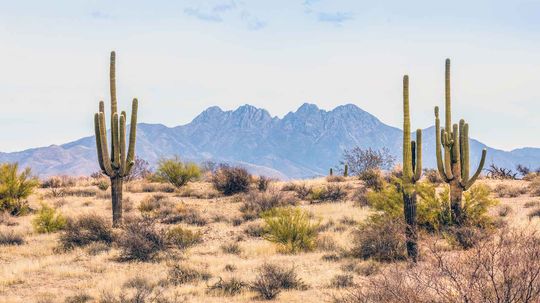
If you think the largest desert in the world is hot and sandy, think again. These 10 deserts spanning the globe are massive, but they're not all sunbaked.
By Mitch Ryan
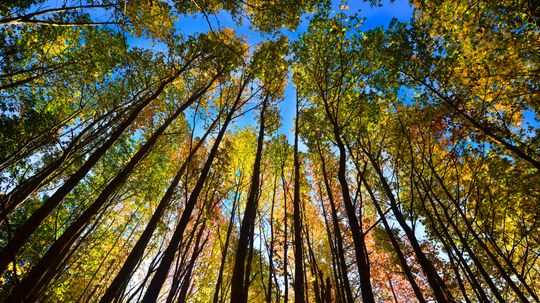
The autumnal equinox is the day Earth is perfectly angled to the sun, so the day and night are of equal length. Well, almost.