
Geophysics
Geophysics is the study of the forces that shape the Earth from a global perspective. Learn about gravity, plate tectonics and other topics.
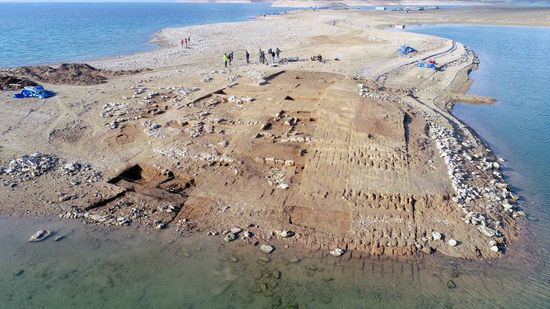
Worldwide Droughts Uncover Ancient Relics, Ruins and Remains
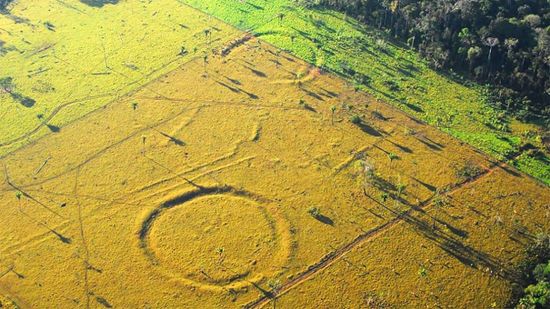
450 Huge Geometrical Earthworks in the Amazon Hint at Past Civilizations

Ancient Egyptians Believed Cats Had 'Divine Energy'
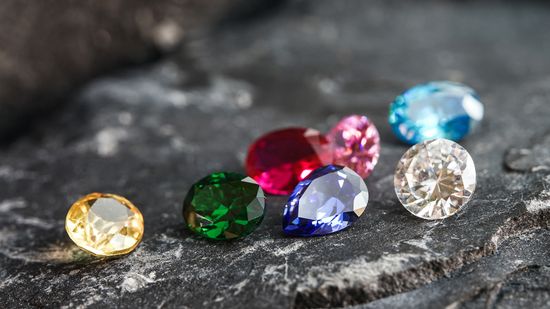
15 Types of Gemstones to Add a Little Sparkle to Your Life
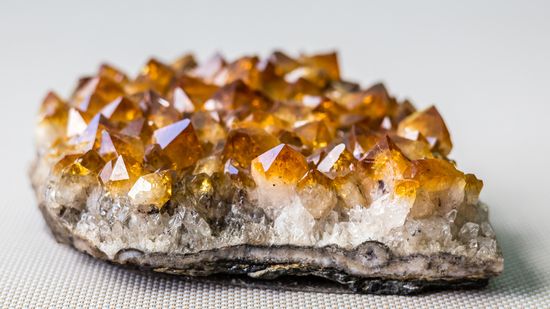
13 Brown Gemstones for Understated Elegance

10 Red Gemstones That Evoke Power and Bold Luxury
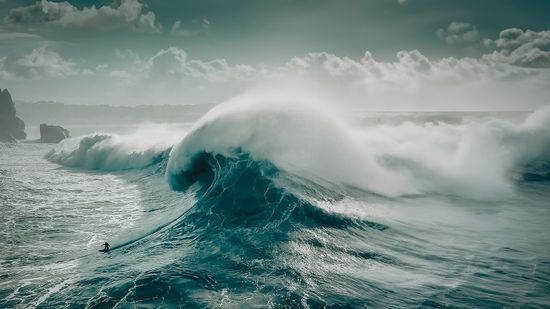
What Was the Largest Wave Ever Recorded?
Where Have All the Seashells Gone?
HowStuffWorks: 10 Weird Sea Creatures
Learn More
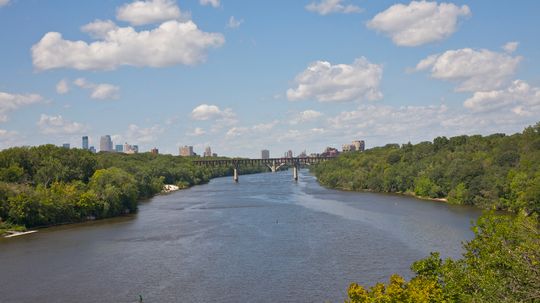
We bet you're looking up the longest river in the U.S. to settle a bet: Is it the Missouri River or the Mississippi River? It depends how you measure.
By Marie Look
The smallest state in the U.S.A. isn't the same as the state with the lowest population. In fact, the five smallest by each measure are completely different.
By Yara Simón
Subsidence, or the decline in the elevation of land surface, is creating a problem for some coastal cities as sea levels rise.
Advertisement
Each year, Earth sees two equinoxes and two solstices. But how much do you actually know about these events? Take the quiz and find out!
By Alia Hoyt
Water surrounds us, falling from the sky and pouring from faucets, and yet many of us never ask where it comes from. The answer stretches way back - before tides and thunderclouds to the big bang.
Do you ever play that game in which you select the items you'd bring if you got stuck on a desert island? Along with that treasured bootleg recording of your favorite band, we think that an endless supply of water should be at the top of your list. Here's why.
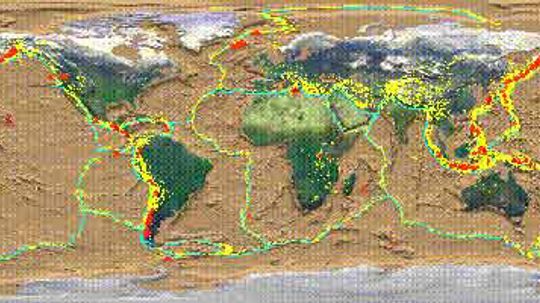
A common misconception is that magma comes from the Earth's molten core. It really comes from the mantle, the layer between the core and the crust. Will it ever run out?
Advertisement
Huge walls of cascading water never cease to capture our attention with their majesty. Ready to marvel at nature? Check out some of the most beautiful waterfalls in the world.
By Rick Mayda
Few things have done as much harm to humanity as fire, and few things have done as much good. Find out where fire comes from and see why it behaves the way it does. The answers might surprise you!
By Tom Harris
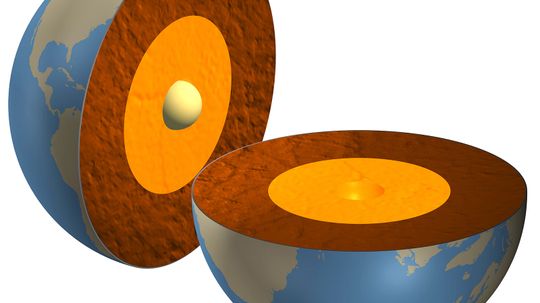
Let's say you have a lunch date to make - and it's on the other side of the planet. Wouldn't it be convenient to pop down a hole through Earth's innards? But what would really happen if you did?
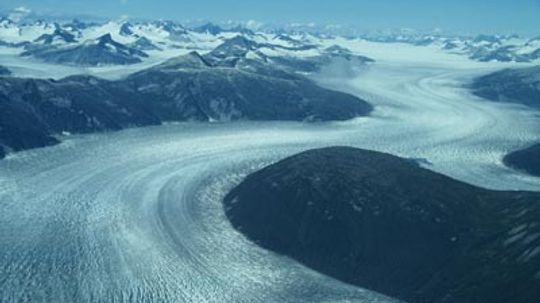
The polar ice caps have been in the news recently because of their alleged shrinking due to global warming. How much would the oceans rise if the ice caps melted completely?
By Marshall Brain & Sascha Bos
Advertisement

The Bulletin of Atomic Scientists moved the Doomsday Clock to 90 seconds before midnight, the closest it's ever been to global catastrophe. What does this mean for humanity?
By Julia Layton
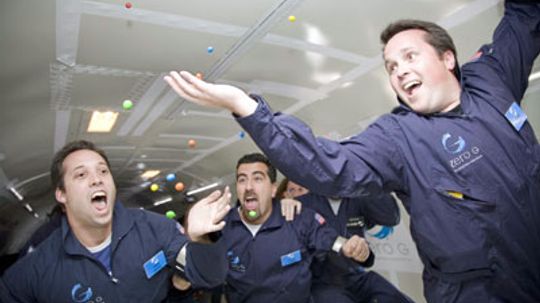
Have you ever wondered what would happen if we were able to flip a switch and turn the Earth's gravity off for a day? The end result may surprise you.

Four fundamental forces of nature are behind all that we do, from falling down to orbiting the sun. Learn about the four fundamental forces of nature.
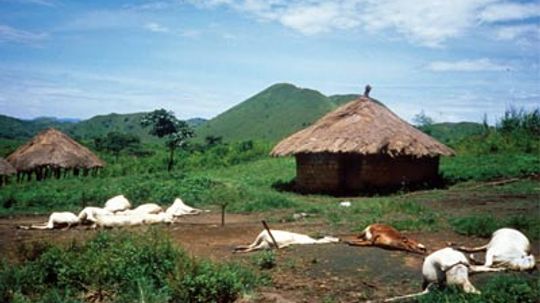
One evening, people heard their local lake rumbling. A day and a half later, 1,700 people were dead. What happened on that fateful night?
Advertisement
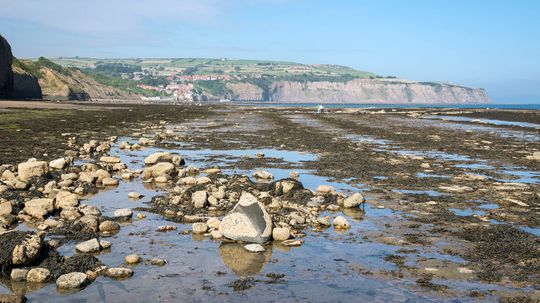
The oceans' levels change daily across the globe. We know them as tidal changes. But what causes this constant shift in sea level and why is it more dramatic is some places than others?
By Mark Mancini
Geysers are beautiful and their eruptions are exciting, but these fragile natural wonders are not to be trifled with. The water shooting from the geyser -- and the eruptions themselves -- can cause serious damage.
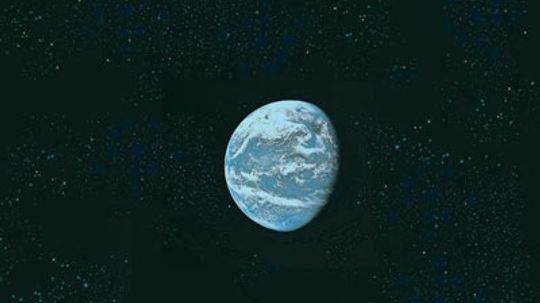
The Earth is incredibly heavy. How do scientists determine the weight of the Earth?
By HowStuffWorks

For more than 40 years, scientists have tried to figure out what's causing large parts of Canada to be "missing" gravity. The force of gravity around Hudson Bay is lower than surrounding areas. Learn about two theories that may explain the phenomenon.
Advertisement
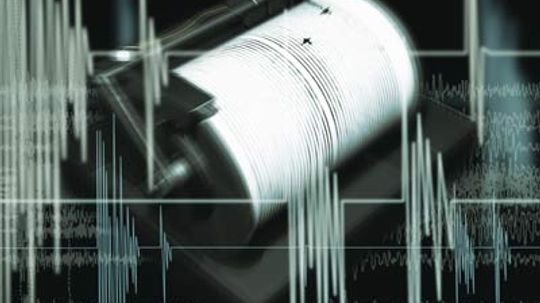
A seismograph can accurately measure the movement of the Earth during a quake. How does a seismograph work, though, and what is the Richter scale that is associated with earthquakes? Learn the answers to these questions in this article.
By Sascha Bos
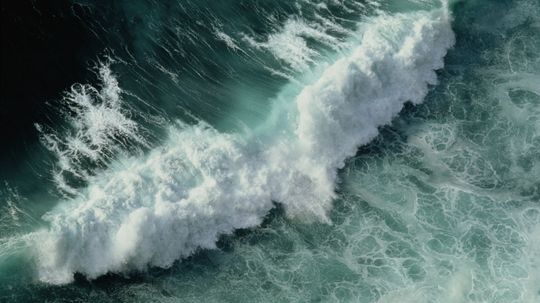
Water is one of the most abundant substances on the planet. About 70 percent of our planet is covered by oceans, but just how much water is there on Earth?
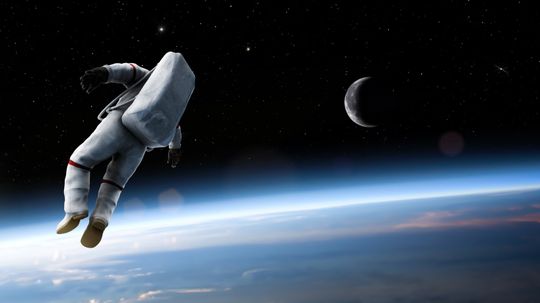
Gravity is a force that we experience every minute of our lives, but hardly notice or give a passing thought to in our daily routines. Have you ever wondered what gravity is and how it works? Learn about the force of gravity in this article.
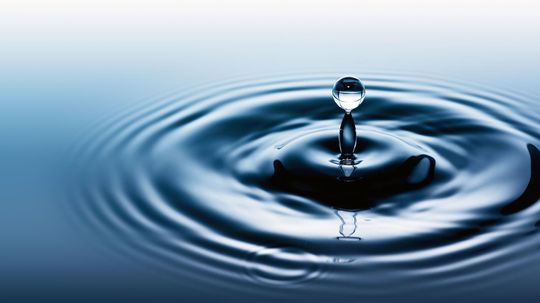
In its purest form, it's odorless, nearly colorless and tasteless. It's in your body, the food you eat and the beverages you drink. All forms of life need it. What substance is more necessary to our existence than any other? Water.
Advertisement
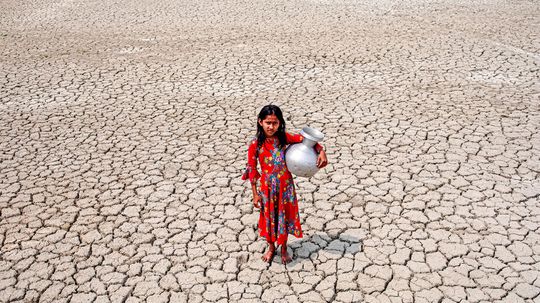
Water is just hydrogen and oxygen, so why can't we do what nature does and combine the two? Unfortunately, it's not that simple, and the results can be rather ... explosive.
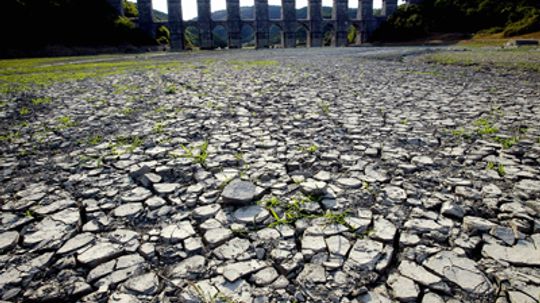
On a planet that is 70 percent water, people don't have enough clean, safe water to drink. We're in a water crisis, and water rights are becoming a big issue. What happens if we just plain run out?
By Josh Clark