
History of Physical Science
The history of physical science explains how some of the major physics concepts were discovered. Check out these articles on the history of physics.
Brown Noise vs. White Noise: Which Is Best for Quality Sleep?

Can a sound wave kill you?

Can two cans and a string really be used to talk over a distance?

7 Types of Alcohol for Drinking, Cleaning and More

Understanding the Empirical Formula in Chemistry
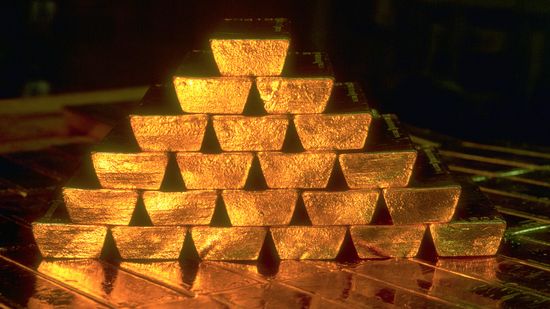
The Most Expensive Metal in the World Isn't Gold or Platinum

How Electricity Works
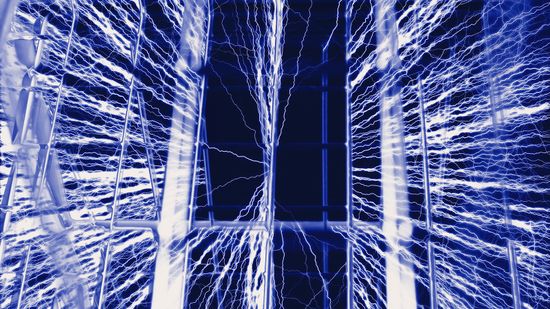
How Faraday Cages Work
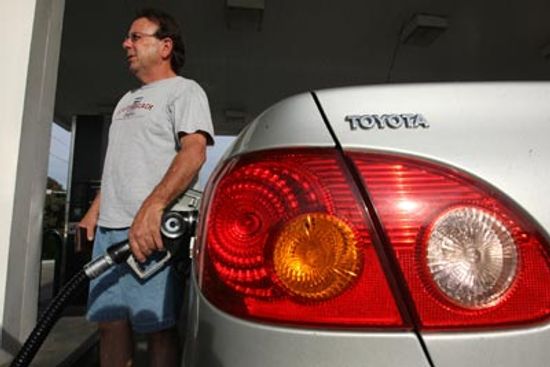
How Gasoline Works
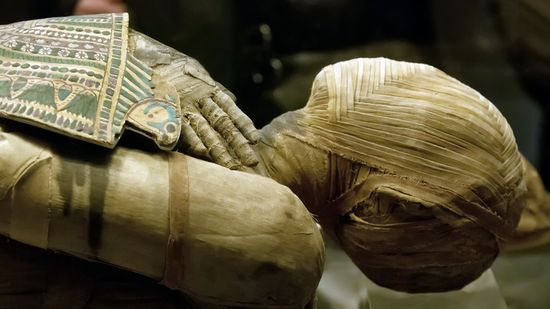
What Does Mummification Have to Do With Gene Hackman?
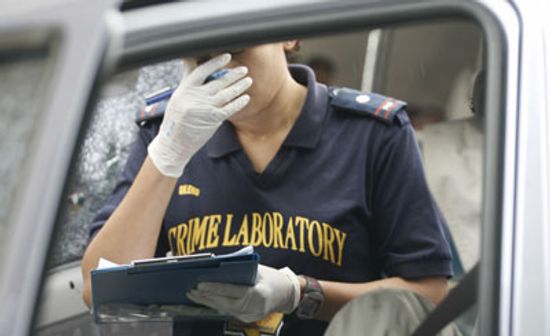
What do bugs have to do with forensic science?

5 Things You Didn't Know About Autopsies
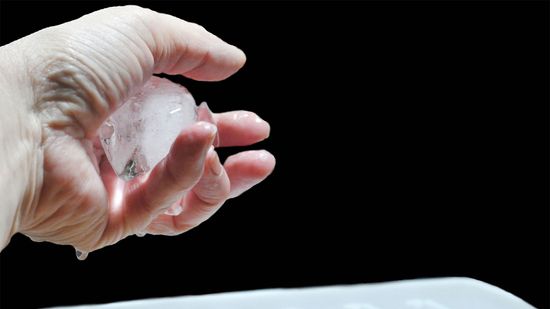
Why Does Ice Stick to Your Fingers?
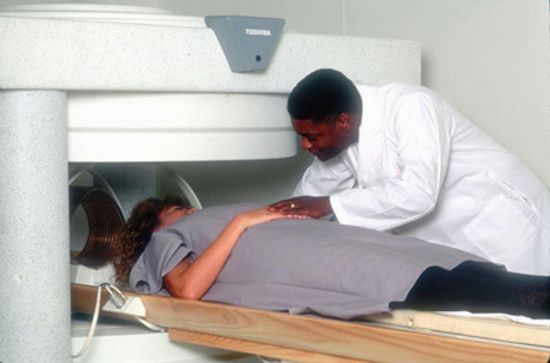
What if I forgot to remove a piercing before an MRI?
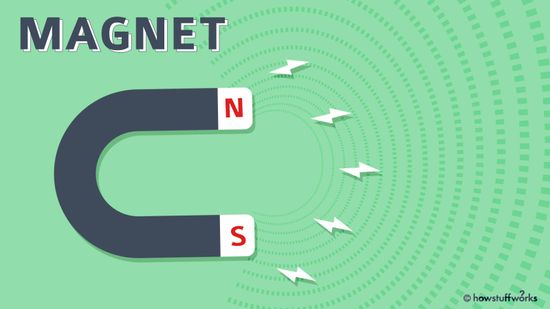
A Kid-friendly Introduction to Magnets and Magnetism
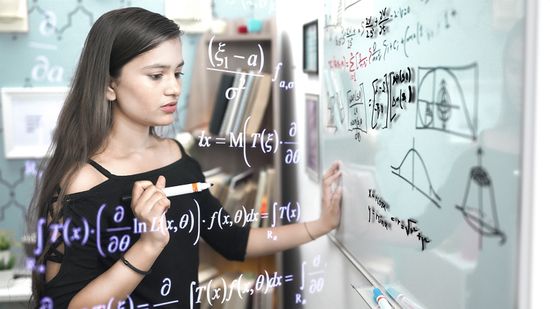
What's the Hardest Math Problem in the World? Try These 9

8 Types of Data That Inform Insights and Relationships
Congruent Angles: Definition, Symbol and Key Theorems
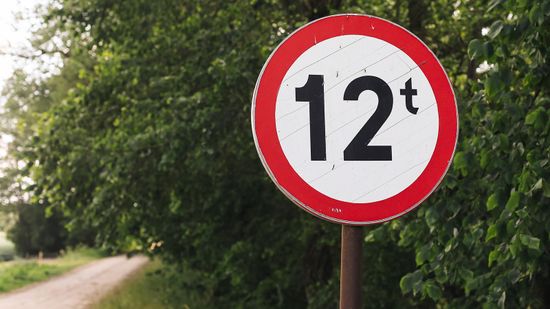
Tonnes vs. Tons: Metric vs. Imperial Measurements Strike Again
The Most Expensive Liquid Is 26,000x the Price of Human Blood
5 Hugely Fun Facts About Mass (Not Weight)

The Demon Core: A Tale of Atomic Ambition and Tragic Fate
Half-Life Formula: Components and Applications
Could an 'X17 Particle' Hint at a Fifth Force in the Universe?

Why Are School Buses Yellow?
HowStuffWorks: How To Draw An Impossible Shape
What Are the Colors in the Visible Spectrum?
Learn More
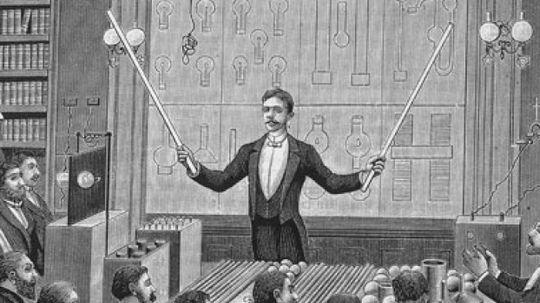
Who made it possible to light up your home at night? Thomas Edison, right? Yes, but without the work of Nikola Tesla, we would be living in a different world.
We've been observing and experimenting in the name of science for centuries. But who deserves the honor of being humanity's very first scientist? Is it Euclid, Darwin, Galileo or someone else?
The answer to the question "Does time exist?" may seem obvious, but is it? And what if time doesn't exist, but is merely a human construct?
By Sam Baron
Advertisement
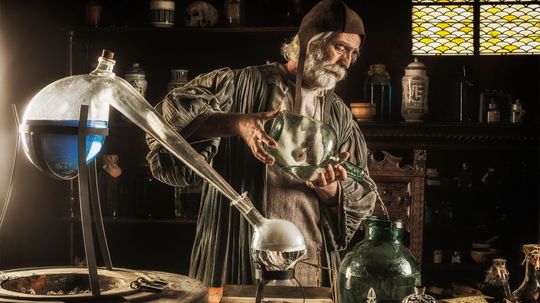
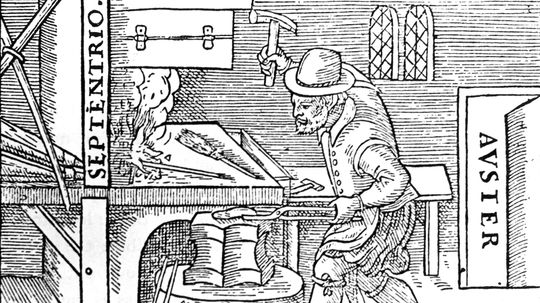
Alchemy may seem like a cousin to witchcraft but in reality it was the forerunner of modern chemistry.