
Stars
Stars are celestial bodies made up of hot gases. Stars radiate energy that comes form thermonuclear reactions. In this section you will learn all about stars and their importance in the universe.
Constellation Pictures
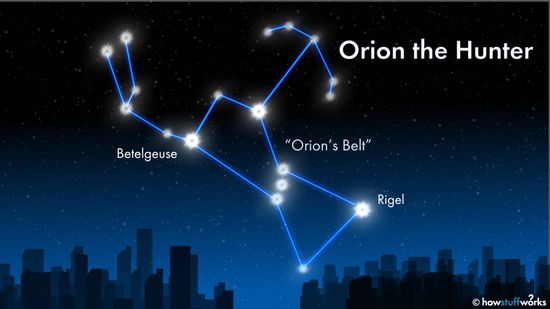
How to Find Orion's Belt in the Night Sky
Radio Telescope Image Gallery

How do I build a telescope at home?
Shooting the Stars as an Astrophotographer
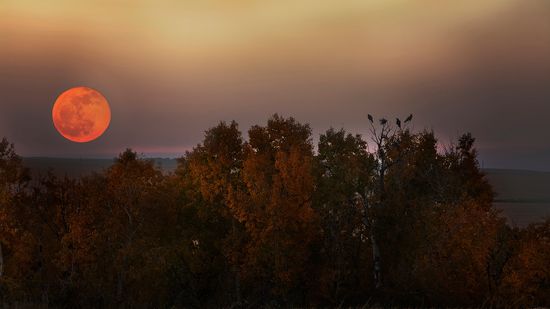
What Is a Harvest Moon?
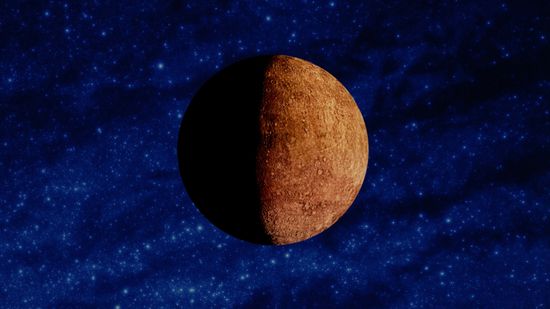
The Mysteries of Mercury Retrograde Unveiled: A Cosmic Phenomenon
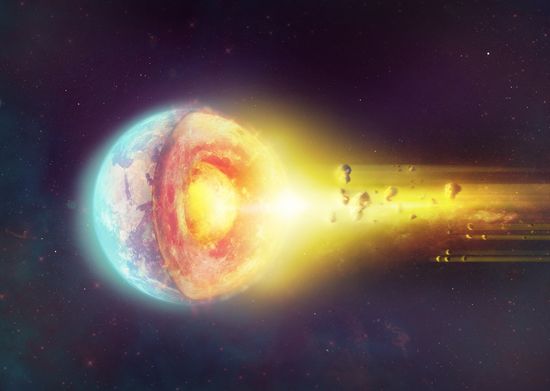
A Comprehensive Guide to the Layers of the Earth
Learn More
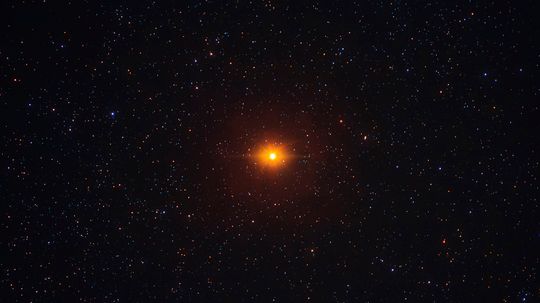
In the vast night sky, where countless stars vie for attention, one colossus reigns supreme as the largest star in the universe. Situated thousands of light-years from Earth, this celestial giant's sheer magnitude challenges our understanding of stellar physics.
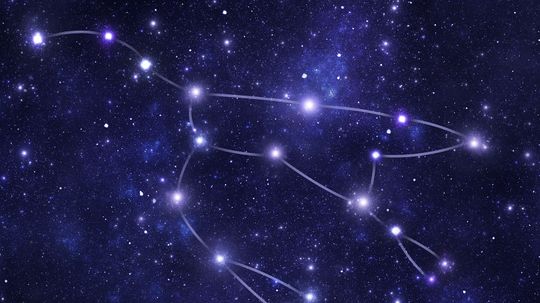
Stars are giant nuclear fusion reactors, and we wouldn't exist without them. Find out how much you know about these twinkling lights with our quiz.
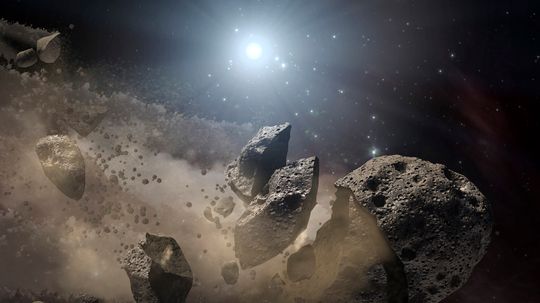
So what does that mean for good ol' Earth someday?
Advertisement

It turns out that measuring the distance to a star is an interesting problem! Astronomers have come up with two different techniques to estimate how far away any given star is.
When you look up at night and see thousands of stars, have you ever wondered what you are looking at? Learn what stars are and how they live and die!
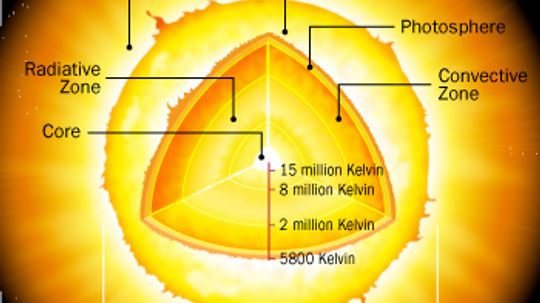
Stars are enormous celestial bodies hot enough to register millions of degrees. They're fascinating scientific phenomena, but is it actually possible for scientists to create them?
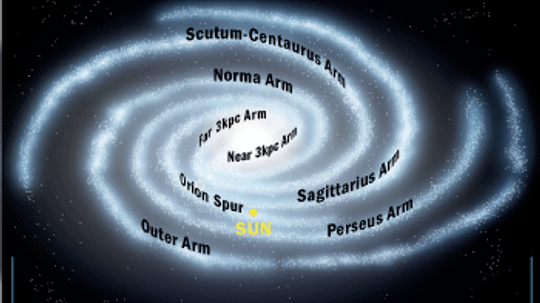
It's your home, and a colossally sized one at that. How much do you know about your galactic digs and their residence amid the yawning universe?
By Robert Lamb
Advertisement
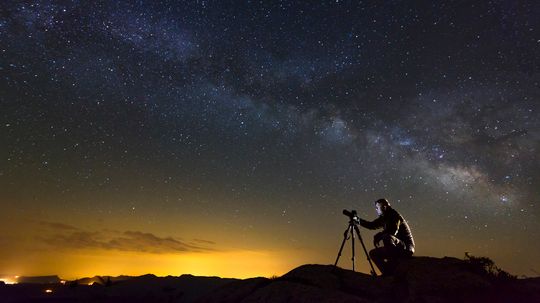
How are stars formed? In this article we'll explain stars and learn how stars are formed.
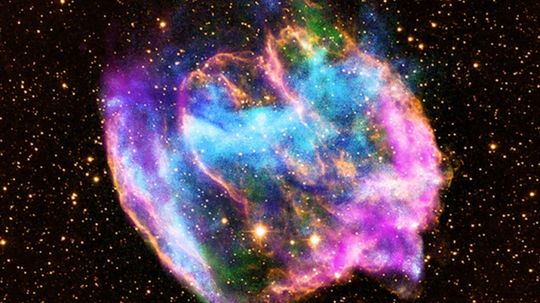
A dying star can explode with the force of a few octillion nuclear bombs and create any element in the universe. But why do stars go supernova?
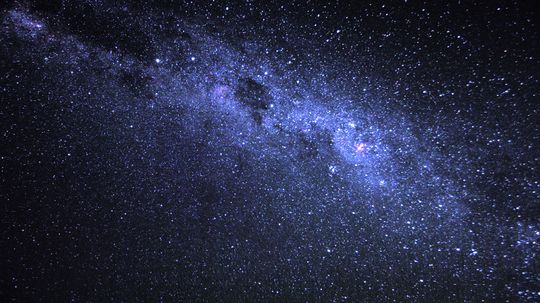
A look at the night sky at any time of year will reveal a faint band of light stretching across the sky -- our solar system's home, the Milky Way. How much do we really know about it?
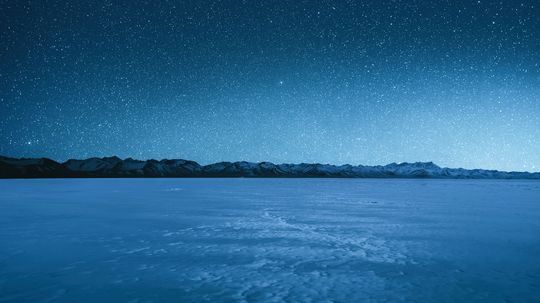
These days, we may take the stars for granted, but it's not hard to imagine the wonder early humans must have felt gazing up at those inexplicable points of light. Naturally, superstitions were bound to develop — some more fortuitous than others.
By Bambi Turner & Sascha Bos
Advertisement
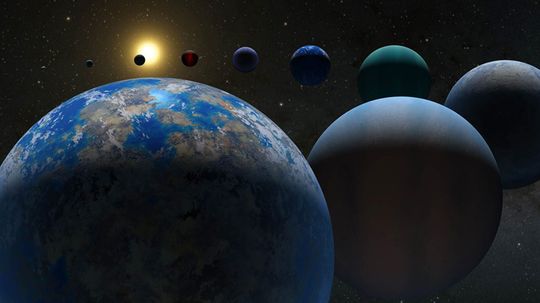
Exoplanets, planets beyond our solar system, have been found in their thousands in the last two decades. Before that, we barely knew about the variety in outer space.
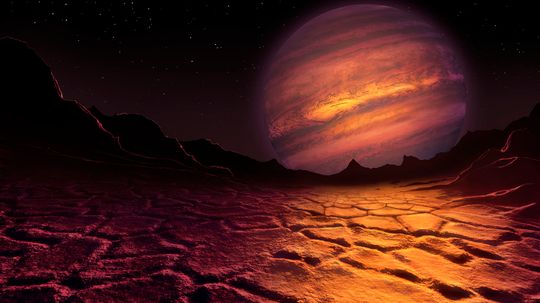
Neither massive planets nor tiny stars, brown dwarfs are entirely different substellar curiosities that possess qualities of both.
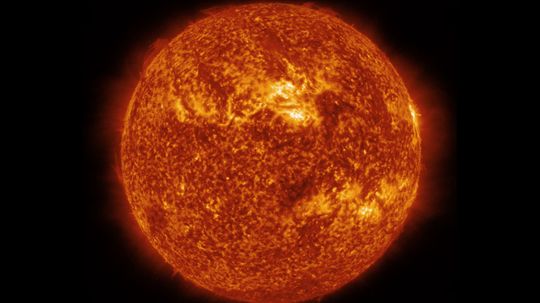
Arcturus is 113 times brighter than our sun, even though it's only a little bigger. What else should we know about this red giant?
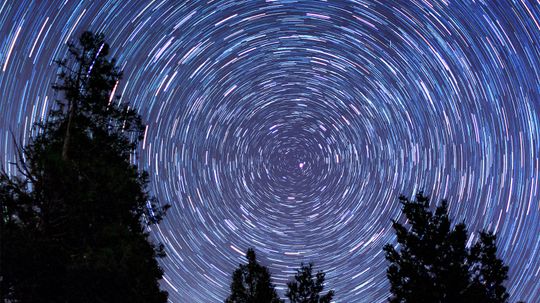
Polaris, also known as the North Star, is almost exactly over the celestial North Pole, making it extremely useful for navigation (and for making wishes on, as well).
Advertisement
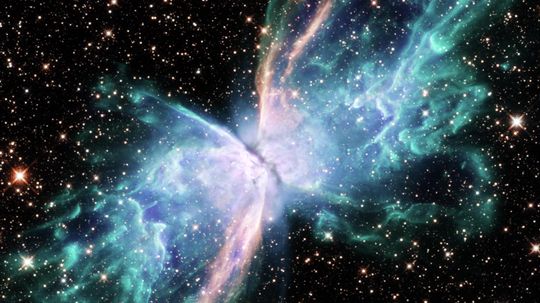
Astronomers used Hubble's full range of imaging to dissect wild 'fireworks' happening in two nearby young planetary nebulas.
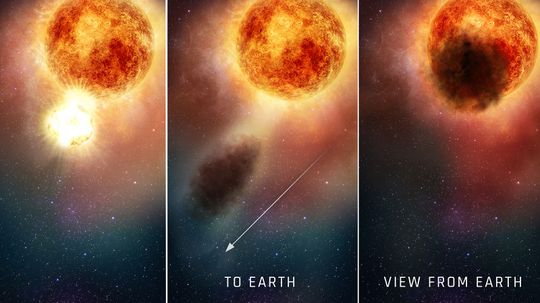
Star-gazers gasped when they saw how much Betelgeuse dimmed in 2019 and the reason wasn't clear. Even though it's back up to full strength, how long will it be before it explodes? We haven't seen a supernova in over 400 years.
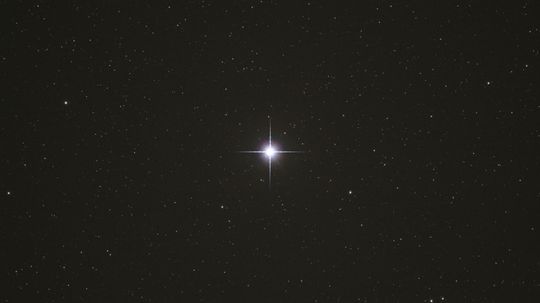
Even if you've never looked through a telescope, you've probably seen Vega, one of the brightest stars in our galaxy. In fact, thousands of years ago, Vega was our North Pole star, and will be again in the future.
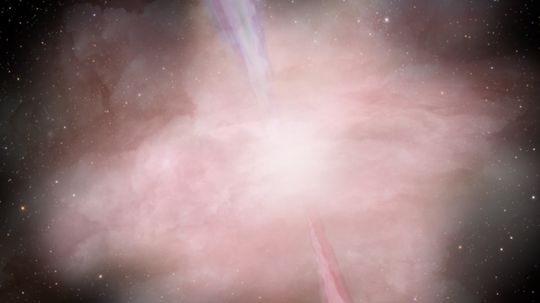
Get ready for the most powerful electromagnetic explosion the universe has ever known.
Advertisement
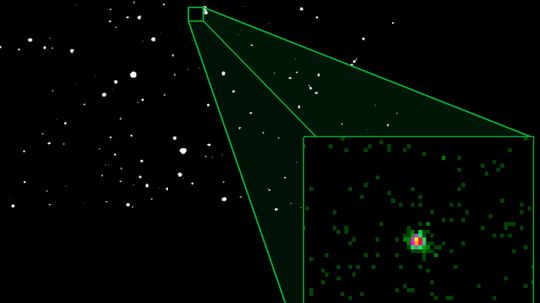
When a huge star collapses, it releases massive amounts of radiation in concentrated streams. If one of those streams hit Earth, it wouldn't be pretty. But where should we put "gamma-ray bursts" on our list of anxieties?
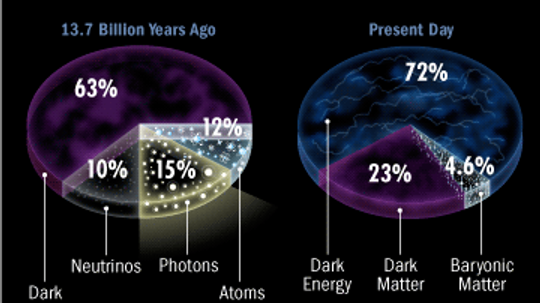
It wasn't so long ago that astronomers thought the universe contained normal matter, or baryonic matter, the base unit of which is the atom. But when it comes to the cosmos, there's always more than meets the eye. What else is hanging out in space?
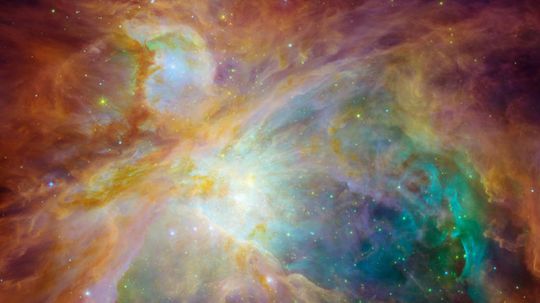
In this stellar nursery, firstborn stars are ruthless.

This stellar noodle is the strongest material in the cosmos!
Advertisement
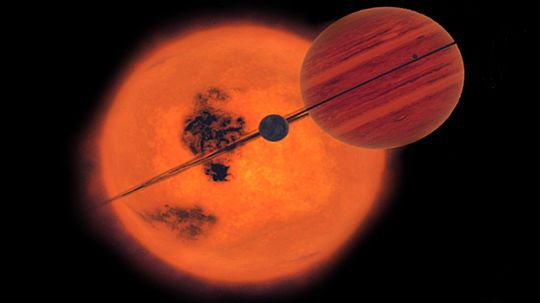
Aldebaran is not just the brightest star in the constellation Taurus, it's also the 14th brightest star in the sky.
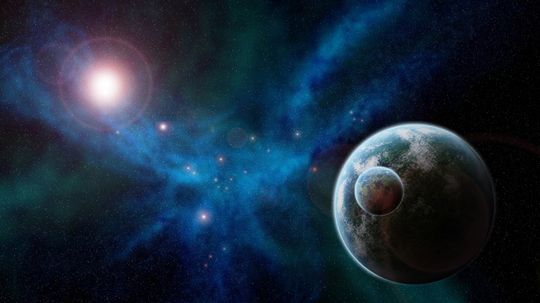
It's not uncommon for planets to wander alone through the universe like big, sullen teenagers. But how do they end up flying solo, and could they still harbor life?