
Astronomy
Astronomy is a broad discipline covering all facets of astrophysics. In this section you can learn about the origins of the universe, black holes and other astronomical phenomena.
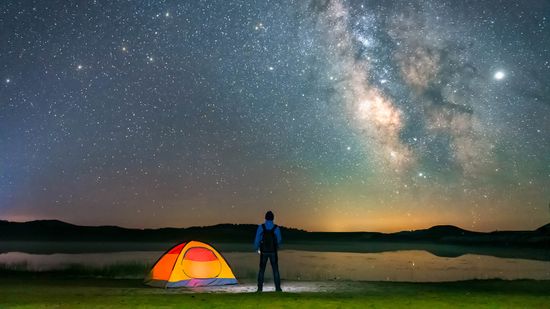
88 Constellation Names (and 24 You Can Only See From the Northern Hemisphere)
Constellation Pictures
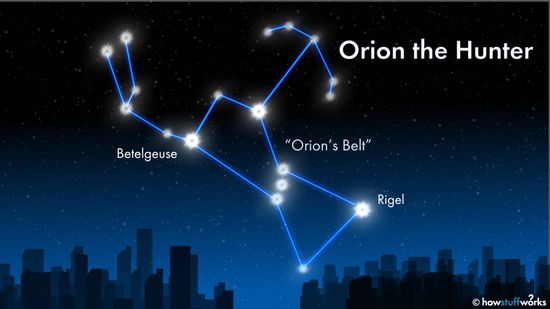
How to Find Orion's Belt in the Night Sky
Radio Telescope Image Gallery
How do I build a telescope at home?
Shooting the Stars as an Astrophotographer
10 Types of Stars Blazing and Collapsing in Our Universe
Solar Storm + Earth's Magnetic Field = Auroras Galore
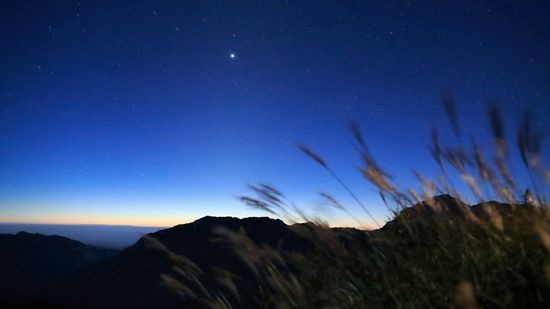
What's the Brightest Star in the Sky? Depends on the Season
Why a Geomagnetic Storm Makes for Pretty Skies and Tech Scares
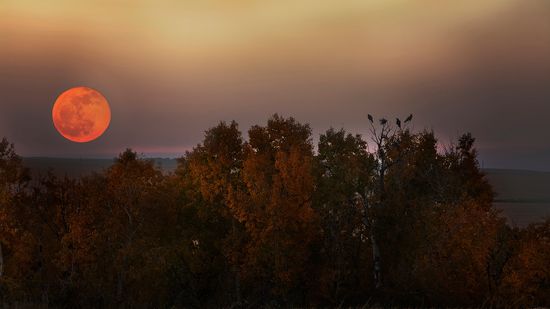
What Is a Harvest Moon?
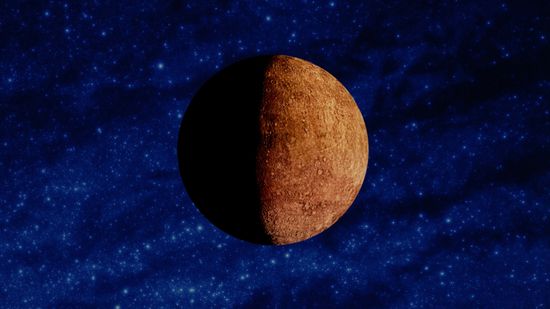
Mercury Retrograde Explained: Dates, Effects, and How to Cope
Learn More
When you look up at the night sky, you’re seeing just a small sample of the incredible variety of the types of stars in the universe. These cosmic powerhouses come in wildly different sizes, colors and life stages, each powered by nuclear fusion in its core.
When the moon, Earth and sun align just right, the result is one of nature's most dramatic celestial events. The different types of eclipses each reveal something unique about our solar system and the motion of the moon and Earth.
By E-maginne Grant
When the Sun gets rowdy, Earth feels it. A geomagnetic storm happens when solar activity stirs up Earth’s magnetic field, producing large magnetic disturbances that can mess with everything from navigation systems to power grids.
Advertisement
In 1859, the Carrington Event was the most intense global solar storm ever recorded. The effects were felt all over the Earth.
By Ada Tseng
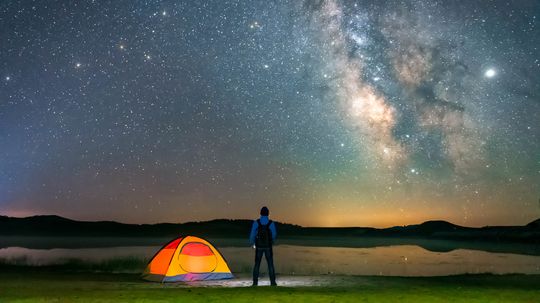
The night sky has been mapped and studied for thousands of years, with constellations serving as guides for navigation, storytelling and scientific observation. The International Astronomical Union officially recognizes 88 modern constellations, each occupying a specific section of the celestial sphere. Some date back to ancient Greek constellations, while other constellation names were introduced in the modern era.
By Mack Hayden
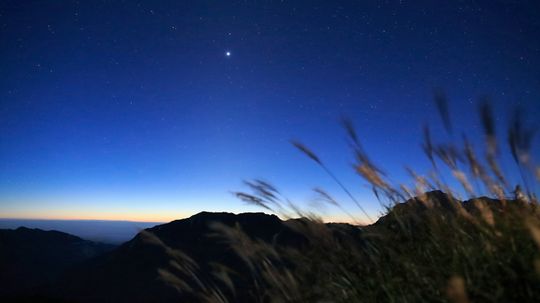
The night sky has fascinated humans for centuries, with people incorporating the countless twinkling stars into various navigation methods, cultural traditions, religious movements and more. Among these, a select few stand out to viewers here on Earth as being the biggest and brightest. But which is the brightest star in the sky?
By Marie Look
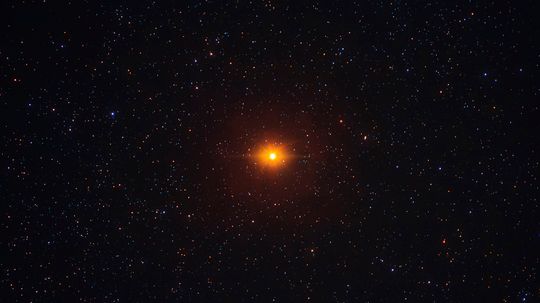
In the vast night sky, where countless stars vie for attention, one colossus reigns supreme as the largest star in the universe. Situated thousands of light-years from Earth, this celestial giant's sheer magnitude challenges our understanding of stellar physics.
Advertisement
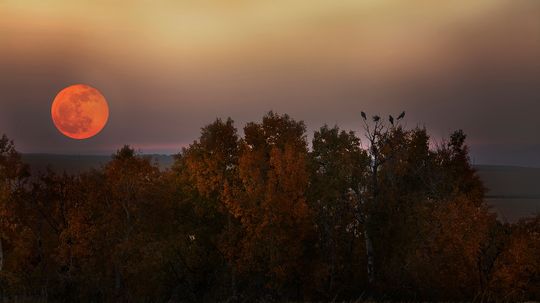
The harvest moon is the full moon closest to the autumnal equinox, typically in late September or early October in the Northern Hemisphere.
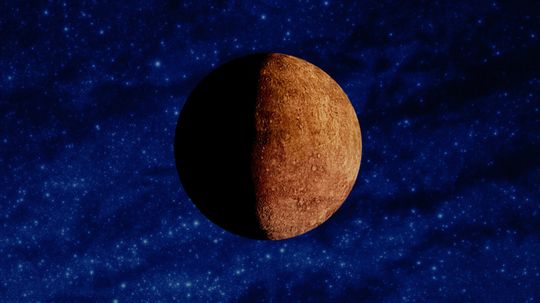
Mercury Retrograde is coming. Is your life about to turn upside down? Discover the dates you must know & how to avoid total disaster.
By HowStuffWorks
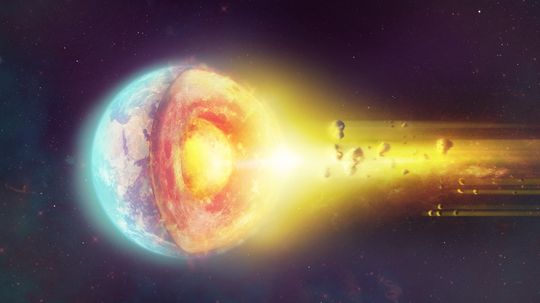
Delve into the Earth's layers: crust, mantle, outer core, and inner core. Discover the secrets beneath our feet and the dynamic processes at play.
By HowStuffWorks
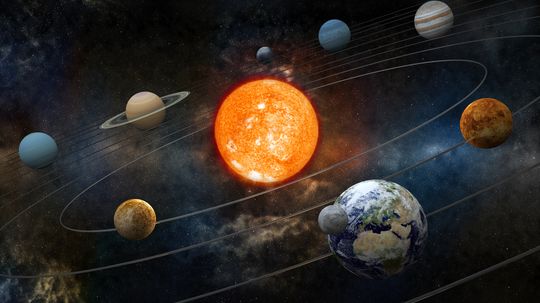
Explore the mysteries of the outer planets: Jupiter, Saturn, Uranus, and Neptune. Dive deep into their atmospheres, moons, and unique phenomena.
By HowStuffWorks
Advertisement
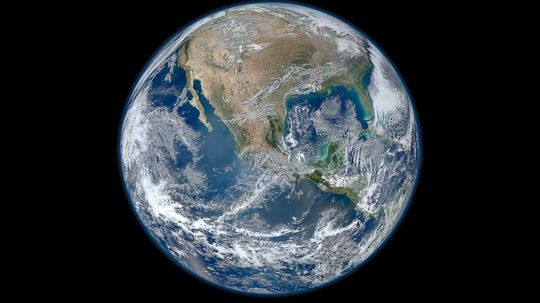
Nothing lasts forever. Does that include our home planet, too?
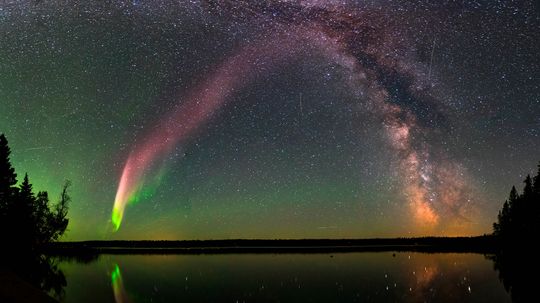
Sometimes hundreds of people armed with high-tech cameras can make amazing scientific discoveries, as in the case of STEVE.
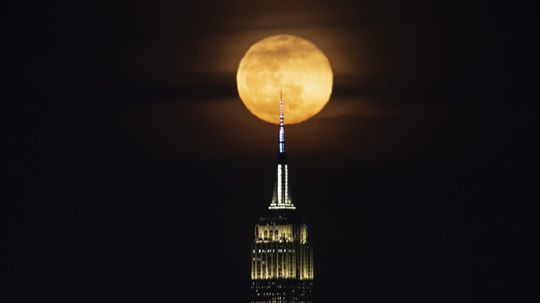
March's full moon is called the worm moon for an unusual reason. What are some other names for the March moon and when can you see it?
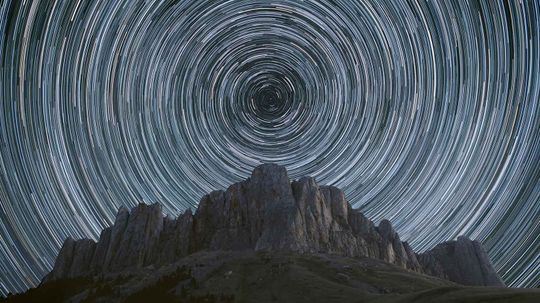
Every 24 hours, Earth makes a full rotation on its axis. But why does Earth spin in the first place?
Advertisement
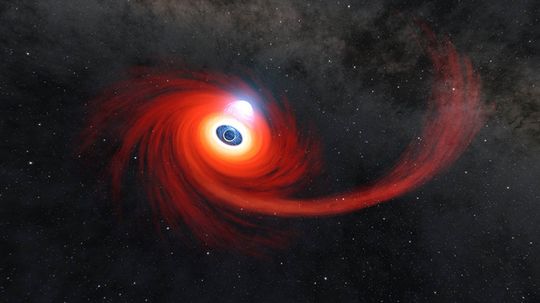
Researchers at Australian National University studied 5,000 star-eating behemoths to find out.
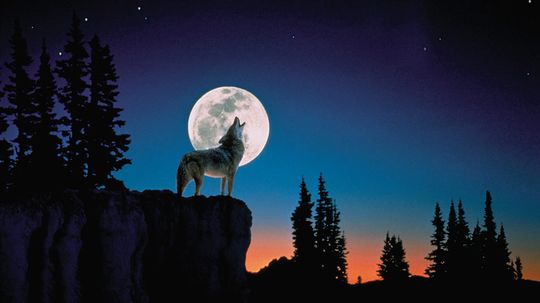
January's moon is called the wolf moon, but it's also known as the center moon and the freeze up moon (among other names). Here's why.
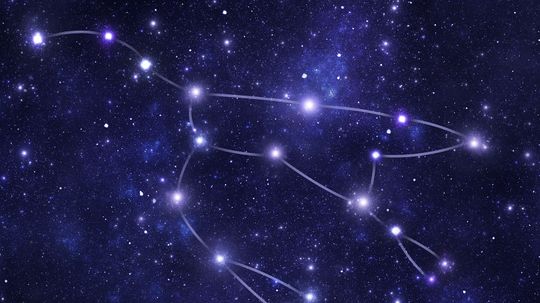
Stars are giant nuclear fusion reactors, and we wouldn't exist without them. Find out how much you know about these twinkling lights with our quiz.
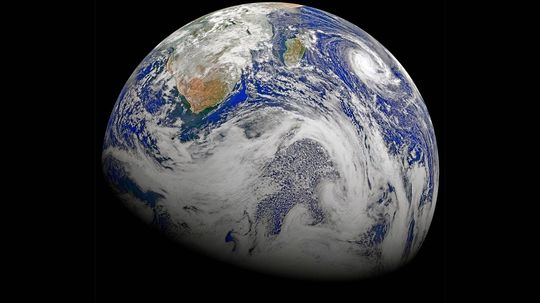
All of the planets in the solar system are named for Greek gods, except Earth. So where did the name come from?
By Mark Mancini
Advertisement
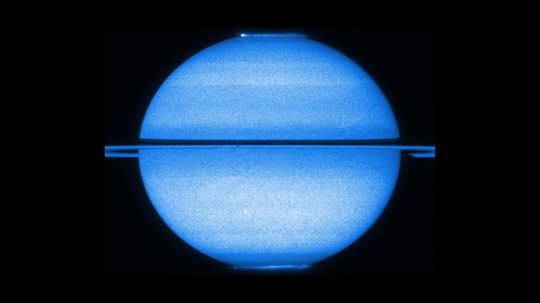
Why do planets in the solar system all seem to be round? Why not cylindrical? Or even cube-shaped?
By Mark Mancini
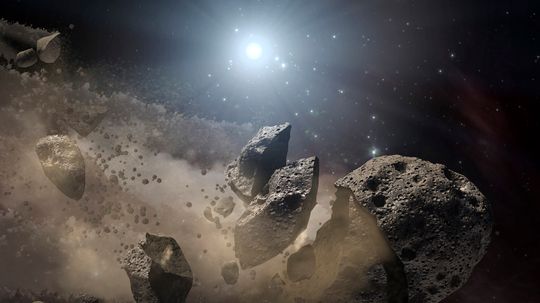
So what does that mean for good ol' Earth someday?
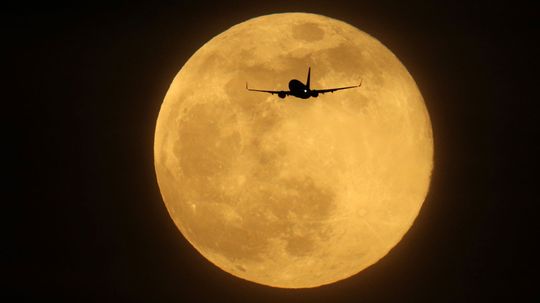
In the darkness of space, we're comforted by our moon, the circular inspirer of song lyrics, poetry, and wannabe astronauts. But what do you really know about the moon and its history? Take this quiz to find out.
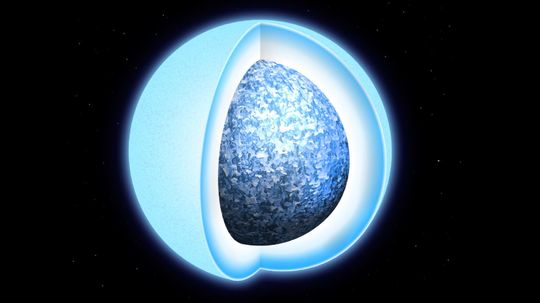
Those stars twinkling in the nighttime sky may actually be crystal spheres. And our beloved star is headed in that direction, too. Eventually.
Advertisement
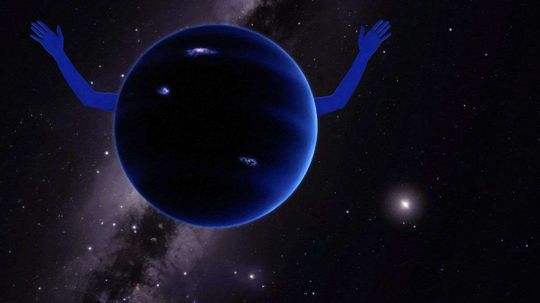
A massive planet 10 times the size of Earth seems to have been lurking on the edge of our solar system for some time now. How come we never noticed it before?
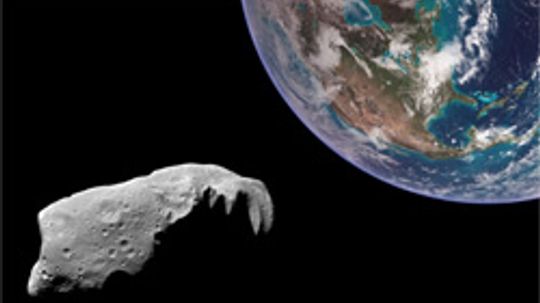
Killer asteroids are all fun and games -- until they're headed for Earth. How do we stop cosmic hot potatoes from wiping out our planet?