
Future Space
What is the future of space travel? Explore the technologies we’ll use to visit the stars in the near and not-so-near future, from space planes to robonauts.
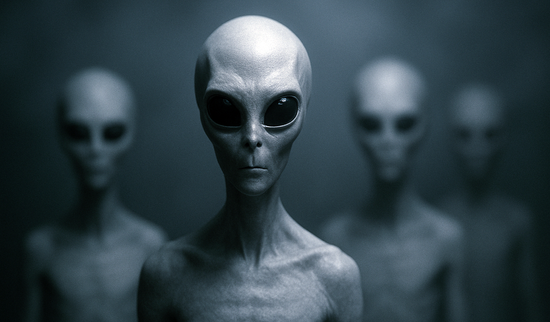
Tall Whites: The Classic Extraterrestrial Archetype
The Zoo Hypothesis: Are Aliens Watching Us Like Animals in a Zoo?
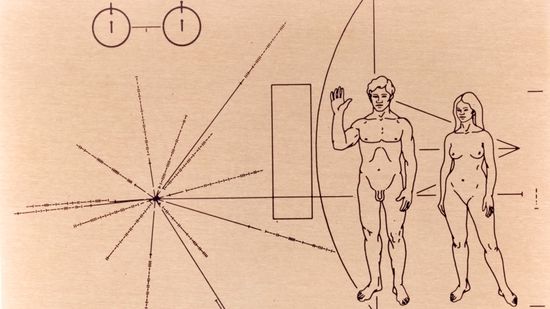
Communicating With Aliens Is Hard. Communicating With Alien AI Could Be Harder
10 Types of Stars Blazing and Collapsing in Our Universe
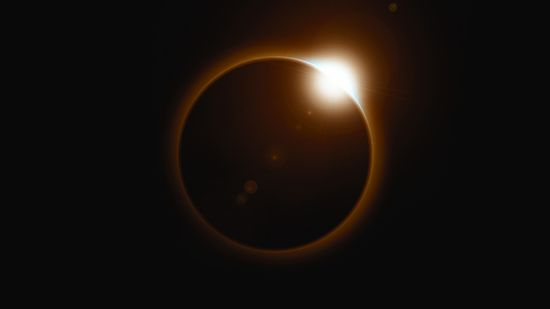
7 Types of Eclipses: Lunar, Solar and ... Hybrid?

Why a Geomagnetic Storm Makes for Pretty Skies and Tech Scares
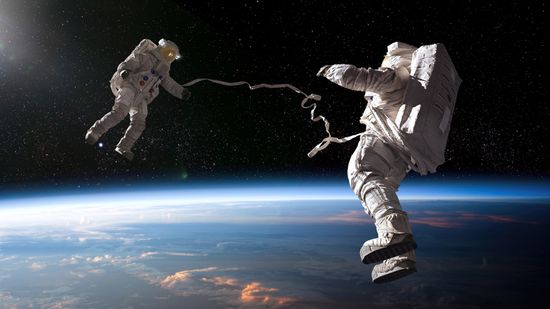
Is an Astronaut Stuck in Space a Rare Occurrence?

What Really Happened to Yuri Gagarin, the First Man in Space?
Apollo 11 One Giant Leap For Mankind
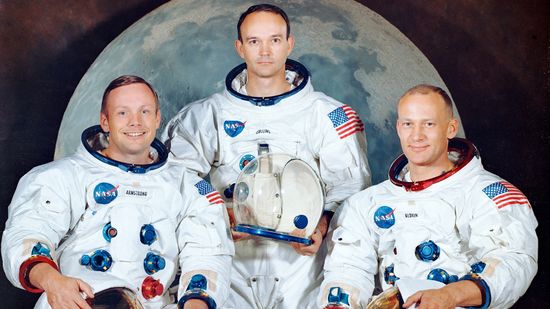
15 Famous Astronauts Who Expanded Our Universe
2023 India Moon Landing Was World's First at Lunar South Pole
Quiz: Apollo 11, the First Moon Landing
The Fastest Fictional Spaceships

10 Fictional Spacecraft We Wish Were Real
How Lunar Rovers Work
Learn More
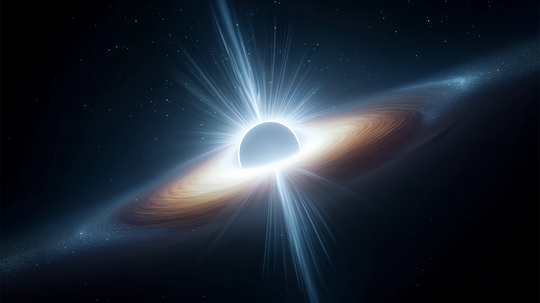
Black holes have long held the spotlight as celestial objects from which nothing, not even light, can escape. However, theoretical physicists propose a less understood but equally fascinating counterpart: the white hole.
By Marie Look
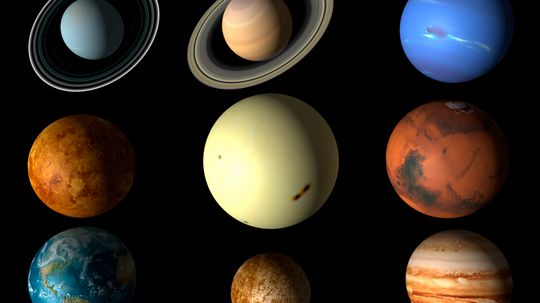
In the future, as we send space probes and manned missions to explore the solar system and possibly colonize other worlds, there's a major problem that we'll have to overcome -- keeping in touch with them.
Researchers are using the moon's gravitational pull on bodies of water to test underwater turbine electricity production. It's considered clean power, but is it completely safe?
By Josh Clark
Advertisement
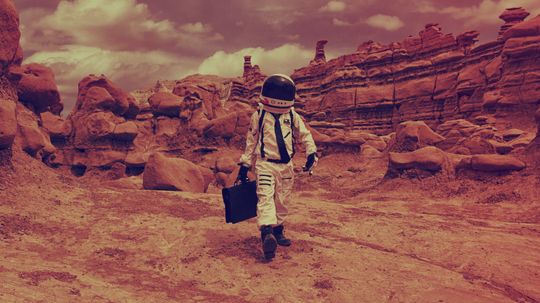
The thought of terraforming Mars is one of those ideas so outrageous that it just might work! Learn how it will work!
By Kevin Bonsor
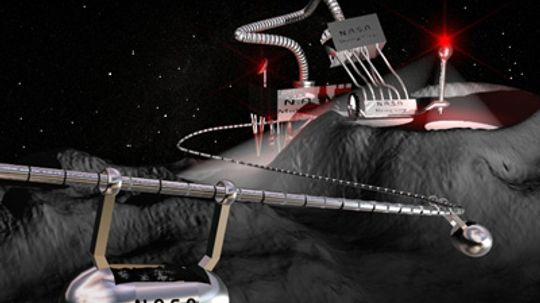
Asteroid mines could become an incredible source of building supplies for a colony on the moon. Learn how they will work!
By Kevin Bonsor
Antimatter has the ability to store incredible amounts of energy in a very small space. See how it will work.
By Kevin Bonsor & Yara Simón
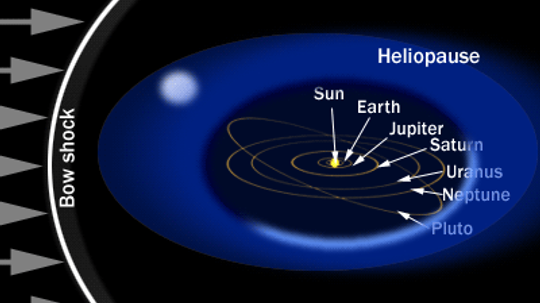
Get a sneak peek (even before NASA scientists) at a new type of spacecraft that could be jolted through space by electromagnets.
By Kevin Bonsor
Advertisement
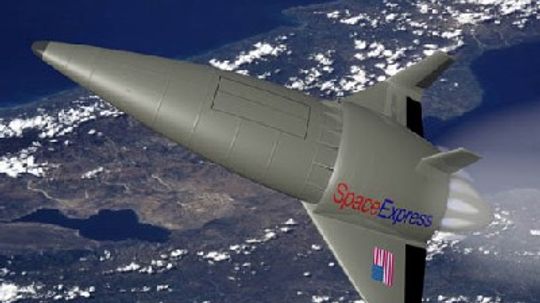
Air-breathing rockets have the potential to dramatically lower launch costs and may make space lots more accessible to normal people. See how it will work!
By Kevin Bonsor
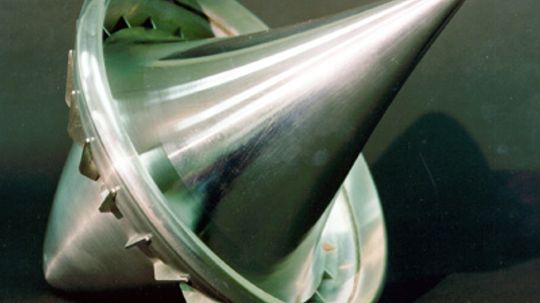
Like many new technologies, light propulsion was originally conceived as a tool of war and national defense. But the "Star Wars" missile defense system may eventually send rockets, rather than missile-destroying lasers, into space.
By Kevin Bonsor
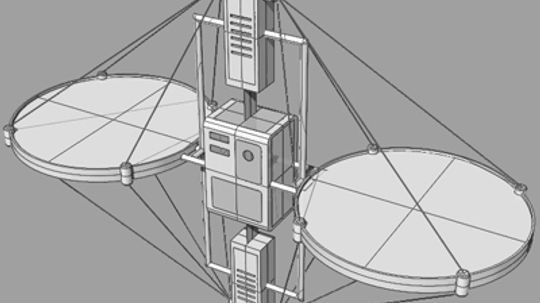
A space shuttle launch is expensive -- about $10,000 per pound. The LiftPort Group is developing a new system that could cut the cost down to about $400 per pound. Find out how a space elevator might be your ticket into orbit.
By Kevin Bonsor
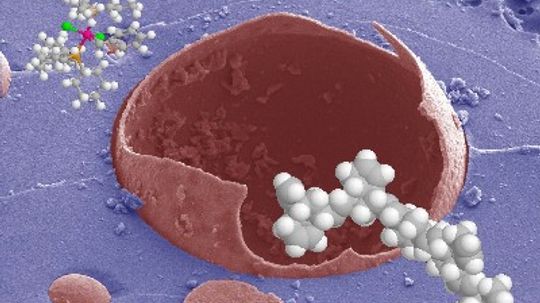
Scientists are now developing a new type of composite material that will allow spacecraft to repair themselves. Learn more about this amazing future technology.
By Kevin Bonsor
Advertisement
Imagine parallel parking on slippery ice during a dangerous dust storm. Landing on Mars presents similar obstacles, on a grander scale. And remember, insurance doesn't cover extraterrestrial damage.
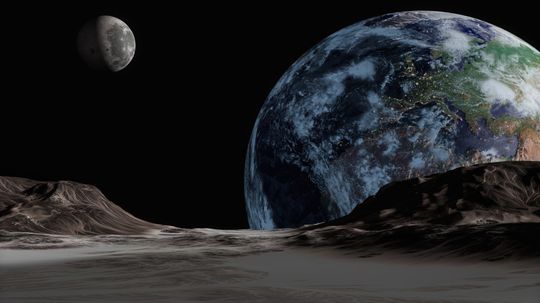
It's safe to assume there won't be a moon colony any time soon. But it's still a tantalizing thought. But wouldn't it be cool to be able to live, vacation and work on the moon?
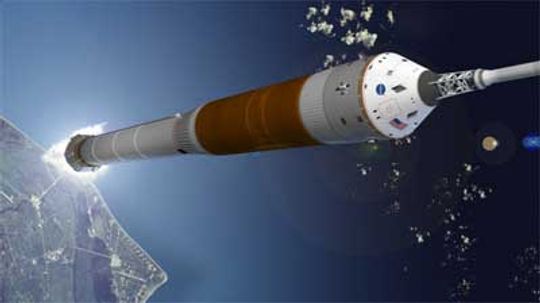
NASA needs a vehicle capable of carrying crew and payloads to Earth orbit, the moon and Mars. Learn about the technologies of the new Crew Exploration Vehicle and find out how it will help us explore the moon and beyond.
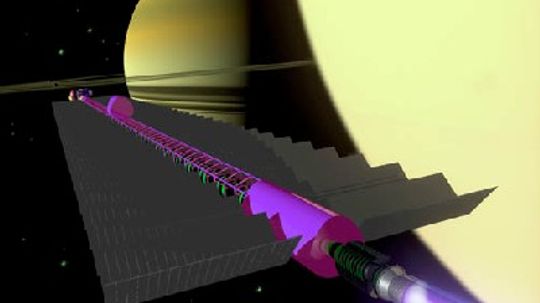
Using current rocket engine technology, a trip to Mars takes seven months. Fusion propulsion would cut that trip in half. Find out what fusion is and how it could speed up space travel.
By Kevin Bonsor
Advertisement
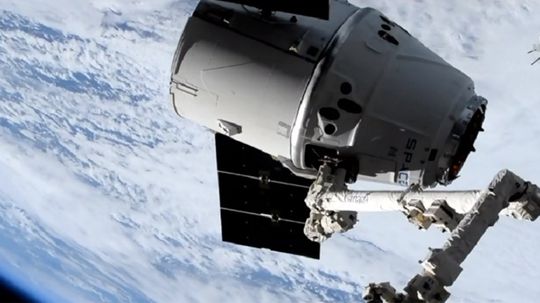
We've been cruising to and from the International Space Station since 2000. Isn't it about time we started moving on to other space destinations and establishing human outposts?
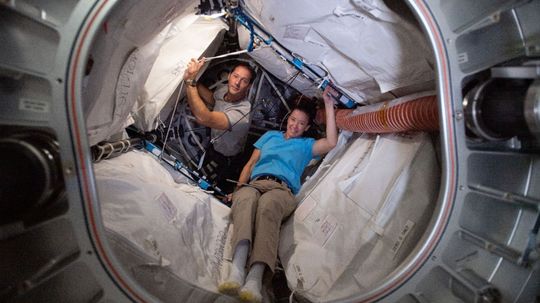
Amazon CEO Jeff Bezos and his brother plan to blast into space next month. But even if you're not related to a billionaire, you can still experience the fun of space at a 'down-to-Earth' price.
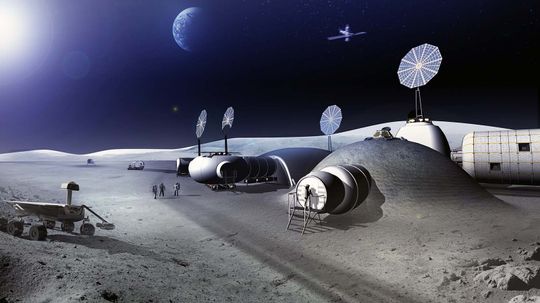
If our living space is to become outer space, we have a lot of challenges to address. And our first line of defense will be space architects.
By John Donovan

University of Florida scientists used lunar soil collected during Apollo 11, 12 and 17 missions to successfully grow plants from seed. It's a first in human history and could help future space colonists grow food on the moon.
Advertisement
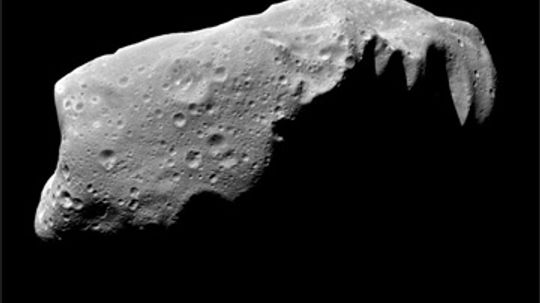
Surely nuclear weapons, which can obliterate entire cities, contain enough destructive power to blow a giant space rock to bits, right? What does NASA make of the whole explosive business?
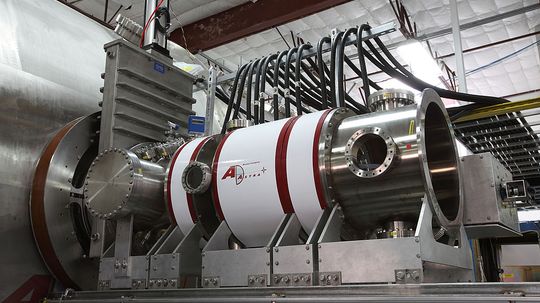
Imagine if we could get to Mars in 40 days instead of seven months! It could happen if we used plasma rockets, which travel at 34 miles per second. But how do we make this a reality?
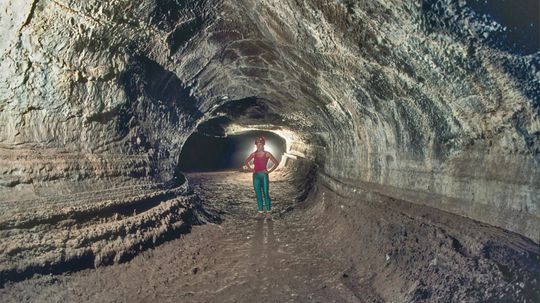
By studying these geological formations here on Earth, we may be able to learn how to live on other planets.
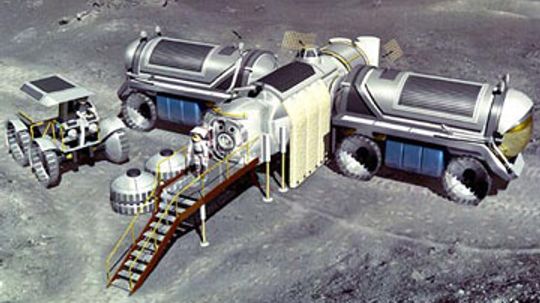
Whether we head there to mine some helium-3 or take the first steps in expanding humanity's reach into the solar system, we want to go to the moon -- permanently. When's that going to happen?
By Robert Lamb