
Matter
Everything in the universe is comprised of matter. Check out these articles for a better understanding of matter and how it affects you.

Brown Noise vs. White Noise: Which Is Best for Quality Sleep?

Can a sound wave kill you?

Can two cans and a string really be used to talk over a distance?

7 Types of Alcohol for Drinking, Cleaning and More

Understanding the Empirical Formula in Chemistry
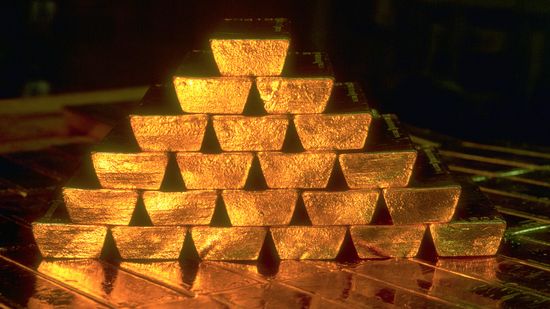
The Most Expensive Metal in the World Isn't Gold or Platinum

How Electricity Works
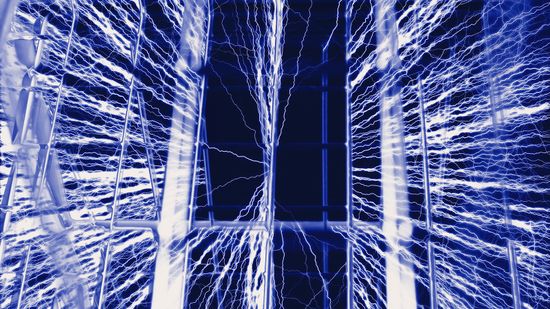
How Faraday Cages Work

How Gasoline Works

What Does Mummification Have to Do With Gene Hackman?

What do bugs have to do with forensic science?

5 Things You Didn't Know About Autopsies

How Alchemy Paved the Way for Chemistry
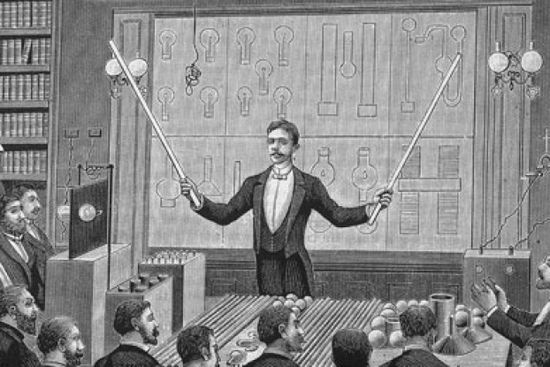
How did Nikola Tesla change the way we use energy?
Time May Not Exist, Say Some Physicists and Philosophers

Why Does Ice Stick to Your Fingers?
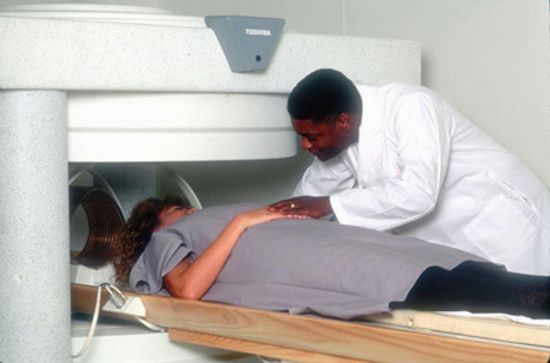
What if I forgot to remove a piercing before an MRI?
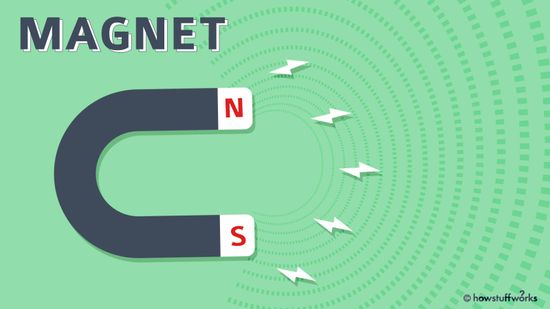
A Kid-friendly Introduction to Magnets and Magnetism

What's the Hardest Math Problem in the World? Try These 9

8 Types of Data That Inform Insights and Relationships
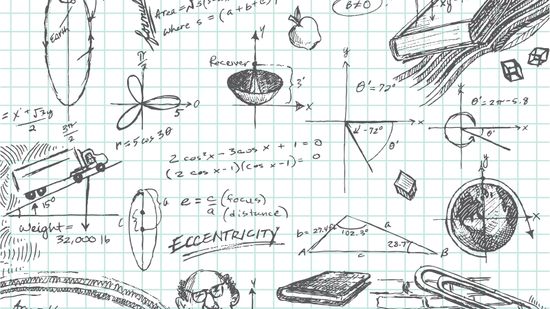
Congruent Angles: Definition, Symbol and Key Theorems

The Demon Core: A Tale of Atomic Ambition and Tragic Fate

Half-Life Formula: Components and Applications
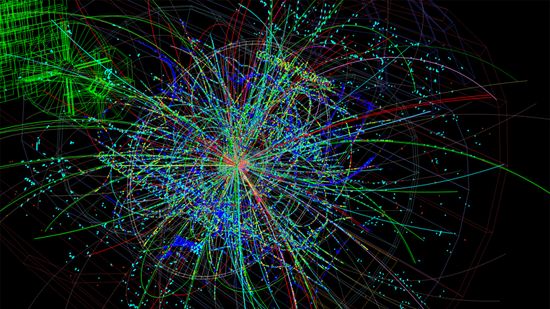
Could an 'X17 Particle' Hint at a Fifth Force in the Universe?

Why Are School Buses Yellow?

HowStuffWorks: How To Draw An Impossible Shape
What Are the Colors in the Visible Spectrum?
Learn More

If you’ve ever priced out cargo or read about a ship carrying coal, grain or bricks, you’ve seen tonnes vs. tons. These two words look similar yet refer to different systems and units. In international trade and technical writing, that small spelling shift changes real-world numbers.

From lifesaving medical components to everyday essentials, the most expensive liquid on Earth isn’t always what you'd expect. These liquids are priced by rarity, production difficulty, and real-world value — and some cost far more per liter than gold.
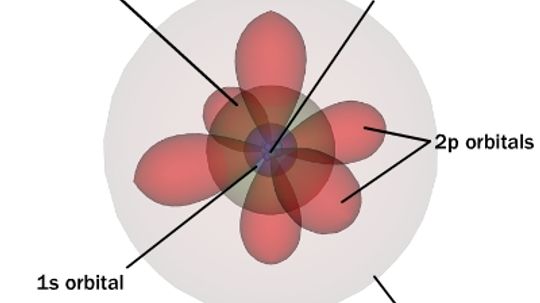
What exactly is an atom? What is it made of? What does it look like? The pursuit of the structure of the atom has married many areas of chemistry and physics in perhaps one of the greatest contributions of modern science!
Advertisement
Wavelengths are used to measure the size of a wave. Learn about wavelengths in this article.

How effective is fighting a wildfire with controlled fire?
By Oisin Curran

Atoms: the building blocks of life and the universe. We're all made of these microscopic bits of matter, but how many does it take to make a complete human being? And exactly what kinds of atoms do we have inside us?
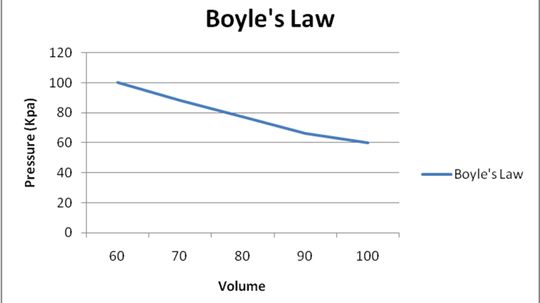
Boyle's Law describes the relationship between pressure and the volume of a container with gas in it. As the volume of the container decreases, the pressure inside the container increases.
Advertisement
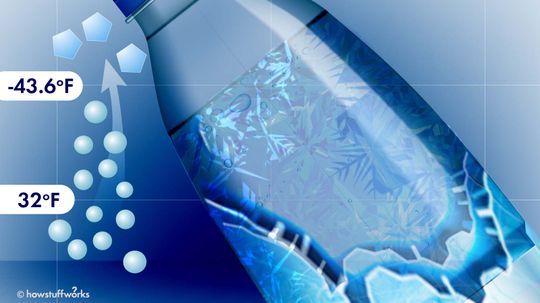
It isn't magic but instead science that causes the bottled water to completely freeze - and some pretty simple science at that. So, how long does it take water to freeze?
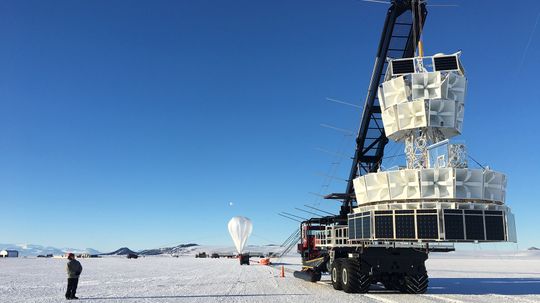
Something very strange is afoot above the frozen landscape of Antarctica.
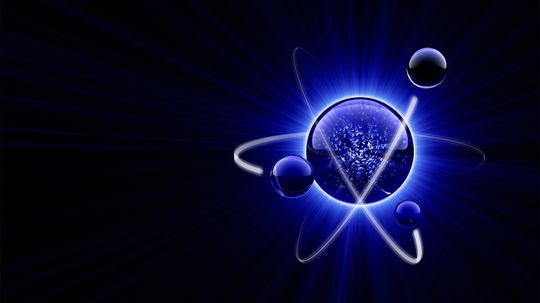
Protons and neutrons, the particles that form the nuclei of atoms, are themselves made up of even smaller particles known as quarks.

Weight is the measurement of gravity's pull on an object. And it varies by location. Mass is a different beast altogether.
By Mark Mancini
Advertisement

Entropy is the disorder of a system, but that means a lot more than making a mess of a room.

A research team has found that water acts strangely on an air-drying towel, which contributes to its signature stiffness.
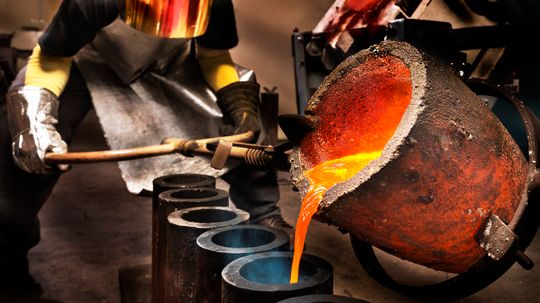
Metallurgy involves studying how metals behave and using that understanding to manipulate and shape them into various forms.

It looks completely impossible that this rock should stand, balanced as it is, but it has not moved since the last ice age.