
Evolution
These articles explore evolution - the changes seen in the inherited traits of a population from one generation to the next. Evolution is one of the great mysteries of biology, since it is a slow process and difficult to study.
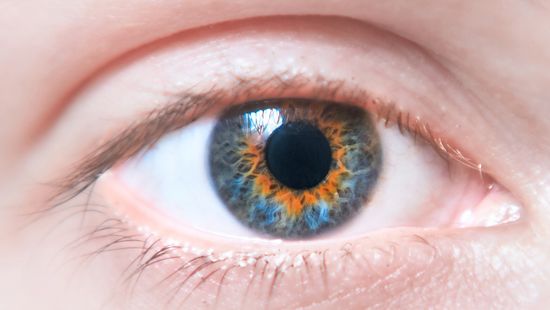
Central Heterochromia: When to Worry About Eye Color
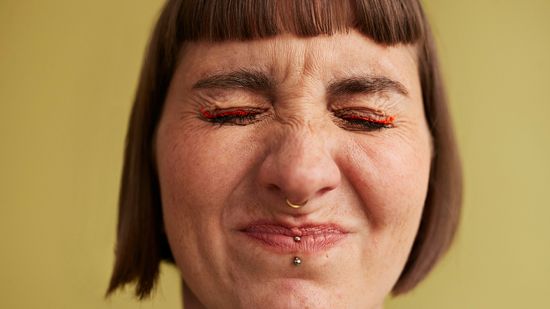
10 Types of Noses to Spot in a Crowd
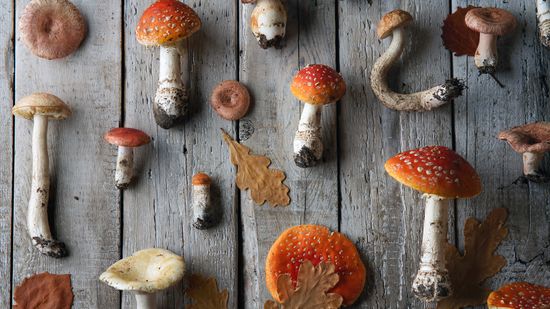
3 Major Types of Mushrooms: Edible, Wild and Poisonous
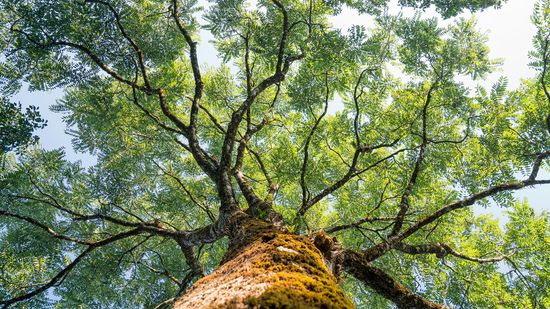
3 Types of Trees You'll Find All Over the Planet
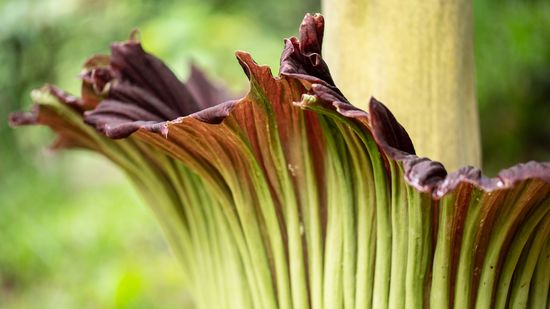
A Corpse Flower Can Grow Over 12 Feet (3.7 Meters) Tall
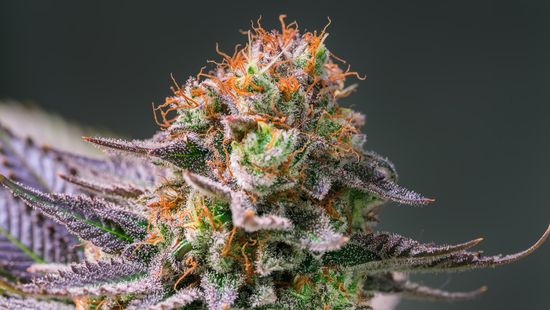
Indica vs. Sativa: How to Distinguish Between Cannabis Plants
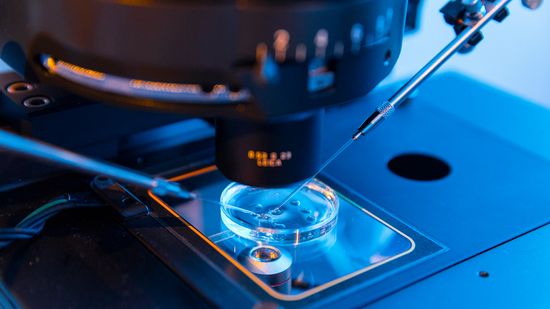
In Vivo vs. In Vitro Trials (and Why Combining Both Is Best)

Hypertonic vs. Hypotonic Solutions: Differences and Uses

Your Phone Is a Germ Factory, So Stop Taking It to the Toilet
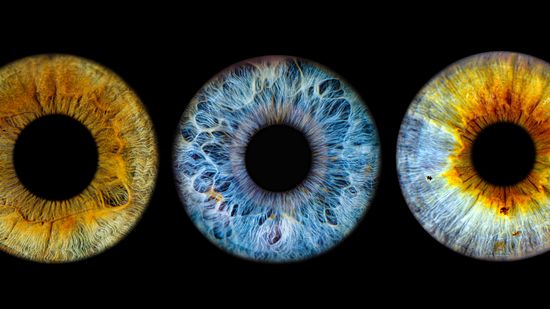
Eye Color: Percentage of the World Population With Each Shade
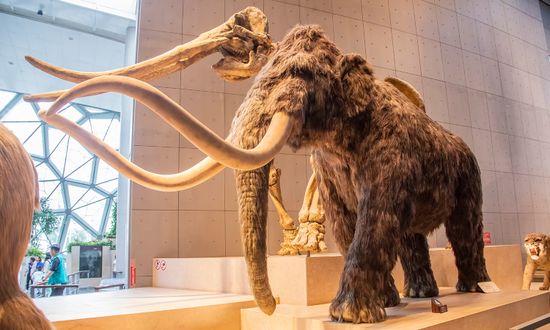
Is a Woolly Mammoth Clone Even Possible?
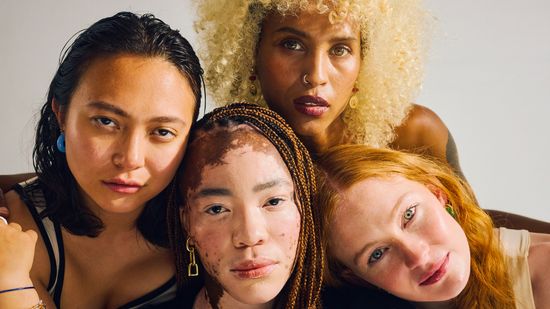
The Most Common Hair Color Isn't Blonde
9 Types of Intelligence: The Many Ways to Expand Your Mind
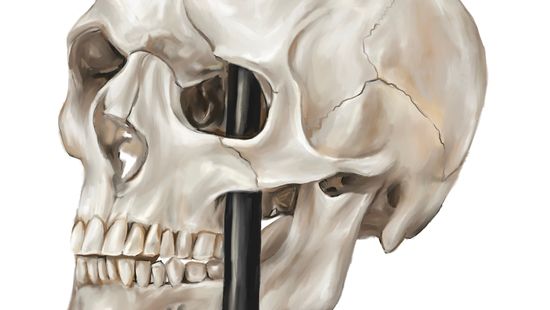
Phineas Gage and the Birth of Modern Neuroscience
Call of the Void: A Counterintuitive Form of Self-preservation
Learn More
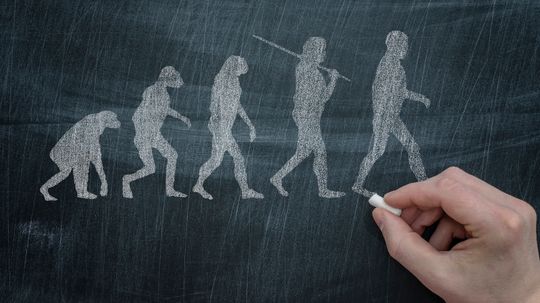
Neanderthals (Homo neanderthalensis) and humans (Homo sapiens) are two distinct species within the genus Homo. Neanderthals lived in Eurasia until about 40,000 years ago, alongside ancient humans.
By Ada Tseng
Author Annalee Newitz (Gawker Media's Gizmodo editor-in-chief) talks to us about Earth's 5 mass extinctions, as well as the possibility that we live in one right now.
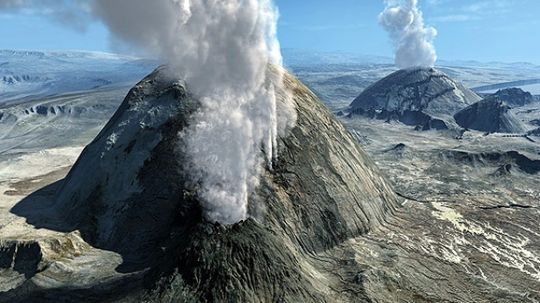
When peering thousands of years into the future, there are certain things we can count on -- evolution, extinction, plate tectonics, climate change and, quite possibly, the eruption of a supervolcano. What else does the Earth's far future hold?
Advertisement
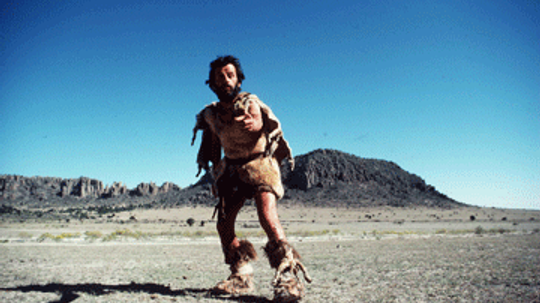
Let's assume that long ago Homo sapiens communicated by grunting at one another. How and when did all those grunting sounds evolve into a verb tenses, clauses and proper nouns?
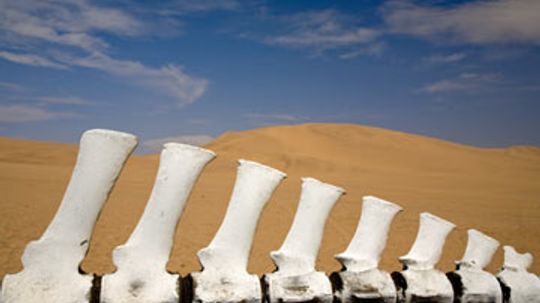
Imagine a time in Earth's far-flung past when organisms didn't swim through the oceans or populate the lands. Even the mighty dinosaurs hadn't arisen. Will the planet ever return to that lifeless state?
By Robert Lamb

When a basketball superstar makes a 3-pointer, the multimillion-dollar paychecks go into his or her bank account. But why don't his or her parents get the glory? After all, didn't they provide the DNA that allowed for such incredible success?

We don't admit to breaking up with someone because of his looks, or that we've read our boss's private e-mails. We answer "fine" when someone asks how we are, even if we're not fine at all. Why is polite society all about the big fib?
Advertisement
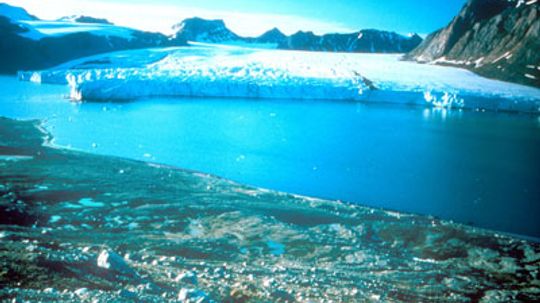
A mass extinction on Earth is long overdue, according to population ecologists. Find out what Earth's fossil record may be telling us about our future.
By Josh Clark
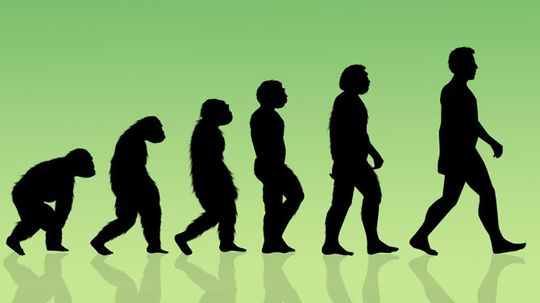
Evolution is fascinating because it attempts to answer one of the most basic human questions: Where did life, and human beings, come from? The theory of evolution proposes that life and humans arose through a natural process.
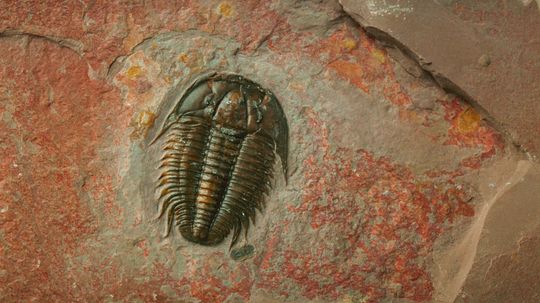
We can see dinosaur and plant fossils at just about any natural museum. What exactly are fossils, though, and how do they form?

Have you ever done something for someone else just because it was a nice thing to do? Do people perform unselfish acts because it feels good or is it just something society wants us to do?
By Josh Clark
Advertisement
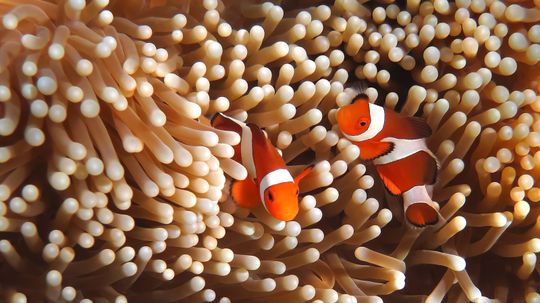
Symbiosis is crucial to the survival of many species. In fact, you're a symbiote yourself.
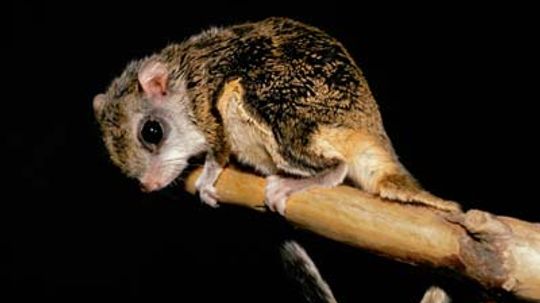
When Australia became separated from the other continents, its species evolved in isolation. And yet, some of the Australian animals evolved in exactly the same way as the other animals in the world. How?

If wisdom teeth are so wise, why do they keep sprouting in the gums of people who don't need them anymore? Should a lack of wisdom teeth give you bragging rights as a highly evolved human?
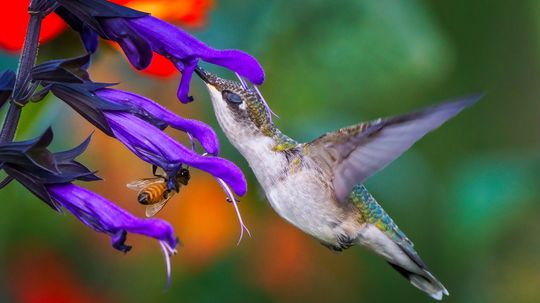
Natural selection is the idea that organisms that are best suited to survive pass their traits down. Is it true that only the strong survive?
Advertisement
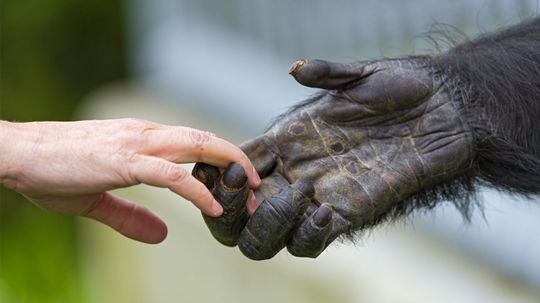
A gulf of difference may separate our human world of empires, science and spirituality from the animal wilds of the other great apes. But the genetic differences are pretty meager.
By Robert Lamb & Desiree Bowie
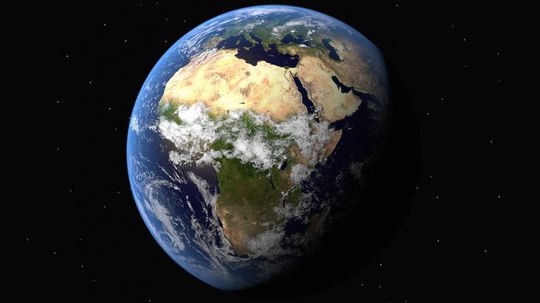
Everything has to start somewhere, including us humans. But where? Was it Africa, or were there multiple ground zeros for humanity's explosive growth and eventual world domination?
By Robert Lamb
The Galapagos Islands may have played a grand role in Darwin's theory of evolution, but they're notable for more than their finches. What strange species populate these remote islands?
If you swim like a fish or run like a cheetah, you may understand biomimicry better than you realize. The practice involves imitating models in nature to improve technology and design.
By Robert Lamb
Advertisement
Have you ever seen a baby with a tail? How about a whale with legs? Believe it or not, these things happen. They're called atavisms, and they might help us figure out evolution.
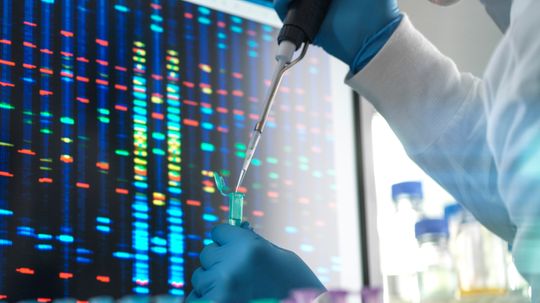
According to DNA research, we may all have a common ancestor, an African woman who lived thousands of years ago. How did scientists reach this conclusion? Is it even possible?
By Josh Clark & Desiree Bowie
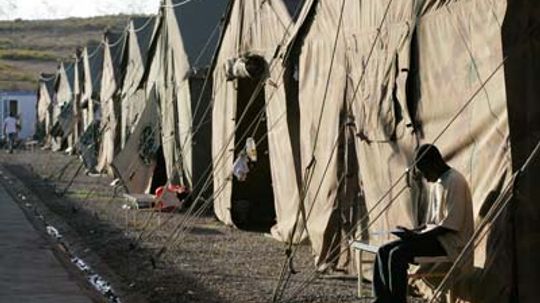
Where did humanity begin, and how did we get to where we are now? Did we really all begin in Africa? What made us leave?
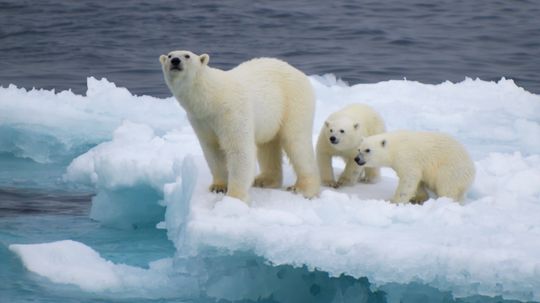
Polar bears evolved to blend in with the terrain so they could hunt better. What causes one group of animals to split off from the rest of the species and develop new genetic traits?
By Josh Clark
Advertisement
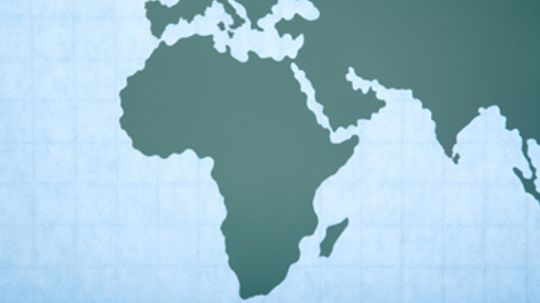
Where did humans come from? How did they migrate throughout the globe? Thanks to a longstanding anthropological concept and an unexpected discovery, conventional wisdom on human migration may be irrevocably shattered.
By Josh Clark
How did life on Earth begin? Theories abound, but one popular one posits that it started spontaneously from primordial ooze on our planet, while another holds that it literally came from outer space. Who's right?
By Josh Clark