
Edible Innovations
From the deceptive simplicity of bread to the fascinating world of molecular gastronomy, learn all about the food you eat with these articles about edible innovations.
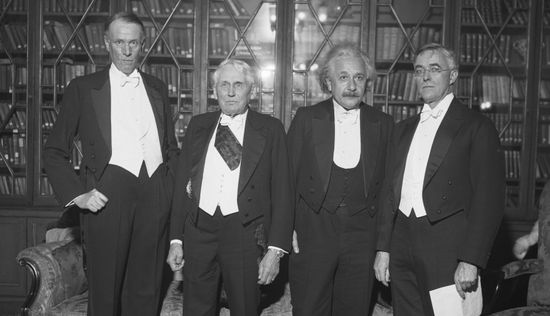
10 Nobel Laureates Whose Work Changed the World
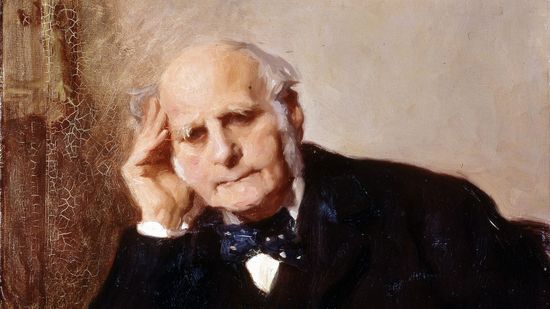
Eugenics Overshadows the Legacy of Scientific Genius Francis Galton

Jane Goodall: A Global Face for Global Peace

Who Invented the Toilet? A Brief History of the Flush

HowStuffWorks: How Porta Potties Work
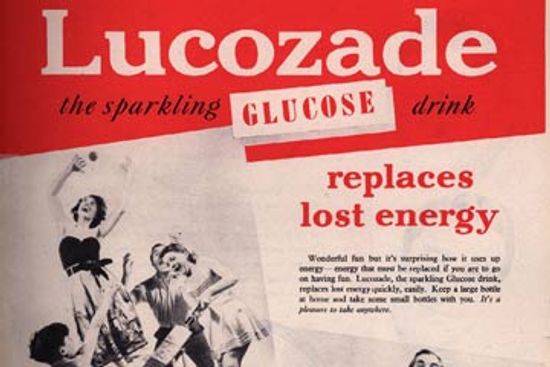
Who invented sports drinks?

Meet the Man Who Invented Cool Whip, Tang and Pop Rocks
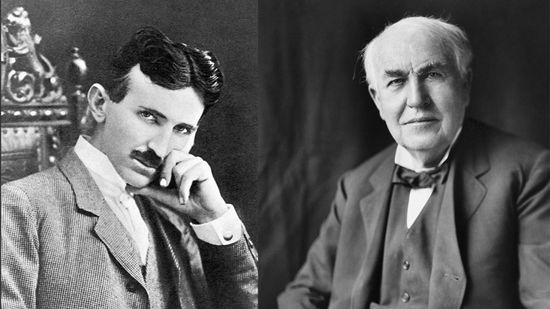
Thomas Edison vs. Nikola Tesla Quiz
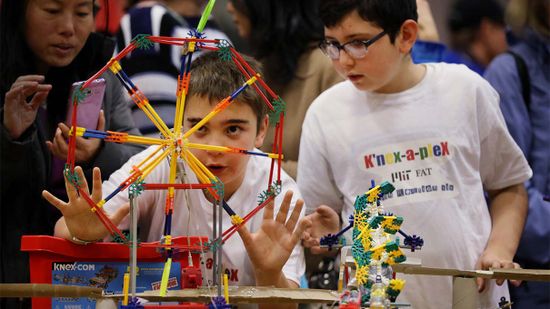
Rube Goldberg: The Man Behind the Ingenious Contraptions

The Evolution of Dictaphones: A Comprehensive History
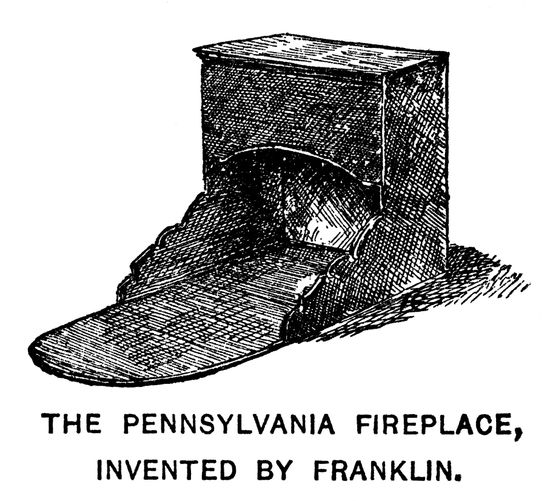
The Evolution of the Franklin Stove: From Invention to Modern Efficiency
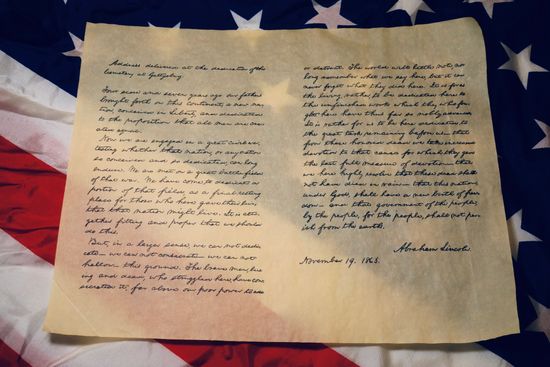
The Fascinating History of the Mimeograph Machine

5 Green NASA Inventions
5 Types of NASA Technology in Your Attic

How Has NASA Improved Solar Energy?

How hard is the patent application process?

How to File a Patent
Turning Air Pollution Into Ink

10 New Uses for Old Inventions

How Do QR Codes Work? 2D Barcodes Explained
How can a bar code save your life?
Is it possible to fix a blown fuse with a chewing gum wrapper?
How do scratch-and-sniff stickers work?

10 Oddball Questions Scientists Have Genuinely Tried to Answer
Why does a balloon stick to hair?
Why Do We Experiment on Mice?
10 Black Scientists You Should Know
Learn More / Page 2
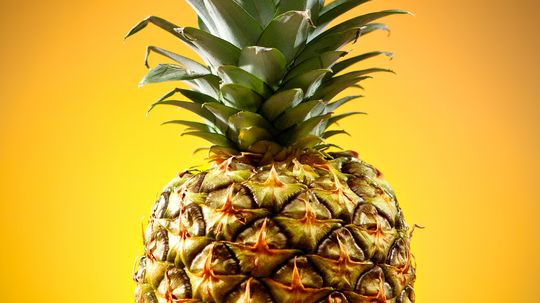
Some cooks like to pound their steak with a mallet. Other adventurous souls have tenderized meat with explosives. Why does a pineapple work just as well?
By Tom Scheve
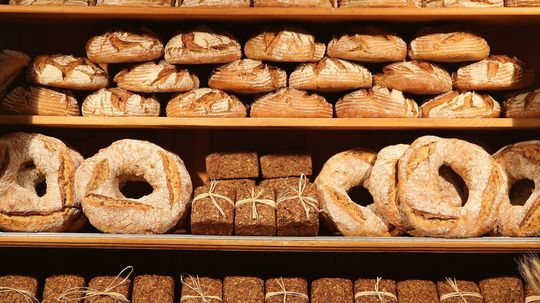
Crunchy crust, soft, spongy middle -- there's something about fresh-baked bread. Have you ever thought about bread as a technology? Learn about the biochemical reactions that make bread taste so good!
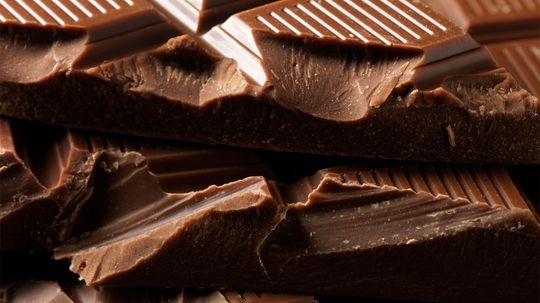
Who doesn't love a smooth, creamy bar of chocolate? The process to make one is pretty tricky, but sooo worth it.
By Shanna Freeman & Alia Hoyt
Advertisement
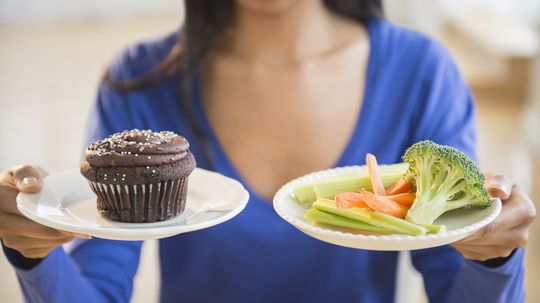
Tired of hearing about things like monounsaturated fats, partially hydrogenated oils and trans fatty acids and not knowing a thing about any of them? Find out what you need to know here.
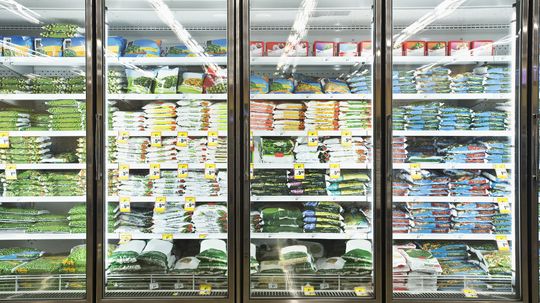
Because sustenance ensures our survival, food preservation is one of the oldest technologies developed by human beings. Find out what's being done to your food to make it last longer.
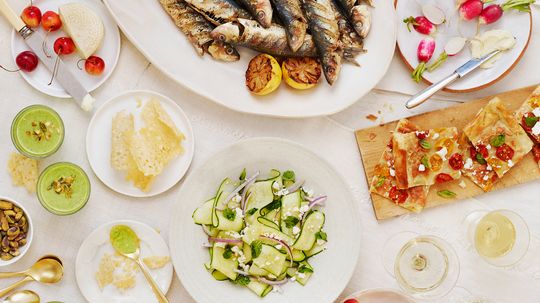
Ever wonder what, exactly, you are putting in your body when you eat? Would you like to know the real difference between a "fat" and a "carb"? Learn all about food and how your body uses it!
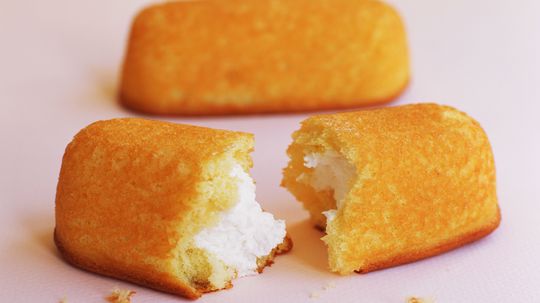
In an age of health-conscious consumers, low-carb diets and bottled water, one snack has stood the test of time. Twinkies are an icon of junk-food snacks and guilty pleasures, nutritionally worthless yet irresistibly yummy.
Advertisement
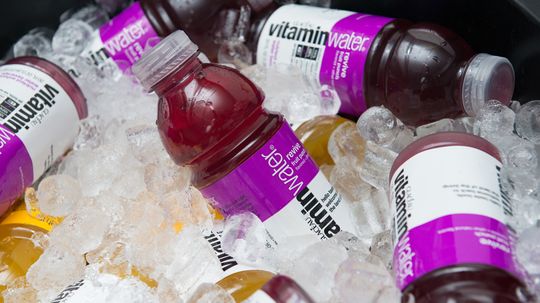
Water and vitamins help keep us alive and healthy. So if you put the vitamins in the water, wouldn't you be even healthier? Check out Glaceau's Vitaminwater and see if it really does what it claims to do.
By John Fuller
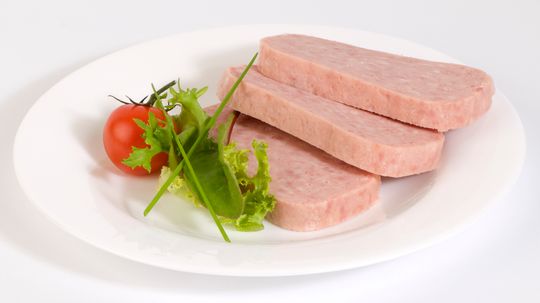
Spam has been inspiring obsession and revulsion since the Great Depression. What exactly makes people so passionate about it?
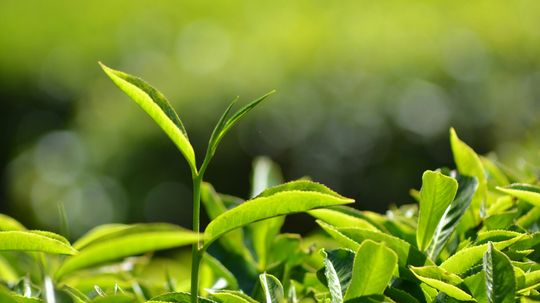
Tea, the second-most consumed beverage in the world, has its own culture and customs. Learn more about different kinds of tea and how the process of preparing tea works.
By John Fuller
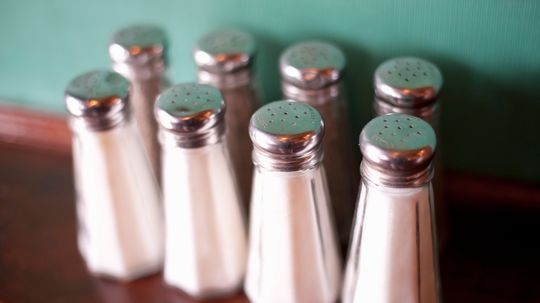
Not only do we need to consume salt, we also need it for a variety of nonfood uses. But if it's so important, why do health organizations recommend that we closely watch our intake? Apparently, there can be too much of a good thing. Learn what happens when we overload on salt or get too little of it.
Advertisement
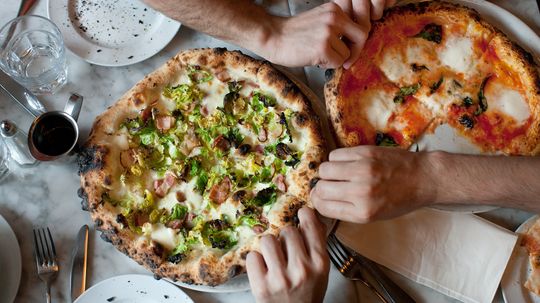
People have strong opinions about pizza -- in terms of passion, it ranks right up there with politics and religion. How did this Italian peasant food become a diet staple?
By Alia Hoyt
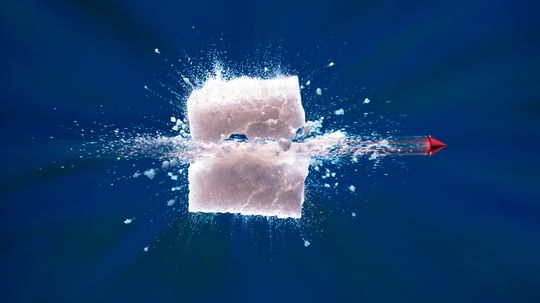
A February 2008 blast at a sugar refining plant near Savannah, Ga., killed at least six people. Investigators believe the accident occurred when sugar dust exploded.
By Josh Clark
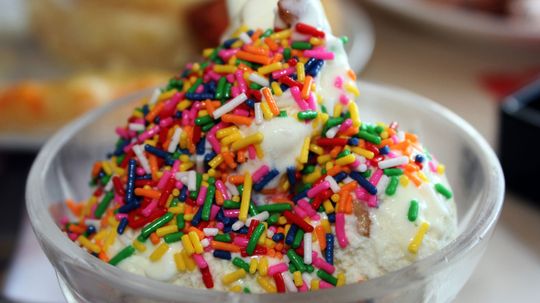
Although it's fairly easy to make at home or pick up at your local grocery store, ice cream is actually a very complex substance. Learn what goes into ice cream, how it's made and who invented it.
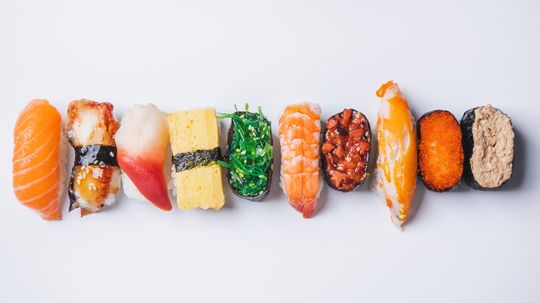
Sushi is much more than raw fish. Learn about types of sushi, where it came from, how to make it at home and what it's like to visit a sushi bar.
Advertisement
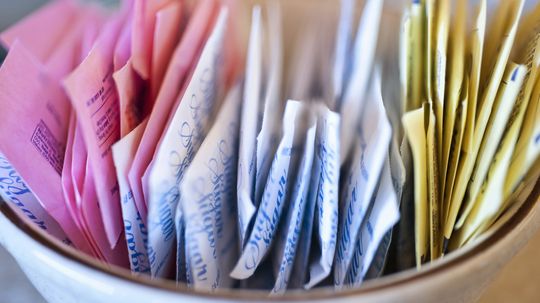
Many dieters use artificial sweeteners as a way to cut sugar without eliminating all things sweet. But did you know that some artificial sweeteners have almost as many calories as sugar? Find out how artificial sweeteners work.
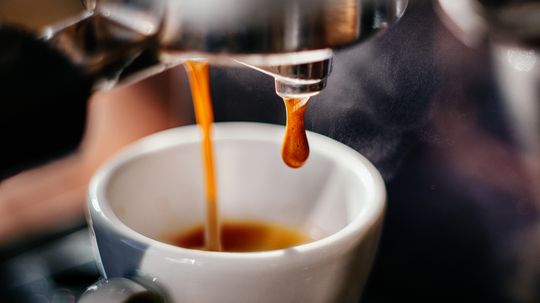
It's a great pick-me-up in the morning and a perfect finish to a good meal. Ever think about trying to make this stuff at home? Find out what espresso actually is and how to make a perfect shot every time.

Energy drinks are everywhere, but how exactly are they supposed to give you energy? What's really in them, and are they safe? Find out.
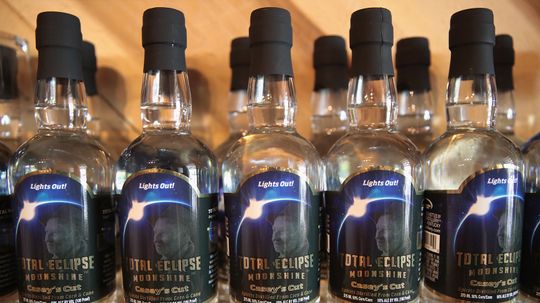
Moonshining has evolved from backwood stills in the South. In fact, it's downright trendy in some bars. But, why is homebrewing and winemaking legal, but not distilling your own moonshine?
Advertisement

Cotton candy is a fluffy mass of sugary delight and a popular carnival treat that's been exciting children for more than a century. But how does cotton candy get its fine, downy texture?
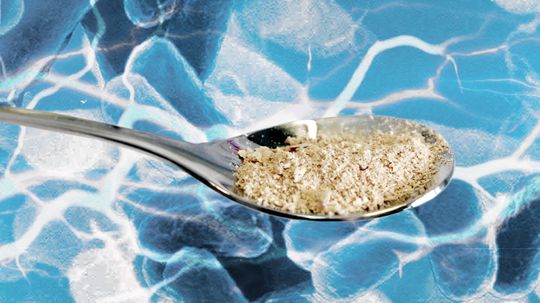
It's almost like making food out of air.
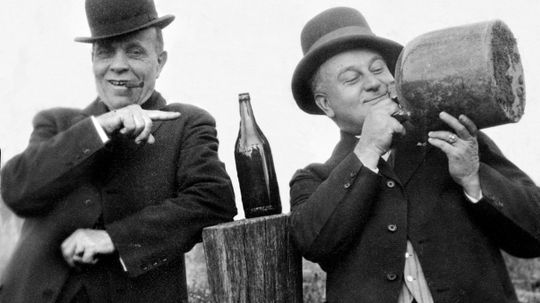
After the success of craft breweries, it was perhaps inevitable that moonshine would get its own day in the sun. But while you can make both beer and whiskey at home, there are some major differences between them - starting with legality.
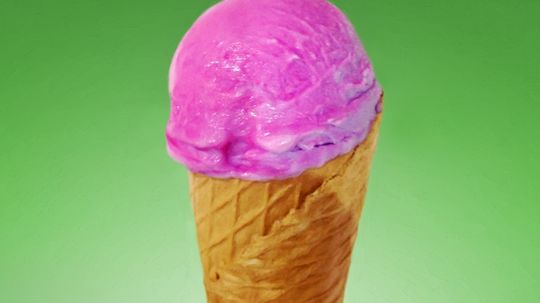
Sure, novelty foods can seem gimmicky sometimes, but color-changing ice cream is a treat that's fun for your taste buds and your eyes. Learn the chemistry behind the confection - it's sweeter than you think.
Advertisement
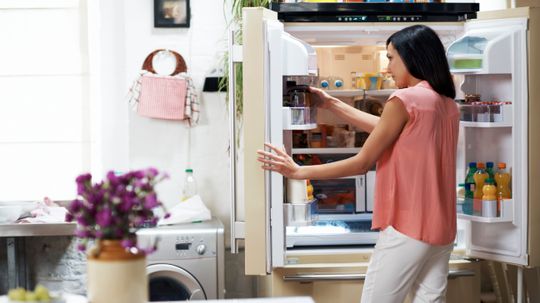
Surprisingly, the date stamped on your unopened can of tuna doesn't really have much to do with how safe it is to eat. So what does it mean, and how can you decide whether to eat it or chuck it?
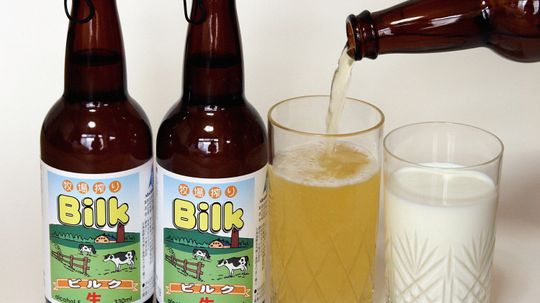
Beer is quickly becoming a trendy mixer for more adventurous cocktail drinkers. However, this acidic ingredient doesn't always play well with others. Why can't beer and milk just get along?